
Call: 08045802973
 Send Inquiry
 Send Inquiry
Sodium sulphite
Sodium sulphite Specification
- Molecular Weight
- 126.04 g/mol
- Smell
- Odorless
- Taste
- Salty
- HS Code
- 283210
- Storage
- Store in a cool dry well-ventilated area away from heat and moisture
- Physical Form
- Crystalline powder
- CAS No
- 7757-83-7
- Structural Formula
- Na2SO3
- Shelf Life
- Typically 24 months under proper storage conditions
- Purity
- 98%
- Properties
- Reducing agent water-soluble stable under normal conditions
- Density
- 2.63 Gram per cubic centimeter(g/cm3)
- Solubility
- Soluble in water insoluble in alcohol
- Ph Level
- 9-10 (5% aqueous solution)
- Grade
- Industrial grade food grade
- Molecular Formula
- Na2SO3
- Appearance
- White crystalline powder
- Application
- Food additive photographic developing industrial processes water treatment
- Ingredients
- Sodium sulfur and oxygen compounds
- Poisonous
- NO
- Shape
- Crystalline grains or powder
- Melting Point
- Decomposes before melting
- EINECS No
- 231-821-4
- Usage
- Used as an antioxidant preservative and dechlorination agent
About Sodium sulphite
Sodium sulphite
Joshi Chem are Contract Manufacturer, Exporter and Distributers of various Chemicals & Solvents. More then 500 products are ready available & supply as per specification require by client in all grades. Quality Supply With Customer Satisfaction - Since 1971.
FAQs of Sodium sulphite:
Q: What are the main applications of Sodium Sulphite?
A: Sodium Sulphite is commonly used as a food additive, in photographic developing processes, industrial processes, and water treatment.Q: Is Sodium Sulphite safe for consumption?
A: Yes, Sodium Sulphite is considered safe for consumption as it is not poisonous and is often used as a preservative in various food products.Q: How should Sodium Sulphite be stored?
A: Sodium Sulphite should be stored in a cool, dry, well-ventilated area away from heat and moisture to maintain its stability and effectiveness.Q: What is the purity level of Sodium Sulphite?
A: Sodium Sulphite has a purity level of equal to or greater than 98%, ensuring high quality and effectiveness in various applications.Q: What is the shelf life of Sodium Sulphite?
A: The typical shelf life of Sodium Sulphite is around 24 months when stored properly under the recommended conditions, ensuring its usability over an extended period.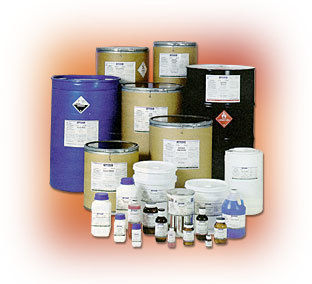
Tell us about your requirement

Price:
Quantity
Select Unit
- 50
- 100
- 200
- 250
- 500
- 1000+
Additional detail
Mobile number
Email

More Products in Chemical Supplies Category
Alpha Amyl Cinnamic Aldehyde
Ingredients : Alphaamyl cinnamic aldehyde trace stabilizers
Application : Other , Used in the fragrance industry for soaps perfumes and detergents
Poisonous : Other, Yes harmful if ingested or inhaled in concentrated form
Shape : N/A (liquid), other
Molecular Formula : C15H20O
Appearance : Clear slightly yellow liquid
Acetyl Bromide
Ingredients : Acetic acid and brominederived compound
Application : Other , Organic synthesis acetylation reactions research purposes
Poisonous : YES
Shape : other, N/A (liquid form)
Molecular Formula : C2H3BrO
Appearance : Colorless to light yellow liquid
Ortho Chloro Para Nitro Aniline
Ingredients : Ortho Chloro Para Nitro Aniline
Application : Manufacturing dyes pigments and intermediates in the chemical industry, Other
Poisonous : YES
Shape : other, Crystalline
Molecular Formula : C6H5ClN2O2
Appearance : Yellow to orange crystalline powder
2 Bromo Benzaldehyde
Ingredients : Pure 2Bromo Benzaldehyde
Application : Used in pharmaceuticals agrochemicals and as an intermediate in organic synthesis, Other
Poisonous : YES
Shape : other, Crystalline solid
Molecular Formula : C7H5BrO
Appearance : White to pale yellow crystalline solid

Contact Details
JOSHI AGROCHEM PHARMA PRIVATE LIMITED
GST : 27AAFCJ1227Q1Z8
- 813, Topiwala Center, Opp. Railway Station, Goregaon (West), Mumbai - 400062, Maharashtra, India
- Phone :08045802973
 Send Inquiry
- For Chemicals - Solvents :
Mobile. +918097911779
For Pharma - API's :
Mobile. +918655564472
For Agro - Pesticides :
Mobile. +918080701491
For Metals :
Mobile. +919322422799


Developed and Managed by Infocom Network Private Limited.
