
Call: 08045802973
 Send Inquiry
 Send Inquiry
Acetyl Bromide
Acetyl Bromide Specification
- Density
- 1.663 Gram per cubic centimeter(g/cm3)
- Properties
- Highly reactive corrosive moisture-sensitive
- Molecular Formula
- C2H3BrO
- Appearance
- Colorless to light yellow liquid
- Ingredients
- Acetic acid and bromine-derived compound
- Shape
- N/A (liquid form)
- HS Code
- 291590
- Smell
- Sharp acidic odor
- Storage
- Store in a cool dry place. Keep container tightly closed and away from moisture.
- Physical Form
- Liquid
- Melting Point
- -96°C
- Shelf Life
- 12-24 months under proper storage conditions
- Refractive Rate
- 1.450
- EINECS No
- 208-051-2
- Structural Formula
- CH3COBr
- Taste
- Pungent and bitter
- Poisonous
- YES
- Application
- Organic synthesis acetylation reactions research purposes
- Purity
- >99%
- Ph Level
- Not applicable (acidic in water)
- Solubility
- Reacts with water and alcohol
- Usage
- Used as a chemical intermediate in laboratories and industrial processes
- CAS No
- 506-96-7
- Molecular Weight
- 122.95 g/mol
- Grade
- Industrial and research grade
About Acetyl Bromide
We are Contract Manufacturer, Exporter and Distributers of various products. Major All products are available as per specification require by client in all grades. Quality Supply With Customer Satisfaction - Since 1971.FAQs of Acetyl Bromide:
Q: Is Acetyl Bromide safe for consumption?
A: Acetyl Bromide is poisonous and should not be consumed. It is meant for industrial and research purposes only.Q: What are the storage recommendations for Acetyl Bromide?
A: Acetyl Bromide should be stored in a cool, dry place. Ensure the container is tightly closed and kept away from moisture to prevent any reactions.Q: What is the shelf life of Acetyl Bromide?
A: The shelf life of Acetyl Bromide is 12-24 months under proper storage conditions.Q: How is Acetyl Bromide commonly used?
A: Acetyl Bromide is used as a chemical intermediate in laboratories and industrial processes, particularly in organic synthesis acetylation reactions for research purposes.Q: What are the physical properties of Acetyl Bromide?
A: Acetyl Bromide is a highly reactive, corrosive, and moisture-sensitive liquid. It appears as a colorless to light yellow liquid with a density of 1.663 g/cm3.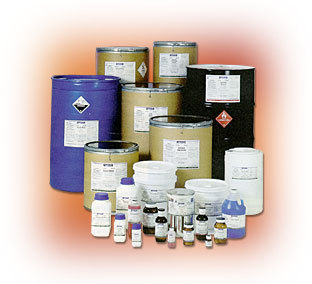
Tell us about your requirement

Price:
Quantity
Select Unit
- 50
- 100
- 200
- 250
- 500
- 1000+
Additional detail
Mobile number
Email

More Products in Chemical Supplies Category
Isopropyl palmitate
Molecular Formula : C19H38O2
Appearance : Clear to slightly yellow liquid
Density : 0.852 Gram per cubic centimeter(g/cm3)
Properties : Stable under normal conditions high lubricity and excellent spreadability
Melting Point : 12C
Shelf Life : 24 months under proper storage conditions
Glycolic acid
Molecular Formula : C2H4O3
Appearance : Colorless to light yellow liquid or white crystalline solid
Density : 1.49 Gram per cubic centimeter(g/cm3)
Properties : Colorless hygroscopic crystalline solid; strong acidity; biodegradable
Melting Point : 7580C
Shelf Life : 2 years under proper storage conditions
Urea phosphate
Molecular Formula : CH7N2O5P
Appearance : White crystalline powder
Density : 1.9 Gram per cubic centimeter(g/cm3)
Properties : Nitrogenphosphorus compound; acidic nature; hygroscopic
Melting Point : Approximately 117C (decomposes before melting)
Shelf Life : 2 years when stored properly
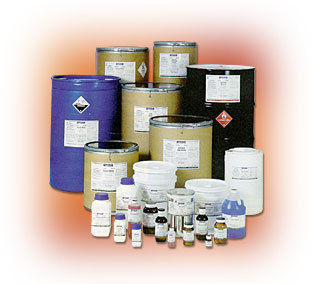
Di-n-butylamine
Molecular Formula : C8H19N
Appearance : Colorless to pale yellow liquid
Density : 0.759 Gram per cubic centimeter(g/cm3)
Properties : Highly flammable volatile organic liquid with basic properties
Melting Point : 60C
Shelf Life : 12 months when stored under recommended conditions

Contact Details
JOSHI AGROCHEM PHARMA PRIVATE LIMITED
GST : 27AAFCJ1227Q1Z8
- 813, Topiwala Center, Opp. Railway Station, Goregaon (West), Mumbai - 400062, Maharashtra, India
- Phone :08045802973
 Send Inquiry
- For Chemicals - Solvents :
Mobile. +918097911779
For Pharma - API's :
Mobile. +918655564472
For Agro - Pesticides :
Mobile. +918080701491
For Metals :
Mobile. +919322422799


Developed and Managed by Infocom Network Private Limited.
