
Call: 08045802973
 Send Inquiry
 Send Inquiry
Buprofezin
Buprofezin Specification
- Properties
- Inhibits chitin synthesis, acts as a growth regulator against insect pests
- EINECS No
- 272-180-0
- Ph Level
- 6.0-8.0 (1% solution)
- Color
- White
- Water Content Vol%
- 0.5%
- Place of Origin
- China
- Active Ingredient
- Buprofezin
- Product Name
- Buprofezin
- Grade
- Technical Grade
- Melting Point
- 104-105 C
- Purity(%)
- 97%
- CAS No
- 69327-76-0
- Smell
- Odorless
- Moisture (%)
- 0.5%
- Ash %
- 0.1%
- State
- Powder
- Density
- 1.31 Gram per cubic centimeter(g/cm3)
- Shape
- Granular
- Appearance
- White to off-white powder
- Molecular Formula
- C16H23N3O4S
- Packaging
- 25 kg fiber drum or as required
- Shelf Life
- 2 years under proper storage
- UN Number
- 3077
- Stability
- Stable under normal temperatures and pressures
- Storage Conditions
- Store in a cool, dry, and well-ventilated area, away from sunlight
- Mode of Action
- Inhibits molting of nymphs and larvae
- Hazard Class
- 9 (Miscellaneous dangerous substances and articles)
- Toxicity
- Low toxicity to mammals, non-systemic
- Applications
- Control of planthoppers, whiteflies, and scale insects in rice, vegetables, cotton, and fruit trees
- Solubility
- Insoluble in water, soluble in organic solvents
Buprofezin Trade Information
- Supply Ability
- 1000 Per Month
- Delivery Time
- 7 Days
About Buprofezin
Buprofezin
"JOSHI AGRO & PESTICIDES" offers wide range of INSECTICIDES - PESTICIDES - FUNGISCIDES - WEEDICIDES - HERBICIDES for all Crops. Contract Manufacturer - exporter distributers. All grades available in Technical and Bulk Formulation also in small ready to spray pack.
How Does Buprofezin Work Against Insect Pests?
Buprofezin acts as a growth regulator by inhibiting chitin synthesis in insects. This action prevents nymphs and larvae from successfully molting, thereby disrupting their life cycle and reducing pest populations. It targets pests such as planthoppers, whiteflies, and scale insects, making it effective in integrated pest management strategies.
Storage and Stability for Optimal Performance
To maintain its effectiveness, store Buprofezin in a cool, dry, and well-ventilated area away from direct sunlight. Under proper storage conditions, it remains stable and has a shelf life of two years, ensuring consistent pest control performance throughout its usage period.
Versatile Applications Across Crop Types
Buprofezin offers flexible application options in various crops such as rice, cotton, vegetables, and fruit trees. Its non-systemic properties and low mammalian toxicity make it suitable for environments where crop safety and operator health are priorities, especially in integrated pest management systems.
FAQs of Buprofezin:
Q: How should Buprofezin be used for effective pest control?
A: Buprofezin should be applied according to label instructions, typically as part of a spray solution in crops like rice, cotton, vegetables, and fruit trees. It is most effective against immature stages of planthoppers, whiteflies, and scale insects, targeting their molting phases for optimal results.Q: What is the mode of action of Buprofezin?
A: Buprofezin inhibits chitin synthesis in nymphs and larvae, disrupting their molting process. This prevents pests from progressing to their next growth stage, resulting in reduced pest populations on treated crops.Q: Where should Buprofezin be stored?
A: Buprofezin must be stored in a cool, dry, and well-ventilated location, away from sunlight and moisture. Proper storage extends its shelf life up to two years and maintains its insecticidal properties.Q: What types of pests and crops are best managed with Buprofezin?
A: Buprofezin is effective for controlling planthoppers, whiteflies, and scale insects in several crops, including rice, cotton, vegetables, and fruit trees. Its targeted approach makes it valuable in diverse agricultural systems.Q: When is the best time to apply Buprofezin during the crop growth cycle?
A: For maximum effectiveness, apply Buprofezin during periods when pest populations are predominantly in their nymph or larval stages, as the product specifically inhibits molting processes essential for pest development.Q: What are the physical and chemical properties of Buprofezin?
A: Buprofezin appears as a white to off-white, odorless granular powder, with a melting point of 104-105C. It is insoluble in water but soluble in organic solvents, stable under normal temperatures and pressures, and has a density of 1.31 g/cm3.Q: What are the main benefits of using Buprofezin in crop protection?
A: Buprofezin provides targeted pest control with low toxicity to mammals, does not translocate within plants, and offers prolonged effectiveness due to its stability and high purity. It integrates well with holistic pest management strategies, promoting safer agricultural practices.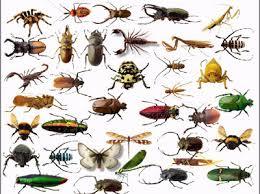
Tell us about your requirement

Price:
Quantity
Select Unit
- 50
- 100
- 200
- 250
- 500
- 1000+
Additional detail
Mobile number
Email

More Products in Insecticides Pesticides Category

Ametryn 80% WG
Minimum Order Quantity : 25 Kilograms
Density : 0.7 Gram per cubic centimeter(g/cm3)
Grade : Agricultural Grade
Ash % : Not more than 2%
State : Other, Granules (Water Dispersible)
Shape : other, Granular
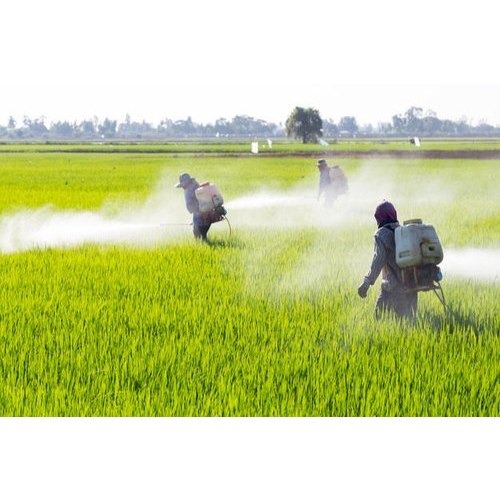
Carbosulfan 25% DS / EC, 6% G
Minimum Order Quantity : 25 Kilograms
Density : 1.10 Gram per cubic centimeter(g/cm3)
Grade : AGRICULTURE
Ash % : 0.5%
State : Other
Shape : other
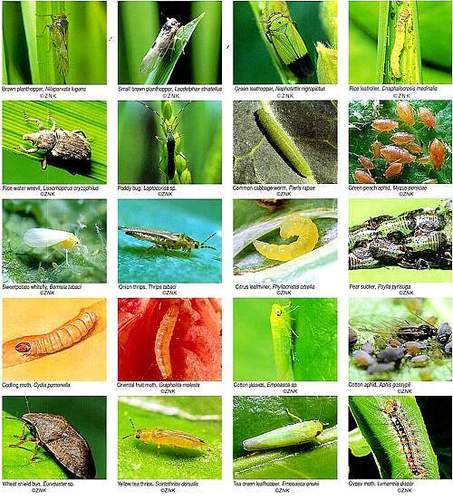
Copper Oxychloride 50% WP
Density : 3.9 Gram per cubic centimeter(g/cm3)
Grade : Agricultural Grade
Ash % : <4.0%
State : Powder
Shape : other, Fine powder
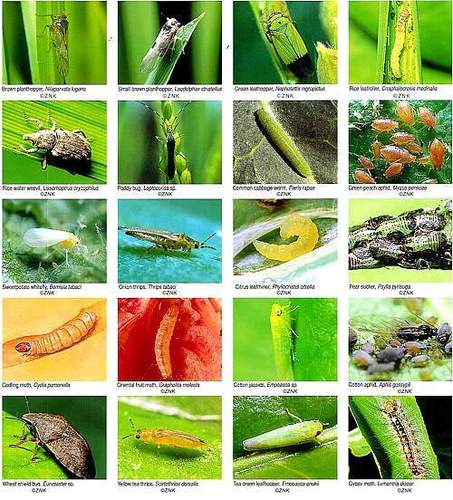
Fenarimol
Density : 1.24 Gram per cubic centimeter(g/cm3)
Grade : Industrial Grade
Ash % : 0.2%
State : Solid
Shape : other, Powder

Contact Details
JOSHI AGROCHEM PHARMA PRIVATE LIMITED
GST : 27AAFCJ1227Q1Z8
- 813, Topiwala Center, Opp. Railway Station, Goregaon (West), Mumbai - 400062, Maharashtra, India
- Phone :08045802973
 Send Inquiry
- For Chemicals - Solvents :
Mobile. +918097911779
For Pharma - API's :
Mobile. +918655564472
For Agro - Pesticides :
Mobile. +918080701491
For Metals :
Mobile. +919322422799


Developed and Managed by Infocom Network Private Limited.
