Call: 08045802973
 Send Inquiry
 Send Inquiry
Carbosulfan 25% DS / EC, 6% G
MOQ : 25 Kilograms
Carbosulfan 25% DS / EC, 6% G Specification
- Smell
- Slight specific odor
- Product Name
- Carbosulfan 25% DS / EC, 6% G
- Molecular Formula
- C20H32N2O6S
- Grade
- AGRICULTURE
- Classification
- Insecticide
- Ph Level
- 5.0-7.0
- Density
- 1.10 Gram per cubic centimeter(g/cm3)
- EINECS No
- 259-450-6
- Shape
- other
- Properties
- Systemic and contact insecticide with stomach and contact action
- State
- Other
- Active Ingredient
- Carbosulfan
- Melting Point
- 32-34C (technical)
- Ash %
- 0.5%
- CAS No
- 55285-14-8
- Water Content Vol%
- 0.5%
- Color
- White/light brown (G & DS), yellow-brown (EC)
- Purity(%)
- >=95% (technical)
- Appearance
- other
- Moisture (%)
- 1%
- Place of Origin
- India
- Toxicological Information
- Toxic to mammals; hazardous to aquatic organisms
- Application Method
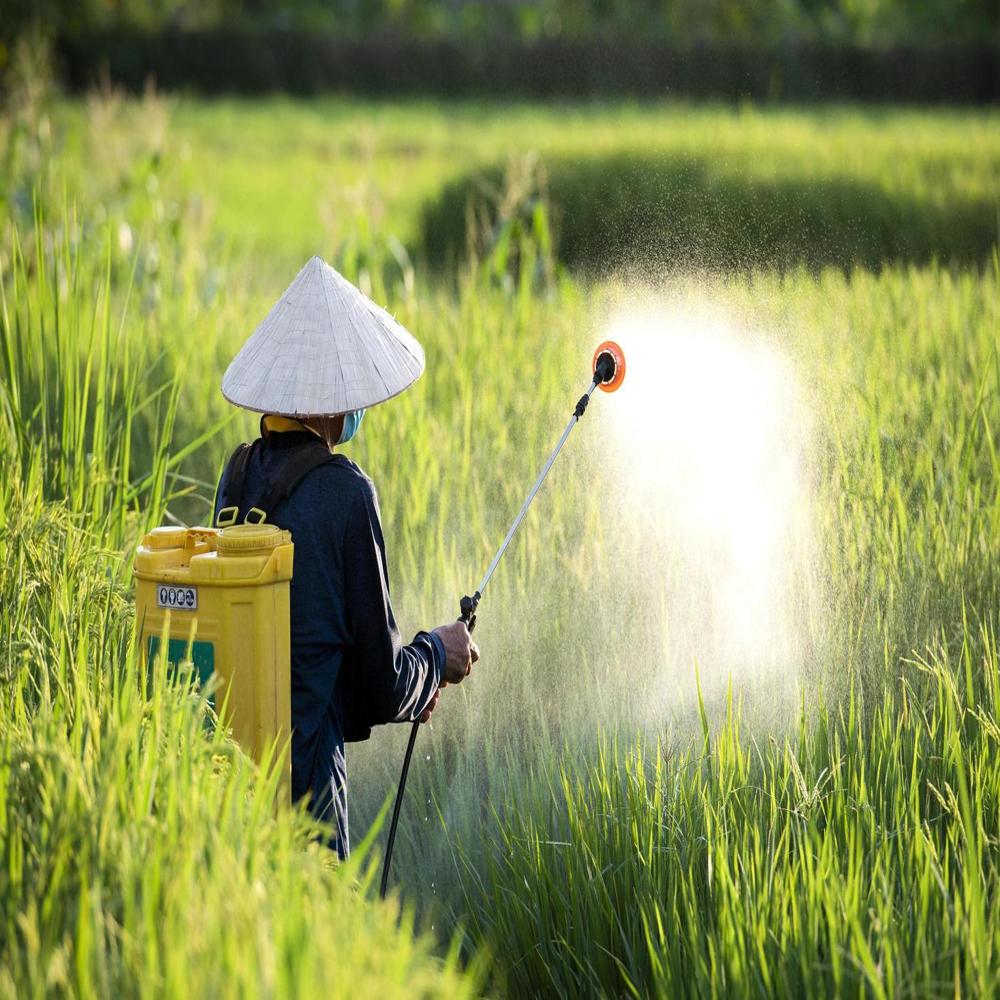
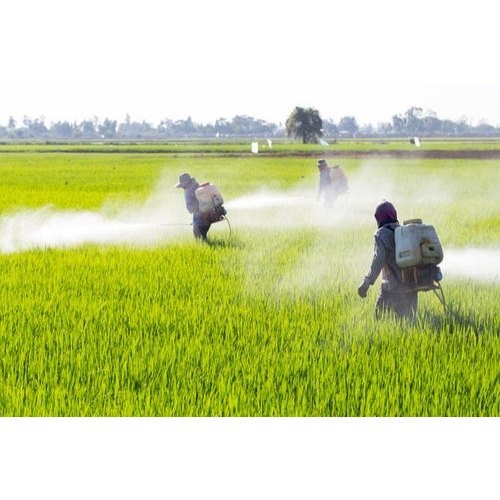
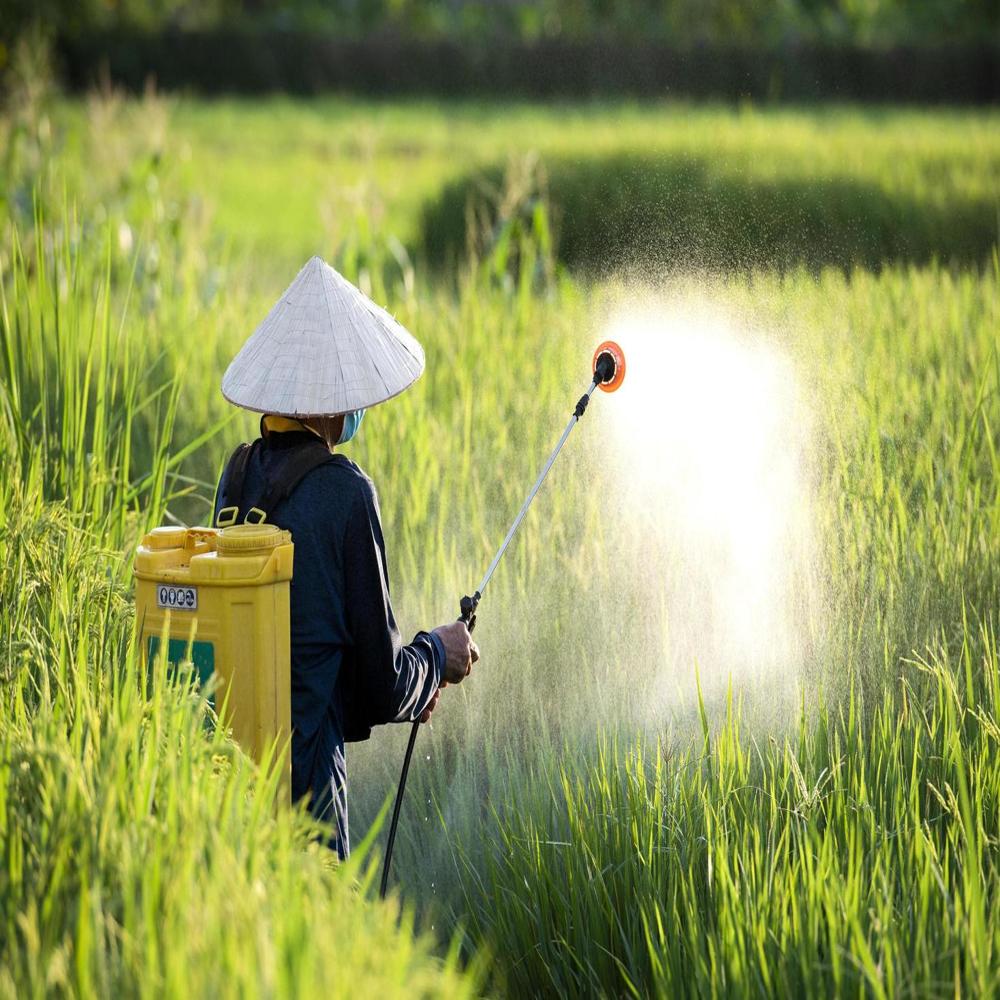
- Broadcast (G), spray (DS/EC)
- Mode of Action
- Acts by contact and stomach action, inhibits acetylcholinesterase
- Solubility
- Dispersible in water (DS/G), emulsifiable in water (EC)
- Stability
- Stable under recommended storage conditions
- Storage Condition
- Store in cool, dry, well-ventilated area away from food, feed, and oxidizing agents
- Target Pests
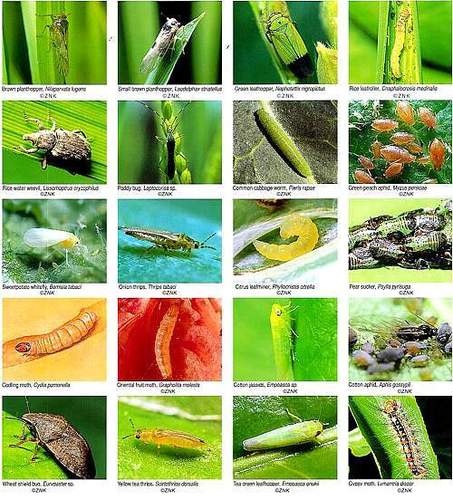
- Brown planthopper, leaf folder, stem borer, aphids, white grubs
- Packaging
- 25kg fiber drum (DS), 1/5/20L drum (EC), 25kg/50kg bag (G)
- Shelf Life
- 2 years under proper storage
- Recommended Crops
- Rice, cotton, sugarcane, maize, vegetables
Carbosulfan 25% DS / EC, 6% G Trade Information
- Minimum Order Quantity
- 25 Kilograms
- Supply Ability
- 1000 Kilograms Per Month
- Delivery Time
- 7 Days
About Carbosulfan 25% DS / EC, 6% G
Carbosulfan 25% DS / EC, 6% GCarbosulfan is a broad-spectrum, systemic, and contact insecticide/nematicide from the carbamate group, commonly used in agriculture in three main formulations: 25% EC (Emulsifiable Concentrate), 25% DS (Dry Seed Treatment), and 6% G (Granules). It is highly effective in managing a wide range of sucking and chewing pests, including aphids, whiteflies, thrips, stem borers, and nematodes.
Below are the detailed agricultural benefits of Carbosulfan 25% DS/EC and 6% G:
Key Agricultural Benefits of Carbosulfan
- Broad-Spectrum Pest Control: Effectively controls a variety of insects, including aphids, thrips, leafhoppers, stem borers, whiteflies, and beetles, offering comprehensive protection for multiple crops.
- Triple Mode of Action: Acts as a systemic, contact, and stomach poison, allowing it to penetrate plant tissues to kill hidden pests, while also killing insects upon direct contact or ingestion.
- Long-Lasting Residual Effect: Provides extended protection against pests, which reduces the need for frequent, costly re-applications.
- Resistance Management: Due to its unique "pro-insecticide" nature (converts to carbofuran inside the insect), it is effective in integrated pest management (IPM) programs and rotation strategies to manage resistance build-up.
- High Yields and Quality: Protects against yield-reducing pests like stem borers, resulting in healthier plant growth, higher yields, and improved crop quality.
Formulation-Specific Benefits
- Carbosulfan 25% EC (Emulsifiable Concentrate): Ideal for foliar spray application on paddy, sugarcane, cotton, vegetables, and fruit trees. It offers rapid knockdown of insects.
- Carbosulfan 25% DS (Dry Seed Treatment): Primarily used for cotton seeds. It protects seeds from early-stage sucking pests, ensures uniform and early germination, and reduces the need for early foliar sprays.
- Carbosulfan 6% G (Granules): Ideal for soil application, particularly in rice paddies for controlling stem borers, white grubs, and nematodes. It provides long-lasting protection from soil-borne pests.
- Cotton: Aphids, Jassids, Thrips.
- Paddy/Rice: Stem borers, Gall midge, Leaf folder, Green leaf hopper.
- Sugarcane & Vegetables: Borers, Aphids.
- Soil Pests: Nematodes, Millipedes, Wireworms.
- Application Timing: Apply at the first sign of pest infestation or during peak activity.
- Safety Precautions: Use appropriate personal protective equipment (PPE), as it is toxic to mammals and non-target organisms.
- Compatibility: Generally compatible with most fertilizers and pesticides, but it is advised not to mix with strongly alkaline materials.
Broad-Spectrum Pest Control
Carbosulfan 25% DS/EC, 6% G provides reliable protection against various insects, including brown planthopper, aphids, white grubs, and more. Its dual action, both systemic and contact, ensures high efficacy on multiple crops such as rice, sugarcane, cotton, maize, and vegetables.
Flexible Application Methods
Depending on the formulation, Carbosulfan can be applied either by spraying (DS/EC) or broadcasting (G). This flexibility allows farmers to choose the most effective method for their specific crop and field conditions, ensuring thorough pest coverage.
Stable and Long-Lasting
Properly stored in a cool, dry, and ventilated area, Carbosulfan maintains its effectiveness and chemical stability for up to two years. It comes in different packaging sizes, suitable for both small-scale and commercial agricultural operations.
FAQ's of Carbosulfan 25% DS / EC, 6% G:
Q: How should Carbosulfan 25% DS/EC, 6% G be applied to crops?
A: Carbosulfan 25% DS and EC formulations are typically applied as a spray for foliar and systemic action, while the granular (G) type is broadcast directly onto the soil, allowing it to reach soil-dwelling pests.Q: What crops are best protected using Carbosulfan?
A: Recommended crops for Carbosulfan include rice, cotton, maize, sugarcane, and various vegetables. It is effective at targeting common pest threats across these crops.Q: When is the optimal timing for Carbosulfan application during the crop cycle?
A: It is best to apply Carbosulfan during periods of pest infestation or at critical crop growth stages vulnerable to insect attack, following label directions and local agricultural guidelines for timing.Q: Where should Carbosulfan products be stored for maximum shelf life?
A: Store Carbosulfan in a cool, dry, and well-ventilated area away from food, animal feed, and oxidizing agents to maintain stability and effectiveness for up to two years.Q: What is the process for preparing Carbosulfan for field application?
A: For DS/EC formulations, dilute the product in water and mix well before spraying. For granules, broadcast evenly over the soil surface as recommended in the guidelines.Q: Is Carbosulfan hazardous to humans or the environment?
A: Carbosulfan is toxic to mammals and hazardous to aquatic organisms. Always use personal protective equipment during handling and application, and avoid contamination of water bodies.Q: What are the main benefits of using Carbosulfan on crops?
A: Carbosulfan offers both systemic and contact activity, rapid pest knockdown, extended crop protection, and compatibility with a range of crop types, helping farmers maximize yield and quality.
Tell us about your requirement

Price:
Quantity
Select Unit
- 50
- 100
- 200
- 250
- 500
- 1000+
Additional detail
Mobile number
Email

More Products in Insecticides Pesticides Category
Propiconazole 25% EC
Minimum Order Quantity : 25 Kilograms
Place of Origin : India
State : Liquid
Active Ingredient : Propiconazole 25% w/v
Purity(%) : 99%
EINECS No : 2621044
CHLOROTHALONIL 75% WP
Minimum Order Quantity : 25 Kilograms
Place of Origin : India
State : Other
Active Ingredient : Chlorothalonil 75%
Purity(%) : 75%
EINECS No : 2175881
Propineb 54.2% + Tricyclazole 15 % WP
Minimum Order Quantity : 25 Kilograms
Place of Origin : India
State : Other, Powder (Wettable Powder)
Active Ingredient : Propineb 54.2%, Tricyclazole 15%
Purity(%) : Guaranteed as labelled
EINECS No : Propineb: 2350872, Tricyclazole: 2555429
Ethephon
Place of Origin : China
State : Liquid
Active Ingredient : Ethephon
Purity(%) : 85% 90%
EINECS No : 2407183

Contact Details
JOSHI AGROCHEM PHARMA PRIVATE LIMITED
GST : 27AAFCJ1227Q1Z8
- 813, Topiwala Center, Opp. Railway Station, Goregaon (West), Mumbai - 400062, Maharashtra, India
- Phone :08045802973
 Send Inquiry
- For Chemicals - Solvents :
Mobile. +918097911779
For Pharma - API's :
Mobile. +918655564472
For Agro - Pesticides :
Mobile. +918080701491
For Metals :
Mobile. +919322422799


Developed and Managed by Infocom Network Private Limited.
