Call: 08045802973
 Send Inquiry
 Send Inquiry
Sodium ascorbate
Sodium ascorbate Specification
- Storage Instructions
- Store in a cool, dry place in tightly sealed container away from light and moisture
- Ph Level
- 7.0 - 8.0 (5% solution in water)
- Molecular Weight
- 198.11 g/mol
- Appearance
- White to pale yellow crystalline powder
- Odour
- Odourless
- Density
- 1.66 Gram per cubic centimeter(g/cm3)
- Solubility
- Freely soluble in water, slightly soluble in alcohol
- Chemical Name
- Sodium Ascorbate
- Other Names
- Sodium Salt of Ascorbic Acid, Vitamin C Sodium Salt
- Classification
- Vitamin C Derivative, Antioxidant
- CAS No
- 134-03-2
- Type
- Pharmaceutical Grade
- Application
- Pharmaceuticals, Food Additive, Nutritional Supplement, Cosmetics
- Application Method
- Direct Mixing, Solution Preparation
- Raw Material
- Ascorbic Acid
- Physical State
- Powder
- Usage
- Used as an antioxidant and source of Vitamin C in formulations
- Shelf Life
- 24 months
- Purity(%)
- >99%
- Best Before
- 24 months from manufacture date
- HS Code
- 29362700
- Stability
- Stable under recommended storage conditions
- EC No.
- 205-126-1
- Packaging Type
- Sealed PE bag in fiber drum or as required
- Melting Point
- 220C (decomposition)
- Grade
- USP/FCC/E300
- Allergen Statement
- Allergen free
- Assay (Sodium Ascorbate)
- 99.0%
- Loss on Drying
- 0.25%
- GMO Status
- Non-GMO
- Safety Data
- Non-hazardous under normal conditions
- Heavy Metals
- 20 ppm
About Sodium ascorbate
Discover the hot-selling and peerless Sodium Ascorbate, an exceptional antioxidant and Vitamin C derivative renowned for its splendiferous purity (99.0%) and breathtaking versatility. Popular across pharmaceuticals, supplements, food, and cosmetics, this pharmaceutical-grade powder offers splendiferous stability and appearance, being white to pale yellow and odourless. Encased in airtight packaging, it ensures freshness and potency for up to 24 months. A true bargain in the market, this product is non-GMO, allergen-free, and non-hazardousmaking it the paramount choice for health-conscious formulations, innovation, and bulk applications throughout India and abroad.
Versatile Application and Distinct Features of Sodium Ascorbate
Sodium Ascorbate is widely utilized across pharmaceuticals, food products, nutritional supplements, and cosmetics. Its applications include direct mixing into formulations and solution preparations on various surfaces like production equipment, blending tanks, and packaging lines. The product stands out for its freely soluble nature in water, slightly soluble in alcohol, neutral pH, and high purity. Other features include its allergen-free, non-GMO status, and ease of storage, underscoring its reliability and peerless value for everyday industrial needs.
Global Market Valuation and Certifications of Sodium Ascorbate
Sodium Ascorbate enjoys a substantial valuation and demand in export markets across Asia, Africa, Middle East, and globally. Main domestic distribution takes place throughout India, ensuring wide accessibility. Certifications like USP, FCC, and E300 validate its top-tier quality. Our streamlined order processing system and competitive list price make it a sought-after commodity among importers, exporters, manufacturers, suppliers, and traders. Purchase with confidence, backed by consistent quality and excellent service.
Versatile Application and Distinct Features of Sodium Ascorbate
Sodium Ascorbate is widely utilized across pharmaceuticals, food products, nutritional supplements, and cosmetics. Its applications include direct mixing into formulations and solution preparations on various surfaces like production equipment, blending tanks, and packaging lines. The product stands out for its freely soluble nature in water, slightly soluble in alcohol, neutral pH, and high purity. Other features include its allergen-free, non-GMO status, and ease of storage, underscoring its reliability and peerless value for everyday industrial needs.
Global Market Valuation and Certifications of Sodium Ascorbate
Sodium Ascorbate enjoys a substantial valuation and demand in export markets across Asia, Africa, Middle East, and globally. Main domestic distribution takes place throughout India, ensuring wide accessibility. Certifications like USP, FCC, and E300 validate its top-tier quality. Our streamlined order processing system and competitive list price make it a sought-after commodity among importers, exporters, manufacturers, suppliers, and traders. Purchase with confidence, backed by consistent quality and excellent service.
FAQs of Sodium ascorbate:
Q: How should Sodium Ascorbate be stored to maintain its stability and efficacy?
A: Sodium Ascorbate should be stored in a cool, dry place in tightly sealed containers, away from light and moisture, to ensure its stability and maintain efficacy throughout its 24-month shelf life.Q: What are the primary usage methods for Sodium Ascorbate in different industries?
A: The main application methods include direct mixing into pharmaceutical or food formulations and solution preparation. Its high solubility in water and neutral pH make it ideal for broad industrial usage.Q: When is it advisable to use Sodium Ascorbate over other Vitamin C derivatives?
A: Sodium Ascorbate is preferred when a non-acidic, high-purity antioxidant is required, especially in sensitive formulations needing allergen-free, non-GMO, and non-hazardous ingredients.Q: Where is Sodium Ascorbate commonly applied within manufacturing processes?
A: It is widely used on mixing equipment and industrial surfaces such as blending tanks and packaging systems in pharmaceutical, nutritional, food, and cosmetic production environments.Q: What are the benefits of choosing USP/FCC/E300 grade Sodium Ascorbate for your application?
A: Selecting USP/FCC/E300 grade ensures strict quality, purity, and safety standards, providing consistent results and compliance with regulatory requirementsmaking it ideal for high-value export and domestic markets.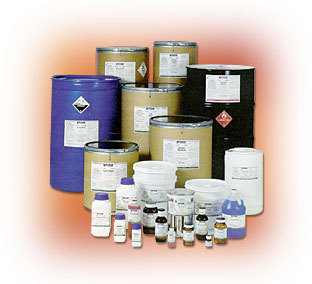
Tell us about your requirement

Price:
Quantity
Select Unit
- 50
- 100
- 200
- 250
- 500
- 1000+
Additional detail
Mobile number
Email

More Products in Solvent Chemical Category
DI ETHANOL AMINE
Usage : Industrial; Laboratory; Commercial
CAS No : 111422
Shelf Life : 12 months
Solubility : Fully miscible in water
Appearance : Clear, colorless to pale yellow viscous liquid
Chemical Name : Di Ethanol Amine
BUTYLATED HYDROXY TOLUNE
Usage : Used as a preservative and antioxidant to prevent oxidation
CAS No : 128370
Shelf Life : 24 months
Solubility : Insoluble in water, soluble in alcohol, acetone, and fat/oil
Appearance : White or pale yellow crystalline powder
Chemical Name : Butylated Hydroxy Toluene
Lithium carbonate
Usage : Manufacturing and synthesis applications
CAS No : 554132
Shelf Life : 2 years
Solubility : Soluble in water; insoluble in alcohol
Appearance : White crystalline powder
Chemical Name : Lithium carbonate
Mix Xylene
Usage : Primarily used in industrial applications
CAS No : 1330207
Shelf Life : 12 months
Solubility : Insoluble in water soluble in organic solvents
Appearance : Colorless liquid
Chemical Name : Xylene

Contact Details
JOSHI AGROCHEM PHARMA PRIVATE LIMITED
GST : 27AAFCJ1227Q1Z8
- 813, Topiwala Center, Opp. Railway Station, Goregaon (West), Mumbai - 400062, Maharashtra, India
- Phone :08045802973
 Send Inquiry
- For Chemicals - Solvents :
Mobile. +918097911779
For Pharma - API's :
Mobile. +918655564472
For Agro - Pesticides :
Mobile. +918080701491
For Metals :
Mobile. +919322422799


Developed and Managed by Infocom Network Private Limited.
