Call: 08045802973
 Send Inquiry
 Send Inquiry
Lithium carbonate
Lithium carbonate Specification
- Ph Level
- Alkaline (pH 11.5-12.5 in aqueous solution)
- Storage Instructions
- Store in a tightly closed container in a dry, cool, and well-ventilated area
- Odour
- Odourless
- Appearance
- White crystalline powder
- Density
- 2.11 Gram per cubic centimeter(g/cm3)
- Molecular Weight
- 73.89 g/mol
- Solubility
- Soluble in water; insoluble in alcohol
- Chemical Name
- Lithium carbonate
- Other Names
- Lithium salt, Carbonic acid lithium salt
- Classification
- Inorganic compound
- CAS No
- 554-13-2
- Type
- Industrial grade
- Application
- Used in ceramics, glass, batteries, pharmaceuticals, and aluminum production
- Application Method
- Direct application in production processes
- Raw Material
- Lithium-containing minerals
- Physical State
- Powder
- Usage
- Manufacturing and synthesis applications
- Shelf Life
- 2 years
- Purity(%)
- 99% min
- Best Before
- 24 months from date of manufacture
- Boiling Point
- 1,310C (decomposes)
- Toxicity
- Low toxicity, use personal protective equipment
- HS Code
- 28369100
- Compatibility
- Incompatible with strong acids and oxidizers
- Particle Size
- Typically 10-100 m
- Hazard Statement
- H302: Harmful if swallowed
- Melting Point
- 723C
- Transport Information
- Non-hazardous for transport
- EC Number
- 209-062-5
- Refractive Index
- 1.428
About Lithium carbonate
Lithium carbonate is an industrial-grade inorganic compound distinguished by its highlighted purity of 99% min and exquisite white, lustrous crystalline powder appearance. Scarce and highly sought for clearance due to its spectacular utility, this compound is indispensable in ceramics, glass, batteries, pharmaceuticals, and aluminum production. It boasts a melting point of 723C and demonstrates low toxicity, making it suitable for safe handling with personal protective equipment. With a shelf life of 2 years and optimal solubility in water, it excels in a wide scope of manufacturing and synthesis applications.
Applications & Features of Lithium Carbonate
Lithium carbonate is prominently used in ceramics, glass, aluminum production, battery manufacturing, and pharmaceuticals. Its direct application in production processes is enhanced by its fine particle size (10100 m) and superior chemical stability. Extra features include its highly alkaline pH, odourless nature, and impressive compatibility, except with strong acids and oxidizers. Ideal for surfaces that require high purity and performance, this powder is a reliable choice for manufacturing industries.
Export Markets & Supply of Lithium Carbonate
Our lithium carbonate is in high demand across India and global markets, shipped goods ready for immediate dispatch. Rates are competitive, and stock is consistently maintained to fulfill bulk and clearance orders efficiently. The main export markets include Asia, Europe, and North America. Samples are available for evaluation, and supply ability is robust to accommodate varying quantities throughout the year, ensuring clients receive products promptly and reliably.
Applications & Features of Lithium Carbonate
Lithium carbonate is prominently used in ceramics, glass, aluminum production, battery manufacturing, and pharmaceuticals. Its direct application in production processes is enhanced by its fine particle size (10100 m) and superior chemical stability. Extra features include its highly alkaline pH, odourless nature, and impressive compatibility, except with strong acids and oxidizers. Ideal for surfaces that require high purity and performance, this powder is a reliable choice for manufacturing industries.
Export Markets & Supply of Lithium Carbonate
Our lithium carbonate is in high demand across India and global markets, shipped goods ready for immediate dispatch. Rates are competitive, and stock is consistently maintained to fulfill bulk and clearance orders efficiently. The main export markets include Asia, Europe, and North America. Samples are available for evaluation, and supply ability is robust to accommodate varying quantities throughout the year, ensuring clients receive products promptly and reliably.
FAQs of Lithium carbonate:
Q: How is lithium carbonate typically used in manufacturing processes?
A: Lithium carbonate is directly applied during the production of ceramics, glass, batteries, pharmaceuticals, and aluminum, enhancing quality and stability in these industrial applications.Q: What precautions should be taken when handling lithium carbonate?
A: Personal protective equipment should be used due to its hazard statement (H302), which indicates its harmful if swallowed. It should also be kept away from strong acids and oxidizers to avoid incompatibility issues.Q: Where can lithium carbonate be shipped from and to?
A: Lithium carbonate can be shipped from India to domestic locations as well as major international markets such as Asia, Europe, and North America.Q: What is the shelf life and storage recommendation for lithium carbonate?
A: Lithium carbonate retains its quality for up to 24 months from the date of manufacture. It should be stored in a tightly closed container, in a cool, dry, and well-ventilated area.Q: When are samples of lithium carbonate available for evaluation?
A: Samples of lithium carbonate are readily available upon request to help customers assess its suitability for their intended application before placing bulk orders.Q: What benefits does using lithium carbonate offer in ceramics and glass production?
A: Lithium carbonate contributes to the improved texture, strength, and heat resistance of ceramics and glass, resulting in superior finished products with enhanced durability and aesthetic appeal.
Tell us about your requirement

Price:
Quantity
Select Unit
- 50
- 100
- 200
- 250
- 500
- 1000+
Additional detail
Mobile number
Email

More Products in Solvent Chemical Category
Pyridine
Solubility : Miscible with water, alcohol, ether and other organic solvents
Application : Pharmaceuticals, Agrochemicals, Solvent, Reagent, Rubber chemicals, Dye synthesis
Appearance : Clear, colorless to pale yellow liquid
Chemical Name : Pyridine
Shelf Life : 2 years
Odour : Distinct, unpleasant fishlike odour
Potassium ferrocyanide
Solubility : Soluble in water
Application : Industrial, laboratory, water treatment, food additive
Appearance : Yellow crystalline powder
Chemical Name : Potassium ferrocyanide
Shelf Life : 2 years
Odour : Odorless
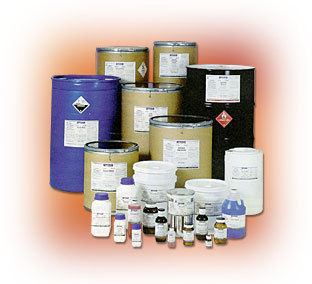
DI METHYL CARBONATE
Solubility : Miscible with water and organic solvents
Application : Solvent chemical intermediate
Appearance : Colorless liquid
Chemical Name : Dimethyl Carbonate
Shelf Life : 24 months
Odour : Pleasant fruity
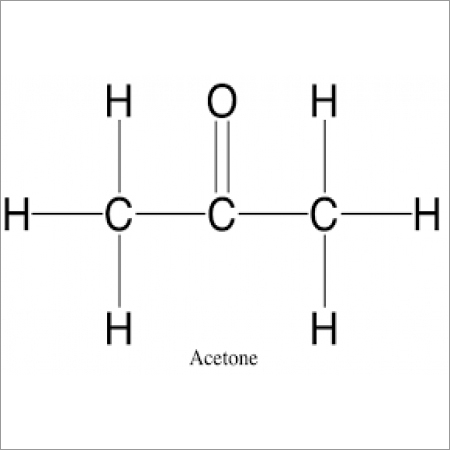
Acetone Sovent
Solubility : Water
Application : Industrial Equipment Cleaning
Appearance : Liquid
Chemical Name : Acetone Sovent
Shelf Life : 1 Years
Odour : Acetone

Contact Details
JOSHI AGROCHEM PHARMA PRIVATE LIMITED
GST : 27AAFCJ1227Q1Z8
- 813, Topiwala Center, Opp. Railway Station, Goregaon (West), Mumbai - 400062, Maharashtra, India
- Phone :08045802973
 Send Inquiry
- For Chemicals - Solvents :
Mobile. +918097911779
For Pharma - API's :
Mobile. +918655564472
For Agro - Pesticides :
Mobile. +918080701491
For Metals :
Mobile. +919322422799


Developed and Managed by Infocom Network Private Limited.
