
Call: 08045802973
 Send Inquiry
 Send Inquiry
Pyridine
Pyridine Specification
- Ph Level
- ~8.7 (1% solution in water)
- Odour
- Distinct, unpleasant fish-like odour
- Appearance
- Clear, colorless to pale yellow liquid
- Storage Instructions
- Store in a cool, dry, well-ventilated area, tightly closed, away from sources of ignition
- Solubility
- Miscible with water, alcohol, ether and other organic solvents
- Molecular Weight
- 79.10 g/mol
- Density
- 0.981 Gram per cubic centimeter(g/cm3)
- Chemical Name
- Pyridine
- Other Names
- Azabenzene, Pyridin
- Classification
- Heterocyclic aromatic organic compound
- CAS No
- 110-86-1
- Type
- Chemical Intermediate
- Application
- Pharmaceuticals, Agrochemicals, Solvent, Reagent, Rubber chemicals, Dye synthesis
- Application Method
- Direct use or formulation as per process needs
- Raw Material
- Derived from acetaldehyde and ammonia or coal tar
- Physical State
- Liquid
- Usage
- Used as a precursor, solvent and raw material in chemical synthesis
- Shelf Life
- 2 years
- Purity(%)
- 99%
- Drying Time
- Not applicable (volatile liquid)
- Best Before
- 2 years from date of manufacture if stored correctly
- Regulatory Information
- Complies with major pharmacopeial and technical standards
- UN Number
- 1282
- Production Process
- Synthetically produced or isolated from coal tar
- Molecular Formula
- C5H5N
- Refractive Index
- 1.509 at 20C
- Melting Point
- -41.6C
- Flash Point
- 20C (68F) (closed cup)
- Transport Class
- Class 3 (Flammable Liquids)
- Boiling Point
- 115-117C
- EC Number
- 203-809-9
- Stability
- Stable under recommended storage conditions
- Autoignition Temperature
- 482C
- Hazard Identification
- Flammable liquid, Harmful if inhaled, Causes eye irritation
- Environmental Hazards
- May contaminate water and soil if released in large quantities
- Vapour Pressure
- 20 mmHg at 20C
- Packaging
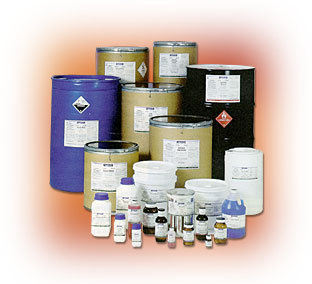
- Available in steel or HDPE drums/barrels
About Pyridine
Experience opulent quality with our Pyridine, a laureate among chemical intermediates. Synthetically produced or isolated from coal tar, this eminent compound boasts a purity of 99% and finds applications in pharmaceuticals, agrochemicals, solvents, and dye synthesis. Favorable reviews highlight its reliability, making it a preferred choice for industry leaders. With a clear, pale yellow appearance and a distinct odour, Pyridine comes at the lowest price, ready for you to Try Now. Compliant with major regulatory standards and securely packaged, it guarantees stable performance under recommended conditions for up to 2 years.
Competitive Advantages of Pyridine
Pyridine stands out for its versatility as an intermediate and reagent in pharmaceutical and agrochemical production. Its competitive advantage lies in its superior purity, chemical stability, and ease of use in a range of application media. Industries value its rapid miscibility with water, alcohol, and organic solvents, ensuring consistent results and efficient processes. As an eminent choice for chemical synthesis, Pyridine offers efficiency and reliability, making it indispensable for both research and large-scale manufacturing setups.
Pyridine Packaging, Payment Terms, and Sample Policy Details
Our Pyridine is available in opulent steel or HDPE drums/barrels suitable for domestic mar and global trade markets. We facilitate secure goods transport, ensuring product integrity from our site to yours. Flexible payment terms are available to streamline your outlay, and samples can be provided based on mutual agreement to assess suitability for specific applications. With dedicated importer, exporter, and supplier networks across India, we ensure prompt dispatch and reliable fulfillment for every customer need.
Competitive Advantages of Pyridine
Pyridine stands out for its versatility as an intermediate and reagent in pharmaceutical and agrochemical production. Its competitive advantage lies in its superior purity, chemical stability, and ease of use in a range of application media. Industries value its rapid miscibility with water, alcohol, and organic solvents, ensuring consistent results and efficient processes. As an eminent choice for chemical synthesis, Pyridine offers efficiency and reliability, making it indispensable for both research and large-scale manufacturing setups.
Pyridine Packaging, Payment Terms, and Sample Policy Details
Our Pyridine is available in opulent steel or HDPE drums/barrels suitable for domestic mar and global trade markets. We facilitate secure goods transport, ensuring product integrity from our site to yours. Flexible payment terms are available to streamline your outlay, and samples can be provided based on mutual agreement to assess suitability for specific applications. With dedicated importer, exporter, and supplier networks across India, we ensure prompt dispatch and reliable fulfillment for every customer need.
FAQs of Pyridine:
Q: How should Pyridine be stored to maintain its shelf life?
A: Pyridine should be stored tightly closed in a cool, dry, well-ventilated area, away from sources of ignition. Proper storage helps maintain its stability and ensures a shelf life of up to 2 years.Q: What are the main applications of Pyridine in industry?
A: Pyridine is widely used as a precursor, solvent, and reagent in pharmaceuticals, agrochemicals, rubber chemicals, dye synthesis, and laboratory research, due to its versatility and miscibility with various solvents.Q: When can I request a sample of Pyridine for testing?
A: Samples are available for evaluation upon mutual agreement, allowing users to assess the suitability of Pyridine for their specific process needs before making a bulk purchase.Q: Where do you export Pyridine and how is it transported?
A: We export Pyridine domestically and globally, utilizing secure steel or HDPE drums/barrels. The product is shipped as a Class 3 flammable liquid and complies with transport regulations to ensure safe delivery.Q: What is the production process of Pyridine?
A: Pyridine is produced synthetically from acetaldehyde and ammonia or isolated from coal tar, ensuring high purity and compliance with major pharmacopeial and technical standards.Q: How can Pyridine benefit chemical synthesis operations?
A: With eminent chemical stability and rapid miscibility, Pyridine enhances reaction efficiency and product consistency in chemical synthesis, making it a preferred choice for manufacturing and research sectors.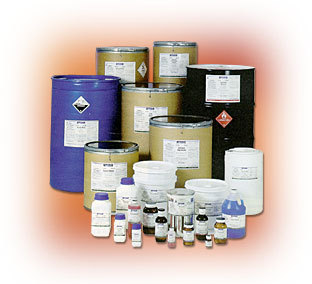
Tell us about your requirement

Price:
Quantity
Select Unit
- 50
- 100
- 200
- 250
- 500
- 1000+
Additional detail
Mobile number
Email

More Products in Solvent Chemical Category
DEXTRINE WHITE
Usage : Industrial, Commercial
Solubility : Soluble in Water
Storage Instructions : Store in cool, dry, ventilated area away from moisture
Density : 1.5 Gram per cubic centimeter(g/cm3)
Appearance : White to OffWhite Fine Powder
Chemical Name : White Dextrine
Di Propylene Glycol
Usage : Industrial solvent cosmetic formulations fuel additives and intermediates in chemical synthesis
Solubility : Completely soluble in water
Storage Instructions : Store in a cool dry place away from sunlight and incompatible substances
Density : 1.020 Gram per cubic centimeter(g/cm3)
Appearance : Colorless clear viscous liquid
Chemical Name : Di Propylene Glycol
pyrolidine
Usage : For research, industrial, and synthesis purposes only
Solubility : Miscible with water, alcohol, and ether
Storage Instructions : Store tightly sealed in a cool, dry, wellventilated area, away from heat and open flame
Density : 0.866 Gram per cubic centimeter(g/cm3)
Appearance : Colourless to pale yellow transparent liquid
Chemical Name : Pyrrolidine
Oleum 65%
Usage : Chemical manufacturing explosives dyes production
Solubility : Miscible with water releases heat upon mixing
Storage Instructions : Store in a cool dry place in tightly sealed containers
Density : 1.8 Gram per cubic centimeter(g/cm3)
Appearance : Colorless to light yellow liquid
Chemical Name : Fuming Sulfuric Acid

Contact Details
JOSHI AGROCHEM PHARMA PRIVATE LIMITED
GST : 27AAFCJ1227Q1Z8
- 813, Topiwala Center, Opp. Railway Station, Goregaon (West), Mumbai - 400062, Maharashtra, India
- Phone :08045802973
 Send Inquiry
- For Chemicals - Solvents :
Mobile. +918097911779
For Pharma - API's :
Mobile. +918655564472
For Agro - Pesticides :
Mobile. +918080701491
For Metals :
Mobile. +919322422799


Developed and Managed by Infocom Network Private Limited.
