
Call: 08045802973
 Send Inquiry
 Send Inquiry
pyrolidine
pyrolidine Specification
- Appearance
- Colourless to pale yellow transparent liquid
- Odour
- Strong, ammonia-like odour
- Solubility
- Miscible with water, alcohol, and ether
- Density
- 0.866 Gram per cubic centimeter(g/cm3)
- Ph Level
- Alkaline
- Molecular Weight
- 71.12 g/mol
- Storage Instructions
- Store tightly sealed in a cool, dry, well-ventilated area, away from heat and open flame
- Chemical Name
- Pyrrolidine
- Other Names
- Tetrahydropyrrole; Azolidine
- Classification
- Heterocyclic Organic Compound
- CAS No
- 123-75-1
- Type
- Laboratory Chemical / Industrial Chemical
- Application
- Used as an intermediate in organic synthesis, pharmaceuticals, and agrochemicals
- Application Method
- As a reagent or starting material in chemical reactions
- Raw Material
- Derived from ammonia and 1,4-dichlorobutane
- Physical State
- Liquid
- Usage
- For research, industrial, and synthesis purposes only
- Shelf Life
- 24 months
- Purity(%)
- 99%
- Best Before
- Within 2 years from manufacture date
- Hazard Statement
- Flammable liquid and vapor, causes severe skin burns and eye damage
- UN Number
- 1921
- Flash Point
- -6C (closed cup)
- Molecular Formula
- C4H9N
- EC Number
- 204-648-7
- Vapor Pressure
- 68 mmHg (20C)
- Boiling Point
- 87-89C
- Transport Information
- Class 3 (Flammable liquids), IMDG, IATA, ADR regulated
- Packing
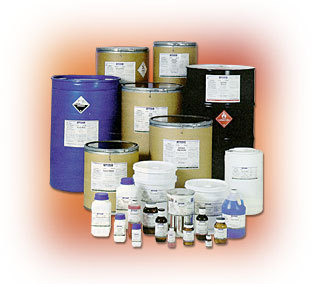
- Sealed in HDPE carboys or glass bottles
- Melting Point
- -63C
- Refractive Index (nD 20oC)
- 1.426
About pyrolidine
Discover the magnificent value of Pyrrolidine (CAS No: 123-75-1), a hot-selling, top-choice heterocyclic organic compound renowned for its sublime quality and 99% purity. Grab yours now for unrivaled performance in laboratory, industrial, and synthesis applications. With a boiling point of 8789C and a melting point of -63C, this colourless to pale yellow liquid is a valuable reagent and intermediate in pharmaceuticals, organic synthesis, and agrochemicals. Supplied in sealed, safe HDPE carboys or glass bottles, its stability and high shelf life ensure dependable research results. Trust this flammable, ammonia-scented compound for exceptional outcomes.
Directions and Applications for Pyrrolidine
For optimal results, use Pyrrolidine strictly as a reagent or starting material in chemical reactions, ensuring safe handling due to its caustic nature. Recommended for research and industrial environments, it is commonly used in the synthesis of pharmaceuticals and agrochemicals. Suitable surfaces for application include reaction vessels made of glass or compatible plastics. Always follow laboratory protocols and wear protective equipment when working with this powerful chemical.
Supply Ability, Packaging & Main Markets
Stock ready for immediate delivery, Pyrrolidine is securely packed in HDPE carboys or glass bottles for safe, compliant transport. Available for fast dispatch throughout India, our distribution network covers all major domestic markets and supports timely freight arrangements. Strict adherence to IMDG, IATA, and ADR regulations ensures the chemicals integrity during shipping, so you receive top-quality product every time.
Directions and Applications for Pyrrolidine
For optimal results, use Pyrrolidine strictly as a reagent or starting material in chemical reactions, ensuring safe handling due to its caustic nature. Recommended for research and industrial environments, it is commonly used in the synthesis of pharmaceuticals and agrochemicals. Suitable surfaces for application include reaction vessels made of glass or compatible plastics. Always follow laboratory protocols and wear protective equipment when working with this powerful chemical.
Supply Ability, Packaging & Main Markets
Stock ready for immediate delivery, Pyrrolidine is securely packed in HDPE carboys or glass bottles for safe, compliant transport. Available for fast dispatch throughout India, our distribution network covers all major domestic markets and supports timely freight arrangements. Strict adherence to IMDG, IATA, and ADR regulations ensures the chemicals integrity during shipping, so you receive top-quality product every time.
FAQs of pyrolidine:
Q: How should Pyrrolidine be stored for maximum shelf life?
A: Pyrrolidine must be stored tightly sealed in a cool, dry, well-ventilated area, away from heat sources and open flames to maintain its quality and safety.Q: What are the primary uses of Pyrrolidine in industrial and research settings?
A: Pyrrolidine is primarily used as an intermediate in the synthesis of organic compounds, pharmaceuticals, and agrochemicals, serving as a starting material or reagent in chemical processes.Q: Where can Pyrrolidine be applied safely during laboratory procedures?
A: It can be safely applied in reaction vessels made of glass or compatible plastics, following standard laboratory chemical handling guidelines and safety procedures.Q: What precautions are necessary when handling Pyrrolidine?
A: Due to its flammable nature and potential to cause severe skin burns and eye damage, it is essential to use proper protective gear, work in a well-ventilated area, and avoid ignition sources.Q: How is Pyrrolidine packaged and transported from the supplier?
A: Pyrrolidine is supplied in sealed HDPE carboys or glass bottles, compliant with rigorous safety standards for transport and delivery under regulated freight conditions.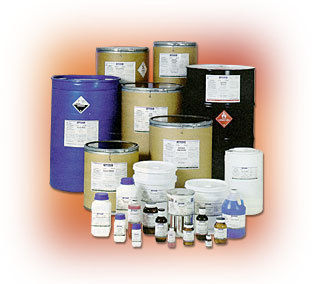
Tell us about your requirement

Price:
Quantity
Select Unit
- 50
- 100
- 200
- 250
- 500
- 1000+
Additional detail
Mobile number
Email

More Products in Solvent Chemical Category
CARBON TETRA CHLORIDE
Other Names : Tetrachloromethane, Perchloromethane, Benzinoform
Storage Instructions : Store in a cool, dry, wellventilated area away from heat and incompatible materials
Application Method : Other, Direct application as a solvent or as prescribed in industrial processes
Best Before : 2 years from date of manufacture
Odour : Sweet, chloroformlike odor
Solubility : Insoluble in water; soluble in ether, alcohol, benzene
Monoethanolamine | C2H7NO | CID 700
Other Names : 2Aminoethanol Ethanolamine
Storage Instructions : Store in a cool dry place in tightly sealed containers away from incompatible substances
Application Method : Other, Incorporation into formulations
Best Before : Ensure storage guidelines are followed for optimal longevity
Odour : Slight ammonialike odor
Solubility : Fully miscible in water and solvents
Sodium metal
Other Names : Natronium
Storage Instructions : Store under oil or inert atmosphere at room temperature
Application Method : Other, Direct chemical reactions
Best Before : Store under inert gas to prevent oxidation
Odour : Odourless
Solubility : Reacts violently with water
Xylidine
Other Names : Dimethylaniline, Xylidene, Dimethylaniline derivative
Storage Instructions : Store in a cool, dry, ventilated place away from heat and sunlight
Application Method : Other, Industrial synthesis; used as starting material or intermediate
Best Before : 24 months from date of manufacture
Odour : Aromatic, Aminelike
Solubility : Slightly soluble in water; soluble in organic solvents

Contact Details
JOSHI AGROCHEM PHARMA PRIVATE LIMITED
GST : 27AAFCJ1227Q1Z8
- 813, Topiwala Center, Opp. Railway Station, Goregaon (West), Mumbai - 400062, Maharashtra, India
- Phone :08045802973
 Send Inquiry
- For Chemicals - Solvents :
Mobile. +918097911779
For Pharma - API's :
Mobile. +918655564472
For Agro - Pesticides :
Mobile. +918080701491
For Metals :
Mobile. +919322422799


Developed and Managed by Infocom Network Private Limited.
