
Call: 08045802973
 Send Inquiry
 Send Inquiry
Mannitol
Mannitol Specification
- Odour
- Odorless
- Molecular Weight
- 182.17 g/mol
- Appearance
- White, Odorless, Crystalline Powder
- Ph Level
- 5.0 - 7.0 (5% solution)
- Storage Instructions
- Store in a cool, dry place, protected from moisture
- Solubility
- Soluble in Water
- Density
- 1.52 Gram per cubic centimeter(g/cm3)
- Chemical Name
- Mannitol
- Other Names
- D-Mannitol, Mannite, Osmitrol
- Classification
- Polyol (Sugar Alcohol)
- CAS No
- 69-65-8
- Type
- Pharmaceutical Grade
- Application
- Pharmaceuticals, Food Additive, Laboratory Reagents, Excipient
- Application Method
- Direct use as excipient or ingredient in formulations
- Raw Material
- Derived from starch or fructose sources
- Physical State
- Powder / Crystalline Solid
- Usage
- Used as a sweetener, diluent, osmotic diuretic
- Shelf Life
- 3 Years
- Purity(%)
- 99% Min
- Best Before
- 36 Months From Date Of Manufacture
- Optical Rotation
- +23 to +25 (in water, 10g/100mL)
- Loss on Drying
- 0.1% max
- GMO Status
- Non-GMO
- Allergen Information
- Allergen Free
- Melting Point
- 165 - 170C
- Reducing Substances
- 0.1% max (as glucose)
- Assay
- 99.0% - 101.5%
- Microbial Limit
- Total plate count < 1000cfu/g
- Chloride Content
- 0.003% max
- Heavy Metals
- < 5 ppm
- Boiling Point
- Approximately 295C (decomposes)
- Packaging Type
- HDPE Bags / Fiber Drum
- Sulfate Content
- 0.01% max
About Mannitol
Select Mannitol for applications demanding Pristine purity and Magnificent versatility. Jump on its highlighted physicochemical attributes: a melting point of 165170C and heroic assay values between 99.0%101.5%. Mannitols loss on drying is exceptionally low, boasting maximum purity and safety below heavy metals at 5 ppm. Widely acknowledged in pharmaceuticals, food additives, and laboratory reagents, this non-GMO, allergen-free excipient shines as a magnificent diluent and osmotic diuretic. Presented in a white, odorless, crystalline powder, Mannitol offers reliable solubility, a heroic shelf life of 36 months, and unrivaled quality for every formulation.
Magnificent Features & Application Sites of Mannitol
Mannitol is highlighted by its pristine quality, non-GMO status, and allergen-free profile, making it a select choice for pharmaceutical, food, and research sectors. Its main site of application spans manufacturing of tablets as a sweetener or excipient, and as an osmotic diuretic in medical settings. Mannitols stability, high purity, and magnificent performance ensure safe integration in pharmaceutical formulations, laboratory reagents, and food production, establishing heroic value across diverse industries.
Delivery, Sampling, and Domestic Market Valuation
Jump on our highlighted Mannitol offer for fast delivery, with drop-off available throughout the main domestic market in India. We provide samples for evaluation, allowing precise valuation before bulk purchases. Our efficient logistics ensure prompt shipment in HDPE bags or fiber drums, meeting the highest standards. Customers selecting Mannitol benefit from streamlined purchasing, quick drop-off, and assured quality, making our product a hero in the Indian supply chain for manufacturers, exporters, and traders.
Magnificent Features & Application Sites of Mannitol
Mannitol is highlighted by its pristine quality, non-GMO status, and allergen-free profile, making it a select choice for pharmaceutical, food, and research sectors. Its main site of application spans manufacturing of tablets as a sweetener or excipient, and as an osmotic diuretic in medical settings. Mannitols stability, high purity, and magnificent performance ensure safe integration in pharmaceutical formulations, laboratory reagents, and food production, establishing heroic value across diverse industries.
Delivery, Sampling, and Domestic Market Valuation
Jump on our highlighted Mannitol offer for fast delivery, with drop-off available throughout the main domestic market in India. We provide samples for evaluation, allowing precise valuation before bulk purchases. Our efficient logistics ensure prompt shipment in HDPE bags or fiber drums, meeting the highest standards. Customers selecting Mannitol benefit from streamlined purchasing, quick drop-off, and assured quality, making our product a hero in the Indian supply chain for manufacturers, exporters, and traders.
FAQs of Mannitol:
Q: How is Mannitol typically used in pharmaceutical formulations?
A: Mannitol is often selected as a diluent, excipient, or osmotic diuretic in pharmaceutical tablets and injectable formulations, providing stability and enhancing the performance of final products.Q: What makes Mannitol highlighted for food additive applications?
A: Its pristine purity, non-GMO status, and allergen-free composition make Mannitol a preferred, magnificent choice for sweetening and bulking in food products without compromising safety or taste.Q: Where is Mannitol sourced from and what is its chemical classification?
A: Mannitol is derived from starch or fructose sources and is classified as a polyol (sugar alcohol), offering excellent solubility and stability for diverse applications.Q: When is Mannitol best used and how should it be stored?
A: Jump on Mannitol for any application requiring high purity and safe excipients. Store this product in a cool, dry place, protected from moisture, to maintain its pristine quality.Q: What is the process for obtaining samples before bulk purchase?
A: We offer sample delivery for valuation and testing purposes, allowing customers to assess Mannitols quality before committing to larger orders, ensuring informed selections.Q: What benefits do pharmaceutical companies gain from using Mannitol?
A: Pharmaceutical companies highlight Mannitols heroically stable, allergen-free properties, ensuring product safety, efficacy, and consistent quality in every batch.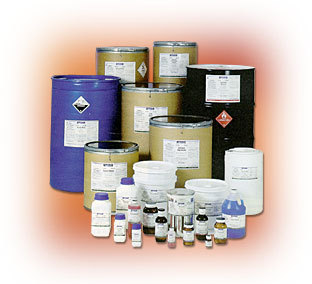
Tell us about your requirement

Price:
Quantity
Select Unit
- 50
- 100
- 200
- 250
- 500
- 1000+
Additional detail
Mobile number
Email

More Products in Solvent Chemical Category
Sodium borohydride
Chemical Name : Sodium Borohydride
Odour : Odourless
CAS No : 16940662
Solubility : Soluble in water ethanol
Shelf Life : 3 years
Appearance : White crystalline powder
Methyl aceto acetate
Chemical Name : Methyl Aceto Acetate
Odour : Pleasant, Fruity
CAS No : 105453
Solubility : Soluble in ethanol, diethyl ether; slightly soluble in water
Shelf Life : 2 Years in Sealed Container
Appearance : Clear, colorless to pale yellow liquid
BISPHENOL-A
Chemical Name : BisphenolA
Odour : Mild phenolic odor
CAS No : 80057
Solubility : Slightly soluble in water; soluble in organic solvents like ethanol, ether, acetone
Shelf Life : 2 years under optimal storage conditions
Appearance : White to offwhite crystalline flakes
ACETIC ACID GLACIAL
Chemical Name : Acetic Acid
Odour : Pungent vinegarlike smell
CAS No : 64197
Solubility : Miscible with water
Shelf Life : Up to 2 years if stored properly
Appearance : Clear colorless liquid

Contact Details
JOSHI AGROCHEM PHARMA PRIVATE LIMITED
GST : 27AAFCJ1227Q1Z8
- 813, Topiwala Center, Opp. Railway Station, Goregaon (West), Mumbai - 400062, Maharashtra, India
- Phone :08045802973
 Send Inquiry
- For Chemicals - Solvents :
Mobile. +918097911779
For Pharma - API's :
Mobile. +918655564472
For Agro - Pesticides :
Mobile. +918080701491
For Metals :
Mobile. +919322422799


Developed and Managed by Infocom Network Private Limited.
