Call: 08045802973
 Send Inquiry
 Send Inquiry
Lithium Chloride
Lithium Chloride Specification
- Properties
- Hygroscopic readily absorbs moisture from air
- Molecular Weight
- 42.39 g/mol
- Density
- 2.07 Gram per cubic centimeter(g/cm3)
- Molecular Formula
- LiCl
- Application
- Dehumidifiers electrolytes in batteries manufacturing of lithium metal flux in aluminum brazing
- Shape
- Crystals or powdered form
- Structural Formula
- Li-Cl
- Refractive Rate
- 1.662
- Appearance
- White crystalline powder or granules
- Ingredients
- Lithium and chlorine in ionic form
- Shelf Life
- Stable under recommended storage conditions
- Usage
- Used in industrial processes chemical synthesis and laboratory reagents
- Ph Level
- Neutral to slightly basic in aqueous solution
- EINECS No
- 231-212-3
- Grade
- Industrial grade Analytical grade
- Storage
- Store in a cool dry place away from moisture and incompatible substances
- Solubility
- Highly soluble in water and soluble in ethanol
- HS Code
- 28272000
- CAS No
- 7447-41-8
- Purity
- 99% or higher
- Taste
- Salty bitter
- Melting Point
- 610 C
- Physical Form
- Crystalline solid
- Poisonous
- YES
- Smell
- Odorless
About Lithium Chloride
We are Contract Manufacturer, Exporter and Distributers of various products. Major All products are available as per specification require by client in all grades. Quality Supply With Customer Satisfaction - Since 1971.FAQs of Lithium Chloride :
Q: What are the main applications of Lithium Chloride?
A: Lithium Chloride is used as dehumidifiers electrolytes in batteries manufacturing, as a flux in aluminum brazing, and in other industrial processes, chemical synthesis, and laboratory reagents.Q: What is the physical form of Lithium Chloride?
A: Lithium Chloride is a crystalline solid that can exist in the form of crystals or powdered granules.Q: Is Lithium Chloride poisonous?
A: Yes, Lithium Chloride is considered poisonous and should be handled with caution.Q: How should Lithium Chloride be stored?
A: Lithium Chloride should be stored in a cool, dry place away from moisture and incompatible substances to maintain its stability.Q: What is the purity level of Lithium Chloride?
A: Lithium Chloride has a purity level of 99% or higher, making it suitable for various industrial and analytical uses.Q: What is the melting point of Lithium Chloride?
A: The melting point of Lithium Chloride is 610C, indicating its stability under high-temperature conditions.Q: In what forms is Lithium Chloride soluble?
A: Lithium Chloride is highly soluble in water and soluble in ethanol, allowing for easy incorporation into various solutions and applications.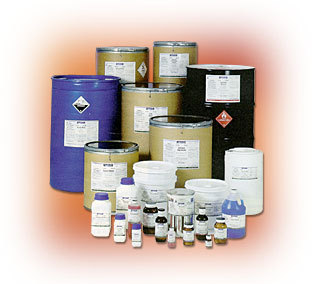
Tell us about your requirement

Price:
Quantity
Select Unit
- 50
- 100
- 200
- 250
- 500
- 1000+
Additional detail
Mobile number
Email

More Products in Chemical Supplies Category
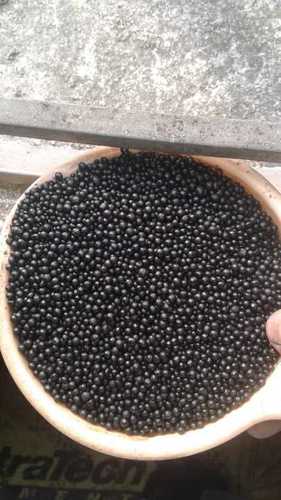
IODINE
Grade : Reagent Grade
Storage : Other, Store in a tight container, away from light and moisture; keep at room temperature
Solubility : Slightly soluble in water, readily soluble in ethanol, carbon tetrachloride, and potassium iodide solutions
Usage : Used as antiseptic, for making iodides, and laboratory reagents
EINECS No : 2314424
Ph Level : Neutral
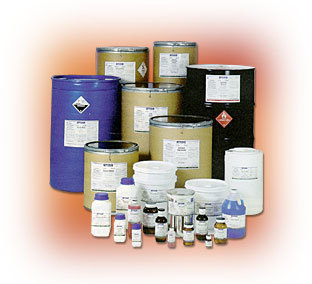
Ethyl pyruvate
Grade : Industrial grade food grade pharmaceutical grade
Storage : Other, Store in a cool dry and wellventilated place away from ignition sources and direct sunlight
Solubility : Miscible with water alcohols and ethers
Usage : Primarily in food and beverage industry chemical synthesis and as an antiinflammatory agent in medical research
EINECS No : 2105149
Ph Level : Neutral to slightly acidic (56)
Ethyl cyanoacetate
Grade : Industrial grade pharmaceutical grade may be available
Storage : Store in a cool dry wellventilated area away from heat and ignition sources tightly closed., Other
Solubility : Slightly soluble in water soluble in organic solvents like ethanol and ether
Usage : Primarily as a chemical intermediate in various industrial processes.
EINECS No : 2033090
Ph Level : Neutral in aqueous solution
HBr Gas in Acetic Acid
Grade : Industrial
Storage : Other, Store in airtight, corrosionresistant containers. Protect from moisture and light. Store away from bases, oxidizing agents, and metals.
Solubility : Miscible in water, very soluble in polar solvents
Usage : Used as a brominating agent in organic chemistry; suitable for generating alkyl bromides and related bromides.
EINECS No : 2331130
Ph Level : <1 (very acidic)

Contact Details
JOSHI AGROCHEM PHARMA PRIVATE LIMITED
GST : 27AAFCJ1227Q1Z8
- 813, Topiwala Center, Opp. Railway Station, Goregaon (West), Mumbai - 400062, Maharashtra, India
- Phone :08045802973
 Send Inquiry
- For Chemicals - Solvents :
Mobile. +918097911779
For Pharma - API's :
Mobile. +918655564472
For Agro - Pesticides :
Mobile. +918080701491
For Metals :
Mobile. +919322422799


Developed and Managed by Infocom Network Private Limited.
