
Call: 08045802973
 Send Inquiry
 Send Inquiry
HBr Gas in Acetic Acid
HBr Gas in Acetic Acid Specification
- Ingredients
- Hydrobromic Acid Gas dissolved in Acetic Acid
- Structural Formula
- HBr dissolved in CH3COOH
- Solubility
- Miscible in water, very soluble in polar solvents
- Application
- Organic synthesis, bromination reactions, pharmaceutical intermediates, laboratory reagents
- Shelf Life
- 12 months if stored properly under recommended conditions.
- Usage
- Used as a brominating agent in organic chemistry; suitable for generating alkyl bromides and related bromides.
- Shape
- N/A (liquid)
- Properties
- Clear, colorless to pale yellow solution with strong hydrogen bromide odor; highly corrosive; releases HBr gas on contact with water or humid air.
- Melting Point
- Below 0°C (solution); HBr gas: -86.9°C
- Grade
- Industrial
- CAS No
- 10035-10-6
- Appearance
- Clear, colorless liquid
- Poisonous
- Yes, toxic by inhalation, ingestion, and skin absorption
- Density
- 1.7 Gram per cubic centimeter(g/cm3)
- Physical Form
- Liquid
- Molecular Weight
- 80.91 (HBr) + 60.05 (Acetic Acid)
- Molecular Formula
- HBr in CH3COOH
- Product Type
- Inorganic Chemical Compound
- Storage
- Store in air-tight, corrosion-resistant containers. Protect from moisture and light. Store away from bases, oxidizing agents, and metals.
- Taste
- Not applicable (corrosive chemical)
- HS Code
- 28111990
- Smell
- Pungent, irritating
- Purity
- 99% (typical); other purities available upon request
- EINECS No
- 233-113-0
- Ph Level
- <1 (very acidic)
- Corrosivity
- Corrosive to skin, eyes, and mucous membranes
- Boiling Point
- Acetic acid: 118°C; solution: varies depending on concentration
- Stability
- Stable under recommended storage conditions; decomposes in presence of moisture
- Concentration
- Typically available as HBr 33% w/w in acetic acid, customized concentrations on request
- Flash Point
- Non-flammable (solution); combustible if acetic acid concentration is high
- Vapor Pressure
- Moderate (acetic acid component); HBr released on exposure to air
- Handling Precautions
- Use only in well-ventilated areas, with appropriate PPE (gloves, goggles, face shield, acid-resistant apron)
- Transport Information
- UN 1788, Hydrobromic Acid, 8, III; ensure compatible packaging and labeling
- Packaging
- Supplied in sealed glass or HDPE bottles, 250 mL to 25 L; bulk packaging available
About HBr Gas in Acetic Acid
We are Contract Manufacturer, Exporter and Distributers of various products. Major All products are available as per specification require by client in all grades. Quality Supply With Customer Satisfaction - Since 1971.Efficient Bromination for Organic Synthesis
HBr Gas in Acetic Acid serves as a highly effective brominating agent in organic chemistry, enabling the synthesis of alkyl bromides and numerous pharmaceutical intermediates. Its high purity and reactivity help streamline processes for laboratories and industry, making it a valuable reagent for precise and reliable bromination reactions.
Safe and Versatile Packaging Options
This product is available in a variety of container sizes, from 250 mL to 25 L, sealed in either glass or HDPE bottles to prevent exposure and decomposition. Bulk packaging is also offered for industrial applications. All packages are clearly labeled, meeting UN 1788 transport requirements for hazardous chemicals.
Recommended Handling and Storage
Due to its corrosive and toxic nature, HBr in Acetic Acid must be handled with gloves, goggles, face shields, and acid-resistant aprons in well-ventilated areas. Store in corrosion-resistant, air-tight containers, protected from moisture and light, and away from incompatible substances to maintain stability and safety for up to 12 months.
FAQs of HBr Gas in Acetic Acid:
Q: How should HBr Gas in Acetic Acid be safely handled during laboratory use?
A: Handle the solution exclusively in well-ventilated areas, wearing gloves, goggles, a face shield, and acid-resistant apron. Avoid contact with skin, eyes, and mucous membranes, and ensure that any surfaces potentially exposed are properly protected and well-marked.Q: What are the primary uses of HBr Gas in Acetic Acid?
A: It is primarily utilized as a brominating agent in organic synthesis, suitable for producing alkyl bromides and other related bromides, as well as in pharmaceutical intermediates and laboratory reagents.Q: When is HBr Gas in Acetic Acid most beneficial in an industrial process?
A: This solution proves especially advantageous when a highly reactive, pure brominating agent is needed for efficient and rapid bromination reactions in industrial-scale organic synthesis or pharmaceutical manufacturing.Q: Where should HBr in Acetic Acid be stored for optimal stability?
A: It should be kept in air-tight, corrosion-resistant containers, away from bases, oxidizing agents, metals, moisture, and direct light. Storage areas must be secure and well-ventilated to ensure product longevity and safety.Q: What precautions should be taken during the transportation of HBr Gas in Acetic Acid?
A: Transport the product using compatible, sealed packaging, clearly labeled according to UN 1788, Hydrobromic Acid, Class 8, Packing Group III. Follow all standard hazardous material guidelines, and ensure containers remain upright and protected from damage.Q: How is HBr Gas in Acetic Acid typically packaged?
A: It is commonly supplied in glass or HDPE bottles ranging from 250 mL up to 25 L, with larger bulk packaging available upon request. Each package is sealed to prevent moisture ingress and product decomposition.Q: What are the benefits of using HBr in Acetic Acid compared to other brominating agents?
A: This product offers high reactivity and selectivity in bromination reactions, with customizable concentrations and reliable purity, making it suitable for a wide range of organic and industrial applications with consistent results.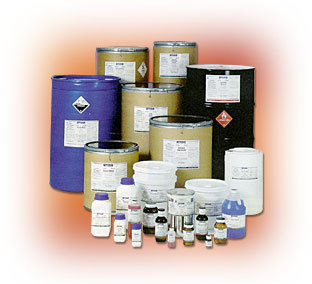
Tell us about your requirement

Price:
Quantity
Select Unit
- 50
- 100
- 200
- 250
- 500
- 1000+
Additional detail
Mobile number
Email

More Products in Chemical Supplies Category
Ortho Chloro Para Nitro Aniline
CAS No : 95852
Grade : Industrial Grade
Density : 1.42 Gram per cubic centimeter(g/cm3)
Poisonous : YES
Appearance : Yellow to orange crystalline powder
Solubility : Slightly soluble in water soluble in alcohol and organic solvents
Phenyl Acetic Acid Potassium Salt
CAS No : 137028
Grade : Industrial and pharmaceutical grade
Density : 1.3 Gram per cubic centimeter(g/cm3)
Poisonous : NO
Appearance : White crystalline powder
Solubility : Soluble in water slightly soluble in ethanol
Industrial Sodium Acetate
CAS No : 127093
Grade : Industrial grade food grade
Density : 1.528 Gram per cubic centimeter(g/cm3)
Poisonous : NO
Appearance : White crystalline powder
Solubility : Highly soluble in water; slightly soluble in alcohol
1-4 Dibromobutane
CAS No : 110521
Grade : Industrial grade
Density : 1.85 Gram per cubic centimeter(g/cm3)
Poisonous : YES
Appearance : Colorless to pale yellow liquid
Solubility : Insoluble in water soluble in organic solvents such as ethanol and acetone

Contact Details
JOSHI AGROCHEM PHARMA PRIVATE LIMITED
GST : 27AAFCJ1227Q1Z8
- 813, Topiwala Center, Opp. Railway Station, Goregaon (West), Mumbai - 400062, Maharashtra, India
- Phone :08045802973
 Send Inquiry
- For Chemicals - Solvents :
Mobile. +918097911779
For Pharma - API's :
Mobile. +918655564472
For Agro - Pesticides :
Mobile. +918080701491
For Metals :
Mobile. +919322422799


Developed and Managed by Infocom Network Private Limited.
