
Call: 08045802973
 Send Inquiry
 Send Inquiry
Hydroquinone
Hydroquinone Specification
- Ph Level
- 5.5 - 7.0 (aqueous solution)
- Appearance
- White Crystalline Powder
- Molecular Weight
- 110.11 g/mol
- Solubility
- Soluble in Water, Alcohol, Ether
- Density
- 1.33 Gram per cubic centimeter(g/cm3)
- Storage Instructions
- Store in tightly sealed containers, away from light and heat
- Odour
- Characteristic, Slightly Phenolic
- Chemical Name
- Hydroquinone
- Other Names
- 1,4-Benzenediol, Quinol, p-Dihydroxybenzene
- Classification
- Organic Compound
- CAS No
- 123-31-9
- Type
- Industrial Grade
- Application
- Photographic Developer, Polymerization Inhibitor, Skin Lightening Agent, Antioxidant
- Application Method
- Direct Addition, Dissolution in Solvent
- Raw Material
- Pure Hydroquinone
- Physical State
- Solid (Crystalline Powder)
- Usage
- Used in Cosmetics, Pharmaceuticals, Photographic Industry, Rubber Industry
- Shelf Life
- 2 Years
- Purity(%)
- 99.0%
- Drying Time
- Depends on application; generally rapid under ambient conditions
- Best Before
- 24 Months from the date of manufacture
- Hazard Identification
- Harmful if swallowed, May cause skin irritation, Handle with care
- Boiling Point
- 285C
- Safety Precautions
- Use gloves and eye protection; avoid inhalation and direct contact
- Export Markets
- Global
- Packaging Type
- Packed in HDPE Drums, Bags or customized packing
- Melting Point
- 171C
- Grade
- Analytical / Technical
- HS Code
- 29072200
- Regulatory Status
- Meets international purity standards
About Hydroquinone
Unlock the peerless potential of Hydroquinone, an analytical and technical grade organic compound, renowned for its top-drawer purity of 99.0%. This remarkable solid crystalline powder, also known as 1,4-Benzenediol, boasts a melting point of 171C and a boiling point of 285C. Procure this globally trusted product, packed safely in HDPE drums or customized packaging. With reduced risks through proper handlinguse gloves and eye protectionHydroquinone shines in cosmetic, pharmaceutical, and industrial realms. It complies with international purity standards, making it the first choice for professionals worldwide.
Hydroquinone: Plant Applications and Material Advantages
Hydroquinone is highly valued in various plant processes, acting as a polymerization inhibitor and antioxidant in rubber and photographic industries. Its superior material featurehigh purity and solubilitymakes it ideal for direct addition or dissolution in solvents. The main advantage lies in its versatility, benefiting cosmetics, pharmaceuticals, and industrial applications. Rely on this top-quality material for consistent results and optimal efficacy in every stage of your plants operations.
Hydroquinone Sample Policy and Export Market Details
We support your needs with a flexible Hydroquinone sample policy and streamlined domestic and international order processes. Our main domestic market is India, with active export markets spanning the globe. Shipments typically depart from premier FOB ports in India, ensuring swift arrival and reliable order completion. Our commitment to excellence guarantees every order meets expectations, underlining our reputation as a leading exporter, manufacturer, supplier, and trader of Hydroquinone.
Hydroquinone: Plant Applications and Material Advantages
Hydroquinone is highly valued in various plant processes, acting as a polymerization inhibitor and antioxidant in rubber and photographic industries. Its superior material featurehigh purity and solubilitymakes it ideal for direct addition or dissolution in solvents. The main advantage lies in its versatility, benefiting cosmetics, pharmaceuticals, and industrial applications. Rely on this top-quality material for consistent results and optimal efficacy in every stage of your plants operations.
Hydroquinone Sample Policy and Export Market Details
We support your needs with a flexible Hydroquinone sample policy and streamlined domestic and international order processes. Our main domestic market is India, with active export markets spanning the globe. Shipments typically depart from premier FOB ports in India, ensuring swift arrival and reliable order completion. Our commitment to excellence guarantees every order meets expectations, underlining our reputation as a leading exporter, manufacturer, supplier, and trader of Hydroquinone.
FAQs of Hydroquinone:
Q: How should Hydroquinone be safely handled in industrial applications?
A: Hydroquinone should be handled with carealways use gloves and eye protection, avoid inhalation and direct skin contact, and store in tightly sealed containers away from light and heat to ensure safety and maintain product quality.Q: What are the main applications of Hydroquinone in various industries?
A: Hydroquinone is widely used as a photographic developer, polymerization inhibitor, antioxidant, and skin lightening agent, making it valuable in the cosmetic, pharmaceutical, rubber, and photographic industries.Q: Where can Hydroquinone be procured for export or domestic use?
A: Hydroquinone can be sourced globally through our network as an exporter, manufacturer, importer, supplier, and trader based in India, ensuring reliable supply for both domestic and export markets.Q: When does Hydroquinone reach its best use timeline?
A: Hydroquinone exhibits optimal performance when used within 24 months from the date of manufacture, provided it is stored according to recommended guidelines to preserve its high purity.Q: What is the process for ordering and receiving Hydroquinone samples?
A: To request Hydroquinone samples, simply contact our sales team; we provide tailored sample policies for both domestic and international clients, with prompt shipment from Indias major FOB ports to ensure timely arrival.Q: How does Hydroquinone benefit plant-based operations and production processes?
A: Hydroquinones high purity and reliable performance as an antioxidant and inhibitor help optimize plant processing, increase production efficiency, and improve the longevity and quality of manufactured products.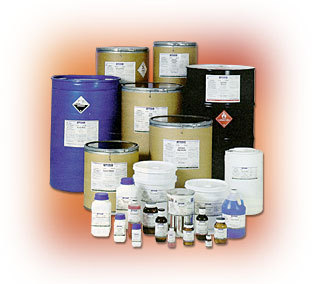
Tell us about your requirement

Price:
Quantity
Select Unit
- 50
- 100
- 200
- 250
- 500
- 1000+
Additional detail
Mobile number
Email

More Products in Solvent Chemical Category
DI ACETONE
Application : Used as solvent in paints, coatings, inks, adhesives, cleaning formulations, and chemical synthesis
Storage Instructions : Store in a cool, wellventilated area, away from sources of ignition and direct sunlight in tightly closed containers
Density : 0.938 Gram per cubic centimeter(g/cm3)
Chemical Name : Diacetone Alcohol
Solubility : Miscible with water, alcohol, and most organic solvents
Shelf Life : 24 Months from manufacturing date
Sodium ethoxide
Application : Pharmaceutical synthesis, Organic synthesis, Catalyst
Storage Instructions : Store in tightly closed containers, under dry inert atmosphere
Density : 0.9 Gram per cubic centimeter(g/cm3)
Chemical Name : Sodium ethoxide
Solubility : Soluble in ethanol, reacts with water
Shelf Life : 24 months
FRUCTOSE
Application : Food & Beverage, Pharmaceuticals, Biochemical Analysis, Cosmetics
Storage Instructions : Store in cool, dry place, away from sunlight
Density : 1.59 Gram per cubic centimeter(g/cm3)
Chemical Name : Fructose
Solubility : Highly soluble in water
Shelf Life : 24 Months
Sodium sulphate
Application : Used in detergents paper and glass manufacturing
Storage Instructions : Store in a dry and cool place
Density : 2.68 Gram per cubic centimeter(g/cm3)
Chemical Name : Sodium sulphate
Solubility : Soluble in water
Shelf Life : Indefinite under proper storage

Contact Details
JOSHI AGROCHEM PHARMA PRIVATE LIMITED
GST : 27AAFCJ1227Q1Z8
- 813, Topiwala Center, Opp. Railway Station, Goregaon (West), Mumbai - 400062, Maharashtra, India
- Phone :08045802973
 Send Inquiry
- For Chemicals - Solvents :
Mobile. +918097911779
For Pharma - API's :
Mobile. +918655564472
For Agro - Pesticides :
Mobile. +918080701491
For Metals :
Mobile. +919322422799


Developed and Managed by Infocom Network Private Limited.
