
Call: 08045802973
 Send Inquiry
 Send Inquiry
GLYCEROL
GLYCEROL Specification
- Ph Level
- Neutral (5.5 7.0)
- Density
- 1.263 Gram per cubic centimeter(g/cm3)
- Appearance
- Clear, Colorless, Syrupy liquid
- Molecular Weight
- 92.09 g/mol
- Odour
- Odorless
- Solubility
- Miscible with water and alcohol
- Storage Instructions
- Store in tightly sealed containers, in a cool, dry place
- Chemical Name
- Glycerol
- Other Names
- Glycerin, 1,2,3-Propanetriol
- Classification
- Polyol, Alcohol
- CAS No
- 56-81-5
- Type
- Pure Compound
- Application
- Pharmaceutical, Cosmetic, Food, Industrial
- Application Method
- Direct addition, Dilution, Formulation
- Raw Material
- Vegetable oils or animal fats
- Physical State
- Liquid
- Usage
- Humectant, Solvent, Emollient, Sweetener
- Shelf Life
- 2 years
- Purity(%)
- 99.5% min
- Drying Time
- Not applicable (non-volatile liquid)
- Best Before
- 2 years from manufacturing date
- Heavy Metals
- <5 ppm
- Microbial Purity
- Complies with pharmacopeia standards (absence of pathogens)
- Transport Information
- Not regulated as dangerous goods
- Melting Point
- 17.8C (64F)
- EC Number
- 200-289-5
- Viscosity
- 1,412 mPas at 20C
- Food Grade
- Yes
- Hazard Class
- Non-hazardous
- Flash Point
- 160C
- Acidity
- 0.005% max
- Packaging Type
- HDPE drums, Carboys, Bottles
- Boiling Point
- 290C (554F)
- Allergen Information
- Allergen free
- UN Number
- UN 1993
- Refractive Index
- 1.4730 at 20C
- Quality Standard
- Meets pharmacopeia standards
- Stability
- Stable under normal conditions
About GLYCEROL
Experience the reduced-risk, top-quality, and pure GLYCEROL, an unassailable choice for pharmaceutical, food, cosmetic, and industrial applications. Renowned for its preeminent purity at 99.5% minimum and pivotal physical attributesclear, colorless, syrupy liquid with a neutral pHGLYCEROL meets strict pharmacopeia standards. It is odorless, allergen-free, and stable, with heavy metals less than 5 ppm. Get It Now in HDPE drums, carboys, or bottles, sourced from premium vegetable or animal origins. Its multifaceted roles include humectant, solvent, emollient, and sweetener, supporting your precise formulation needs.
Versatile Application & Advantages of GLYCEROL
GLYCEROL adapts seamlessly to diverse industries through direct addition, dilution, or advanced formulation methods. Widely used by pharmaceutical, cosmetic, food, and industrial sectors, it provides unchallenged advantages as a humectant, solvent, emollient, and sweetener. Professionals trust it not only for its efficacy but also for its safety profilebeing non-hazardous, neutral, and allergen-freemaking it pivotal in the production of high-quality, reliable products.
GLYCEROL Samples, Supply & Shipment Details
Sample availability ensures you can evaluate GLYCEROLs quality before initiating large-scale exchange. Robust supply ability means your order processing is efficient and uninterrupted, whether you require small or bulk quantities. With a prominent FOB port in India, shipment is streamlined for domestic and global clients. Rely on timely support and a responsive team to manage your requests, ensuring delivery and logistics operate smoothly throughout your procurement journey.
Versatile Application & Advantages of GLYCEROL
GLYCEROL adapts seamlessly to diverse industries through direct addition, dilution, or advanced formulation methods. Widely used by pharmaceutical, cosmetic, food, and industrial sectors, it provides unchallenged advantages as a humectant, solvent, emollient, and sweetener. Professionals trust it not only for its efficacy but also for its safety profilebeing non-hazardous, neutral, and allergen-freemaking it pivotal in the production of high-quality, reliable products.
GLYCEROL Samples, Supply & Shipment Details
Sample availability ensures you can evaluate GLYCEROLs quality before initiating large-scale exchange. Robust supply ability means your order processing is efficient and uninterrupted, whether you require small or bulk quantities. With a prominent FOB port in India, shipment is streamlined for domestic and global clients. Rely on timely support and a responsive team to manage your requests, ensuring delivery and logistics operate smoothly throughout your procurement journey.
FAQs of GLYCEROL:
Q: How is GLYCEROL used in pharmaceutical, food, and cosmetic applications?
A: GLYCEROL is primarily used as a humectant, solvent, emollient, and sweetener in formulations across these industries. It can be directly added, diluted, or incorporated into formulations depending on the specific application requirements.Q: What sets GLYCEROL apart from similar compounds?
A: GLYCEROL is recognized for its high purity (99.5% min), absence of allergens, compliance with pharmacopeia standards, and non-hazardous classification, making it a preeminent and reliable choice for sensitive industrial, pharmaceutical, and food applications.Q: Where is GLYCEROL typically stored, and what are the recommended storage conditions?
A: GLYCEROL should be stored in tightly sealed containers in a cool, dry place to maintain its stability and quality. Proper storage ensures its two-year shelf life and prevents contamination or degradation.Q: What packaging types are available for GLYCEROL shipments?
A: GLYCEROL is available in HDPE drums, carboys, and bottles, offering flexibility for different scales of use, whether for laboratory sampling, industrial manufacturing, or bulk processing.Q: How can I order GLYCEROL samples and what is the process for shipment?
A: You can request samples for preliminary evaluation before placing a larger order. The streamlined order processing system ensures timely shipment, with goods dispatched from a key FOB port in India to reach both domestic and international destinations efficiently.Q: What is the benefit of using GLYCEROL in food and personal care products?
A: GLYCEROL acts as an effective humectant and moisture-retainer, enhancing product texture, stability, and shelf life. Its neutral pH and allergen-free status make it suitable for sensitive applications in food and personal care industries.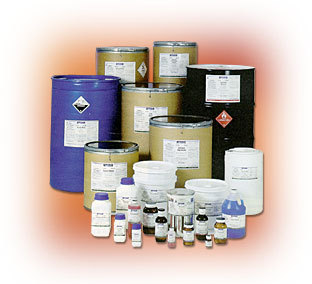
Tell us about your requirement

Price:
Quantity
Select Unit
- 50
- 100
- 200
- 250
- 500
- 1000+
Additional detail
Mobile number
Email

More Products in Solvent Chemical Category
Sodium nitrite
Solubility : Highly soluble in water
Usage : Preservation, chemical synthesis, industrial processing
Density : 2.17 Gram per cubic centimeter(g/cm3)
Other Names : Nitrous acid sodium salt, E250, NaNO2
Type : Other , Analytical Reagent, Technical, Food Grade
Storage Instructions : Store in cool, dry place away from direct sunlight in tightly closed containers
ETHYL ACETO ACETATE
Solubility : Soluble in water and ethanol
Usage : Used in industries like pharmaceuticals dyes and agrochemicals
Density : 1.03 Gram per cubic centimeter(g/cm3)
Other Names : EAA Ethyl 3oxobutanoate
Type : Other , Chemical Intermediate
Storage Instructions : Store in a cool dry place away from sources of ignition
GLUCOSE
Solubility : Soluble in water
Usage : Used in food and beverages as a sweetener and energy source in pharmaceuticals as an excipient
Density : 1.54 Gram per cubic centimeter(g/cm3)
Other Names : Dextrose grape sugar
Type : Other , Crystalline powder
Storage Instructions : Store in a cool dry place away from moisture
Phosphoric acid
Solubility : Soluble in water
Usage : Used as a food additive fertilizer and cleaning agent
Density : 1.685 Gram per cubic centimeter(g/cm3)
Other Names : Orthophosphoric acid
Type : Other , Chemical compound
Storage Instructions : Store in a cool and dry place tightly closed container

Contact Details
JOSHI AGROCHEM PHARMA PRIVATE LIMITED
GST : 27AAFCJ1227Q1Z8
- 813, Topiwala Center, Opp. Railway Station, Goregaon (West), Mumbai - 400062, Maharashtra, India
- Phone :08045802973
 Send Inquiry
- For Chemicals - Solvents :
Mobile. +918097911779
For Pharma - API's :
Mobile. +918655564472
For Agro - Pesticides :
Mobile. +918080701491
For Metals :
Mobile. +919322422799


Developed and Managed by Infocom Network Private Limited.
