
Call: 08045802973
 Send Inquiry
 Send Inquiry
Fenpropathrin
Fenpropathrin Specification
- Molecular Formula
- C17H19NO3
- Appearance
- Yellow to brown liquid or solid
- Ph Level
- 5.0-7.0 (1% aqueous solution)
- Shape
- Liquid formulation or crystalline solid
- Smell
- Slight characteristic odor
- EINECS No
- 254-484-5
- Density
- 1.14 Gram per cubic centimeter(g/cm3)
- Moisture (%)
- 0.5%
- Water Content Vol%
- 0.5% (as technical)
- Purity(%)
- 95% (technical grade)
- Melting Point
- 46-49C (technical)
- CAS No
- 39515-41-8
- Properties
- Non-systemic pyrethroid with contact and stomach action
- Ash %
- 0.3% (as technical)
- Color
- Yellow to brown
- State
- Liquid (emulsifiable concentrate), or Solid (technical)
- Grade
- Industrial / Agrochemical
- Place of Origin
- China
- Product Name
- Fenpropathrin
- Active Ingredient
- Fenpropathrin 95% TC, 10% EC or as specified
- Toxicity
- Moderate (WHO Class II)
- Usage
- Control of mites and insect pests in fruit, vegetables, and cotton
- Hazard Statement
- Harmful if swallowed or in contact with skin
- Packaging
- 25 kg fiber drum or as required
- Boiling Point
- Decomposes before boiling
- Stability
- Stable under recommended storage conditions
- Flash Point
- >100C
- Solubility
- Insoluble in water; soluble in organic solvents (acetone, xylene, etc.)
- Mode of Action
- Affects sodium channel regulation in nerve cells
- Common Formulations
- 10% EC, 30% EC, 95% TC
- Molecular Weight
- 285.34 g/mol
- Storage Conditions
- Store in a cool, dry, well-ventilated place, away from sunlight and incompatible substances
- Shelf Life
- 2 years (unopened, original packaging)
Fenpropathrin Trade Information
- Supply Ability
- 1000 Per Month
- Delivery Time
- 7 Days
About Fenpropathrin
JOSHI AGRO & PESTICIDES offers wide range of INSECTICIDES - PESTICIDES - FUNGISCIDES - WEEDICIDES - HERBICIDES for all Crops. Contract Manufacturer - exporter distributers. All grades available in Technical and Bulk Formulation also in small ready to spray pack.Rapid Pest Control with Fenpropathrin
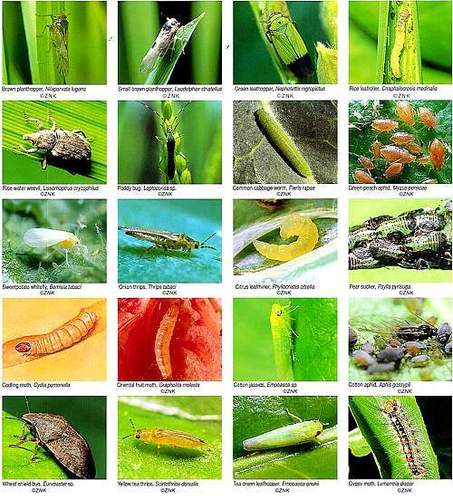
Fenpropathrin targets a broad spectrum of mites and insect pests across various crops, particularly in fruit orchards, vegetable fields, and cotton plantations. Its potent mode of action, by affecting nerve cell sodium channels, provides swift and reliable protection. This solution is favored for its dual contact and stomach activity, which enhances its overall pest management effectiveness and reduces the need for repeated treatments.
Versatile Formulations and Safe Application
Available as both technical crystalline solid and emulsifiable liquid concentratates (10% EC, 30% EC, 95% TC), Fenpropathrin offers flexible application options to suit varying agricultural practices. Ensure proper dilution according to label recommendations for optimal results. Store the product in original packaging, in cool and ventilated spaces, to maintain its stability and extend shelf life.
FAQs of Fenpropathrin:
Q: How should Fenpropathrin be applied to crops for maximum effectiveness?
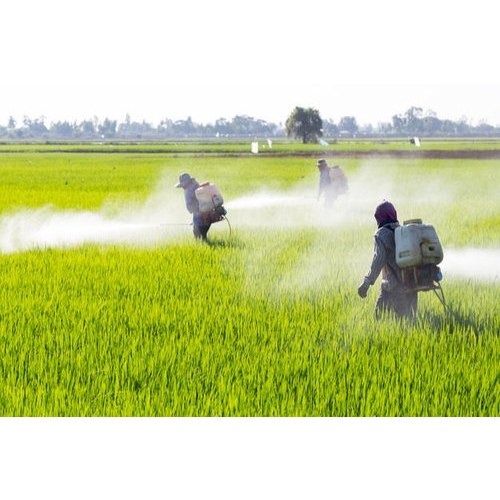
A: Fenpropathrin should be diluted according to the recommended concentration on the product label and sprayed directly onto infested crops. Apply uniformly to target areas, ensuring thorough coverage for best contact and ingestion action against pests.Q: What pests and crops is Fenpropathrin most commonly used for?
A: Fenpropathrin is regularly used to manage mites and various insect pests on fruits (like apples and citrus), vegetables (such as tomatoes and beans), and cotton. Its broad spectrum ensures comprehensive crop protection.Q: When is the best time to use Fenpropathrin during the growing season?
A: For optimal results, apply Fenpropathrin at the first observation of pest infestation or as a preventive measure during periods of peak pest activity, adhering to local agricultural extension guidelines.Q: Where should Fenpropathrin be stored to maintain its shelf life?
A: Store Fenpropathrin in a cool, dry, and well-ventilated area, away from direct sunlight and incompatible substances. Always keep it tightly sealed in its original packaging to maintain product stability.Q: What is the process for safely handling and disposing of Fenpropathrin?
A: Use protective equipment such as gloves and masks when handling Fenpropathrin. After application, avoid contaminating water sources. Dispose of empty containers and residues in accordance with local regulations to minimize environmental impact.Q: What are the main benefits of using Fenpropathrin in pest management?
A: Fenpropathrin provides fast-acting, reliable control of mites and insect pests, helping to improve crop yield and quality. Its rapid action and versatility in formulations make it a preferred choice for growers seeking efficient pest management.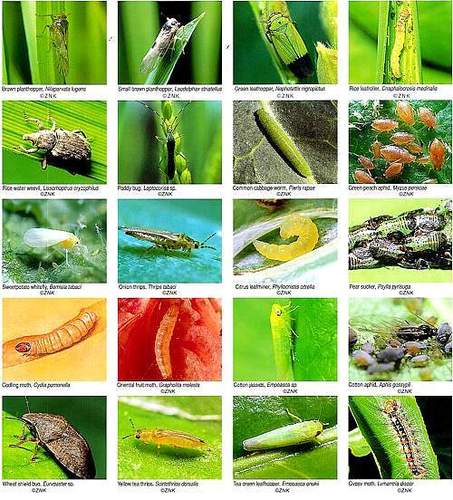
Tell us about your requirement

Price:
Quantity
Select Unit
- 50
- 100
- 200
- 250
- 500
- 1000+
Additional detail
Mobile number
Email

More Products in Insecticides Pesticides Category

Spirotetramat 11.01 % + Imidacloprid 11.01% SC
Minimum Order Quantity : 25 Kilograms
Place of Origin : India
Color : Offwhite to light beige
Grade : AGRICULTURE
State : Other, Liquid Suspension Concentrate
Purity(%) : Technical grade composition: each active ingredient 11.01%

Picoxystrobin 6.78% +Tricyclazole 20.33% SC
Minimum Order Quantity : 25 Kilograms
Place of Origin : India
Color : Offwhite to light beige
Grade : Agricultural Grade
State : Liquid
Purity(%) : > 92%
CAPTAN 70%+ HEXACONAZOLE 5% WP
Minimum Order Quantity : 25 Kilograms
Place of Origin : India
Color : Offwhite to cream
Grade : AGRICULTURE
State : Other
Purity(%) : >= 75%
Sulphur Dust
Place of Origin : India
Color : Yellow
Grade : Technical Grade
State : Powder
Purity(%) : 99.5% min

Contact Details
JOSHI AGROCHEM PHARMA PRIVATE LIMITED
GST : 27AAFCJ1227Q1Z8
- 813, Topiwala Center, Opp. Railway Station, Goregaon (West), Mumbai - 400062, Maharashtra, India
- Phone :08045802973
 Send Inquiry
- For Chemicals - Solvents :
Mobile. +918097911779
For Pharma - API's :
Mobile. +918655564472
For Agro - Pesticides :
Mobile. +918080701491
For Metals :
Mobile. +919322422799


Developed and Managed by Infocom Network Private Limited.
