Call: 08045802973
 Send Inquiry
 Send Inquiry
Deltamethrin 2.5% WP / 2.8% EC
MOQ : 25 Kilograms
Deltamethrin 2.5% WP / 2.8% EC Specification
- Place of Origin
- India
- Ash %
- 2.0 (WP)
- Smell
- Mild
- Purity(%)
- 98% (technical grade)
- EINECS No
- 258-256-6
- Active Ingredient
- Deltamethrin 2.5% (WP) / 2.8% (EC)
- Appearance
- other
- Product Name
- Deltamethrin 2.5% WP / 2.8% EC
- Classification
- Synthetic pyrethroid insecticide
- Water Content Vol%
- 1.0% (WP)
- Ph Level
- 5.0-7.0 (1% solution, WP)
- Grade
- Agricultural / Industrial Grade
- Color
- White (WP), Pale yellow (EC)
- Molecular Formula
- C22H19Br2NO3
- Properties
- Highly effective contact and stomach insecticide, residual action, wide-spectrum control, low dosage
- State
- Other
- Moisture (%)
- 1.0 (WP)
- CAS No
- 52918-63-5
- Density
- 1.27 Gram per cubic centimeter(g/cm3)
- Proportional Valve
- As per requirement
- Shape
- other
- Melting Point
- 101-103C
- Usage
- Used for control of insects in agriculture and public health applications
- Shelf Life
- 2 years in original unopened packaging
- Formulation Type
- Wettable Powder (WP) / Emulsifiable Concentrate (EC)
- Packaging
- 25kg drum (WP), 1L / 5L / 20L cans (EC)
- Stability
- Stable under normal temperatures and pressures
- Toxicity
- Low mammalian toxicity, highly toxic to fish and aquatic organisms
- Flash Point
- >62C (EC)
- Compatibility
- Compatible with most pesticides and fertilizers
- Solubility
- Soluble in organic solvents, insoluble in water (technical)
Deltamethrin 2.5% WP / 2.8% EC Trade Information
- Minimum Order Quantity
- 25 Kilograms
- Supply Ability
- 1000 Kilograms Per Month
- Delivery Time
- 7 Days
About Deltamethrin 2.5% WP / 2.8% EC
Deltamethrin (in both 2.5% WP and 2.8% EC formulations) is a highly potent, broad-spectrum synthetic pyrethroid insecticide and pesticide used extensively in agriculture, public health, and stored-grain management.- Broad-Spectrum Control: Effective against a wide range of insects, including caterpillars (Lepidoptera), beetles (Coleoptera), bugs, aphids, thrips, and whiteflies.
- Rapid Knockdown Action: Acts almost immediately upon contact, paralyzing and killing insects quickly.
- Dual Action (Contact & Stomach): Kills pests when they touch the treated surface or consume treated foliage.
- Long-Lasting Residual Activity: Provides extended protection for a period after application, reducing the need for frequent re-sprays.
- High Potency at Low Dosages: Very effective even in small quantities, making it cost-effective.
- Rain-fast Properties: Many formulations resist washing off easily during rain once dry.
- Anti-feedant and Repellent Action: Prevents pests from further feeding and damages crops
- Deltamethrin 2.5% WP (Wettable Powder): Often preferred for indoor residual spraying (IRS), stored grain protection, and godown fumigation. It mixes easily with water for surface treatment.
- Deltamethrin 2.8% EC (Emulsifiable Concentrate): Mostly used as a foliar spray in fields for crops like cotton, vegetables, fruits, and tea. It forms a stable emulsion for uniform coverage.
- Crop Protection: Bollworms, stem borers, fruit borers, and leaf folders in cotton, rice, vegetables, and fruit crops.
- Stored Grain Protection: Controls weevils, beetles, and moths in warehouses and silos.
- Public Health: Controls mosquitoes, flies, and cockroaches.
- Non-Systemic: It does not enter the plant's vascular system; it works on the surface where applied.
- Toxicity: While safe for crops when used as directed, it is highly toxic to bees and aquatic life.
- Compatibility: Generally compatible with most insecticides and fungicides, except those that are alkaline.
Versatile Insect Control Solution
Deltamethrin 2.5% WP / 2.8% EC provides comprehensive protection against a wide range of insect pests in both agricultural and public health settings. Its strong residual activity ensures lasting performance, while its low mammalian toxicity contributes to user safety when handled as directed. The product comes in wettable powder and emulsifiable concentrate forms, suitable for different application preferences and requirements.
Easy Application and Compatibility
Designed for convenience, Deltamethrin is available as a wettable powder in 25kg drums and as an emulsifiable concentrate in various can sizes including 1L, 5L, and 20L. The product is highly compatible with most pesticides and fertilizers, allowing it to be integrated seamlessly into existing crop protection routines. With a recommended pH range of 5.0-7.0 for solutions, Deltamethrin maintains optimal stability and effectiveness.
FAQ's of Deltamethrin 2.5% WP / 2.8% EC:
Q: How should Deltamethrin 2.5% WP / 2.8% EC be applied for best results?
A: For effective pest control, apply the wettable powder (WP) by preparing a suspension in water and spraying it over affected areas. The emulsifiable concentrate (EC) should be diluted as per the label instructions before spraying. Ensure even coverage of crops or surfaces for optimal insecticidal action.Q: What types of pests does Deltamethrin target?
A: Deltamethrin 2.5% WP / 2.8% EC is effective against a wide variety of insect pests including aphids, beetles, moths, flies, and mosquitoes. It offers both contact and stomach action, making it suitable for controlling insects in agricultural crops and in public health environments.Q: When is the best time to use Deltamethrin for pest control?
A: Deltamethrin should be applied at the first sign of insect infestation or as part of a preventive program. Application should be avoided during heavy rains or times when beneficial pollinators are most active to minimize potential environmental impact.Q: Where can Deltamethrin 2.5% WP / 2.8% EC be used?
A: This product is suitable for use in agricultural fields, greenhouses, storage facilities, and for public health applications such as mosquito control in residential or commercial environments. Always follow local guidelines and application recommendations for safe use.Q: What are the main benefits of using Deltamethrin formulations?
A: Deltamethrin offers rapid knockdown and residual control of a broad insect spectrum, low application rates, stability under normal conditions, and compatibility with other agrochemicals. Its low toxicity to mammals also enhances user and crop safety.Q: How should Deltamethrin be stored and handled?
A: Keep Deltamethrin in its original, unopened packaging in a cool, dry place away from direct sunlight and heat sources. Avoid contamination with water (especially for technical and EC forms) and always use personal protective equipment during handling.Q: Is Deltamethrin safe for aquatic environments?
A: Deltamethrin is highly toxic to fish and aquatic organisms. Care should be taken to prevent contamination of water bodies, and avoid application near streams, ponds, or other aquatic habitats.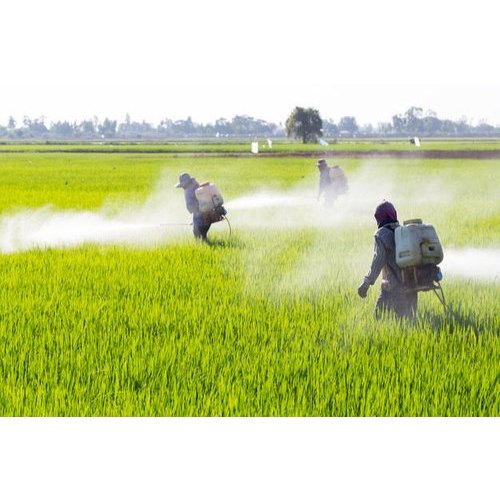
Tell us about your requirement

Price:
Quantity
Select Unit
- 50
- 100
- 200
- 250
- 500
- 1000+
Additional detail
Mobile number
Email

More Products in Insecticides Pesticides Category

Hexythiazox 3.5% + Diafenthiuron 42% WDG
Minimum Order Quantity : 25 Kilograms
Grade : agriculture grade
State : Other, Granular (WDG)
Purity(%) : >95%
Place of Origin : India
Product Name : Hexythiazox 3.5% + Diafenthiuron 42% WDG

Tebuconazole 15% + Zineb 57% WDG
Minimum Order Quantity : 25 Kilograms
Grade : Agricultural Grade
State : Other, Granular (Water Dispersible Granule WDG)
Purity(%) : Tebuconazole 15% + Zineb 57%
Place of Origin : India
Product Name : Tebuconazole 15% + Zineb 57% WDG

Pencycuron 22.9 % SC
Minimum Order Quantity : 25 Kilograms
Grade : Technical Grade
State : Liquid
Purity(%) : 22.9% w/w
Place of Origin : India
Product Name : Pencycuron 22.9 % SC

Metsulfuron Methyl 10% + Chlorimuron Ethyl 10% WP
Minimum Order Quantity : 25 Kilograms
Grade : Agricultural Grade
State : Powder
Purity(%) : >= 98% (Technical Grade)
Place of Origin : India
Product Name : Metsulfuron Methyl 10% + Chlorimuron Ethyl 10% WP

Contact Details
JOSHI AGROCHEM PHARMA PRIVATE LIMITED
GST : 27AAFCJ1227Q1Z8
- 813, Topiwala Center, Opp. Railway Station, Goregaon (West), Mumbai - 400062, Maharashtra, India
- Phone :08045802973
 Send Inquiry
- For Chemicals - Solvents :
Mobile. +918097911779
For Pharma - API's :
Mobile. +918655564472
For Agro - Pesticides :
Mobile. +918080701491
For Metals :
Mobile. +919322422799


Developed and Managed by Infocom Network Private Limited.
