Call: 08045802973
 Send Inquiry
 Send Inquiry
Chlorpyrifos
Chlorpyrifos Specification
- CAS No
- 2921-88-2
- Purity(%)
- 95%
- Water Content Vol%
- Max 0.5%
- State
- Liquid
- Properties
- Organophosphate insecticide, broad-spectrum activity
- Place of Origin
- India
- Active Ingredient
- Chlorpyrifos 48% EC
- Smell
- Characteristic odor
- Ash %
- 0.3%
- Melting Point
- 4142C
- Moisture (%)
- 0.5%
- EINECS No
- 220-864-4
- Grade
- Technical Grade
- Color
- Pale yellow
- Molecular Formula
- C9H11Cl3NO3PS
- Density
- 1.45 Gram per cubic centimeter(g/cm3)
- Product Name
- Chlorpyrifos
- Shape
- Liquid
- Ph Level
- 4.57.0
- Appearance
- Clear to pale yellow liquid
- Vapor Pressure
- 2.5 105 mmHg (25C)
- Stability
- Stable under normal storage conditions
- Usage
- Used for the control of insect pests in crops such as rice, cotton, maize, and vegetables
- Solubility
- Insoluble in water, soluble in organic solvents
- Formulation
- Emulsifiable Concentrate (EC)
- Flash Point
- 79C
- Boiling Point
- 160C at 0.2 mmHg
- Packaging
- Available in 200 L drum, 1 L, 5 L, 20 L containers
- Shelf Life
- 2 years
- Toxicity
- Harmful if swallowed, toxic to aquatic life
- Storage Conditions
- Store in cool, dry, well-ventilated area
Chlorpyrifos Trade Information
- Supply Ability
- 1000 Per Month
- Delivery Time
- 7 Days
About Chlorpyrifos
"JOSHI AGRO & PESTICIDES" offers wide range of INSECTICIDES - PESTICIDES - FUNGISCIDES - WEEDICIDES - HERBICIDES for all Crops. Contract Manufacturer - exporter distributers. All grades available in Technical and Bulk Formulation also in small ready to spray pack.Broad-Spectrum Pest Control Efficiency
Chlorpyrifos offers efficient control of numerous insect pests affecting fields of rice, maize, cotton, and vegetables. By targeting a wide range of pests, this organophosphate insecticide supports higher crop productivity and quality harvests, reducing the risk of pest-related crop damage. Its reliable action is recognized across agricultural industries worldwide.
Product Handling and Storage Guidelines
The liquid, pale yellow Chlorpyrifos must be stored in a cool, dry, and well-ventilated area. This ensures the product remains stable and effective throughout its 2-year shelf life. Adhering to recommended storage conditions and using appropriate containers such as 1 L, 5 L, 20 L, or 200 L drums prevents degradation and maintains product safety.
Formulation and Application Advantages
This technical grade insecticide is formulated as an emulsifiable concentrate (EC), enhancing application on crops and facilitating precise pest control. Its solubility in organic solvents allows easy mixing, while the targeted active ingredient concentration ensures robust efficacy in field treatments against destructive pests.
FAQs of Chlorpyrifos:
Q: How should Chlorpyrifos be stored to retain its effectiveness?
A: Chlorpyrifos should be stored in a cool, dry, and well-ventilated area, away from direct sunlight and sources of moisture. This ensures optimal stability and maintains its insecticidal properties for up to two years.Q: What is the recommended process for applying Chlorpyrifos in crop protection?
A: Chlorpyrifos is commonly applied as a spray after dilution in organic solvents, thanks to its emulsifiable concentrate (EC) formulation. It should be precisely dosed according to crop and pest type, following safety guidelines to maximize effectiveness and minimize risk.Q: When is the best time to use Chlorpyrifos on crops?
A: Chlorpyrifos is most effective when used during periods of active pest infestation, typically early in the crop growth cycle or when insect pest signs first become noticeable. Timely application helps mitigate pest damage and supports healthy crop development.Q: Where is Chlorpyrifos typically utilized in agriculture?
A: Chlorpyrifos is widely used on farms and agricultural fields where crops such as rice, cotton, maize, and vegetables are grown. Its broad-spectrum activity makes it suitable for diverse agricultural environments.Q: What are the main benefits of using Chlorpyrifos for farmers?
A: Key benefits include proven efficacy against a variety of insect pests, improved crop yields, and decreased economic losses due to pest damage. Its broad spectrum of action provides reliable protection through targeted application.Q: How does Chlorpyrifos contribute to pest management?
A: Chlorpyrifos acts by disrupting the nervous system of insects, leading to effective pest control. Its broad-spectrum profile allows it to manage multiple pest species, making it a valuable tool in integrated pest management strategies.Q: What safety precautions should be taken during Chlorpyrifos handling and usage?
A: Farmers should use protective equipment, avoid inhalation or ingestion, and ensure proper storage away from water sources, as the product is toxic to aquatic life and can be harmful if swallowed.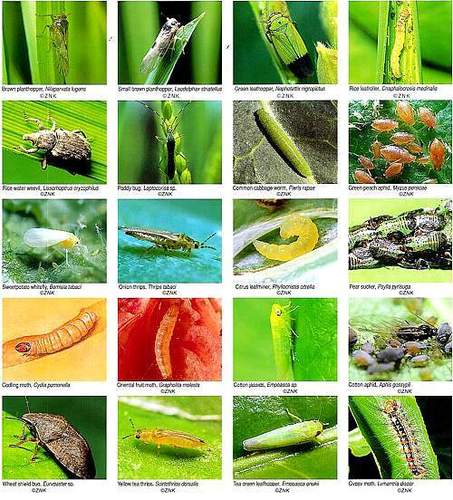
Tell us about your requirement

Price:
Quantity
Select Unit
- 50
- 100
- 200
- 250
- 500
- 1000+
Additional detail
Mobile number
Email

More Products in Insecticides Pesticides Category

Flubendiamide 4% + Buprofenzin 20% SC
Purity(%) : >96% (active ingredients combined)
CAS No : 272451657 (Flubendiamide); 69327760 (Buprofezin)
Properties : Highly effective against Lepidoptera and Hemiptera larvae; controls key pests in rice and vegetables; acts by inhibiting ryanodine receptors (Flubendiamide) and chitin biosynthesis (Buprofezin)
Place of Origin : India
Active Ingredient : Flubendiamide 4% w/w, Buprofezin 20% w/w
State : Other, Liquid Suspension Concentrate (SC)
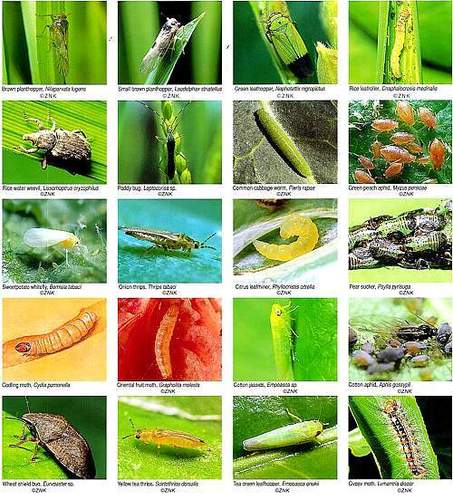
Cypermethrin 10%EC
Purity(%) : 98%
CAS No : 52315078
Properties : High stability, effective against a broad range of insects
Place of Origin : India
Active Ingredient : Cypermethrin 10% EC
State : Liquid
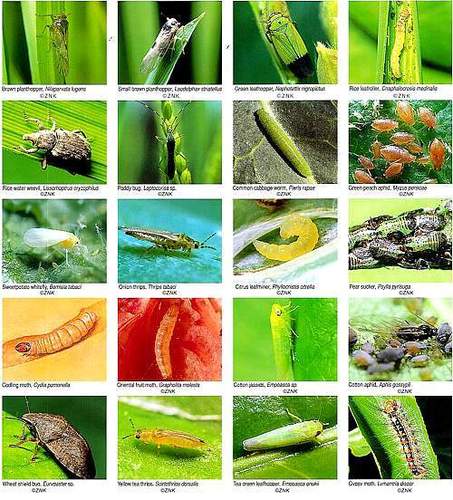
Diuron
Purity(%) : 98%
CAS No : 330541
Properties : Contact and residual herbicide for preemergence and postemergence use in crops
Place of Origin : Made in China
Active Ingredient : Diuron 98% TC
State : Powder
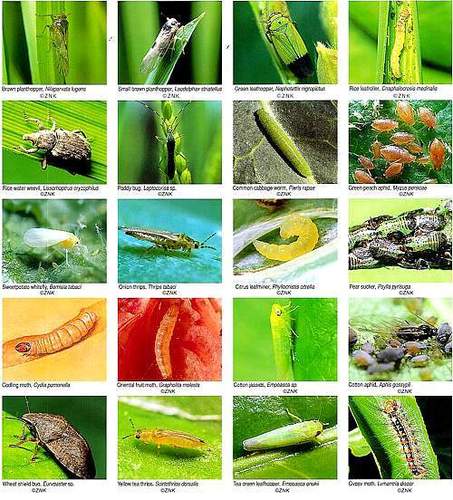
MITES Pesticide Insecticides
Purity(%) : 97%
CAS No : 301020
Properties : Effectively controls mites infestation; broad spectrum activity; easy to apply
Place of Origin : India
Active Ingredient : Abamectin
State : Liquid

Contact Details
JOSHI AGROCHEM PHARMA PRIVATE LIMITED
GST : 27AAFCJ1227Q1Z8
- 813, Topiwala Center, Opp. Railway Station, Goregaon (West), Mumbai - 400062, Maharashtra, India
- Phone :08045802973
 Send Inquiry
- For Chemicals - Solvents :
Mobile. +918097911779
For Pharma - API's :
Mobile. +918655564472
For Agro - Pesticides :
Mobile. +918080701491
For Metals :
Mobile. +919322422799


Developed and Managed by Infocom Network Private Limited.
