Call: 08045802973
 Send Inquiry
 Send Inquiry
Carbosulfan
Carbosulfan Specification
- EINECS No
- 259-563-6
- Density
- 1.16 Gram per cubic centimeter(g/cm3)
- Properties
- Non-volatile, slight solubility in water, stable under recommended storage conditions
- Moisture (%)
- 0.5%
- Smell
- Faint aromatic odor
- Purity(%)
- 95%
- Molecular Formula
- C20H32N2O3S
- Ph Level
- 6.0-7.0 (1% suspension)
- Place of Origin
- India
- State
- Solid
- Appearance
- White to off-white crystalline powder
- CAS No
- 55285-14-8
- Product Name
- Carbosulfan
- Active Ingredient
- Carbosulfan
- Color
- White to off-white
- Shape
- Powder
- Melting Point
- 40-41C
- Ash %
- 0.2%
- Grade
- Technical
- Water Content Vol%
- 0.5%
- Compatibility
- Compatible with most pesticides except alkaline materials
- Storage Conditions
- Store in cool, dry, and well-ventilated place
- Boiling Point
- N/A - decomposes
- Application
- Used for control of a wide range of insects in agriculture
- Packaging
- Available in HDPE drums, 200L
- Flash Point
- >90C
- Shelf Life
- 2 years under storage conditions
- Toxicity
- Moderately toxic
- Mode of Action
- Contact and stomach action
- Solubility in Water
- Low
Carbosulfan Trade Information
- Supply Ability
- 1000 Per Month
- Delivery Time
- 7 Days
About Carbosulfan
Carbosulfan
"JOSHI AGRO & PESTICIDES" offers wide range of INSECTICIDES - PESTICIDES - FUNGISCIDES - WEEDICIDES - HERBICIDES for all Crops. Contract Manufacturer - exporter distributers. All grades available in Technical and Bulk Formulation also in small ready to spray pack.
Effective Insect Control for Agriculture
Carbosulfan is trusted for its robust performance against a wide range of crop-damaging insects. Its dual mode of action contact and ingestion ensures comprehensive pest management across various agricultural applications. Growers benefit from minimized insect resistance, improved crop quality, and enhanced yields. It seamlessly integrates into existing pest control programs, offering reliable protection for farms, plantations, and horticultural establishments.
Product Handling and Storage Guidelines
To maximize shelf life and maintain efficacy, Carbosulfan should be stored in a cool, dry, and well-ventilated place, away from direct sunlight. Use only in secure environments with suitable protective equipment. It comes in HDPE drums of 200 liters, essential for bulk handling by manufacturers, exporters, and importers. Proper storage ensures product stability and reduces risks associated with accidental exposure or degradation.
FAQs of Carbosulfan:
Q: How should Carbosulfan be applied for pest control in agriculture?
A: Carbosulfan is used by direct application to crops as either a spray or soil treatment. It acts on contact and when ingested by insects, providing effective control against various pests. Always follow recommended safety measures and usage instructions provided by agricultural extension services.Q: What are the optimal storage conditions for Carbosulfan to maintain its quality?
A: To ensure its efficacy and shelf life of 2 years, Carbosulfan must be stored in a cool, dry, and well-ventilated area. Keep the product away from direct sunlight, extreme temperatures, and moisture, and use the original HDPE drum packaging for safety.Q: When should Carbosulfan be used during the crop cycle?
A: Carbosulfan is typically applied at the onset of an insect infestation or as a preventive measure during periods of peak pest activity. Consult local agronomic guidelines to determine the ideal timing depending on the crop and pest species targeted.Q: Where is Carbosulfan manufactured and how is it distributed?
A: Carbosulfan is manufactured in India and is available globally through exporters, importers, suppliers, and traders. It is commonly packaged in HDPE drums (200L) for bulk distribution in the agricultural sector.Q: What are the benefits of using Carbosulfan over other insecticides?
A: Carbosulfan provides broad-spectrum pest control, is moderately toxic (reducing environmental risk with proper use), and is compatible with most pesticides except alkaline materials. Its dual action ensures effective management of resistant insect populations.Q: Is Carbosulfan compatible with other agricultural chemicals?
A: Carbosulfan can be used alongside most pesticides and fertilizers, except alkaline materials which can reduce its effectiveness. Always check compatibility before mixing, and perform a small-scale test if unsure.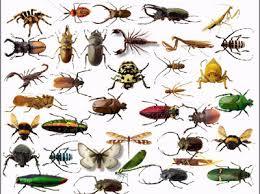
Tell us about your requirement

Price:
Quantity
Select Unit
- 50
- 100
- 200
- 250
- 500
- 1000+
Additional detail
Mobile number
Email

More Products in Insecticides Pesticides Category
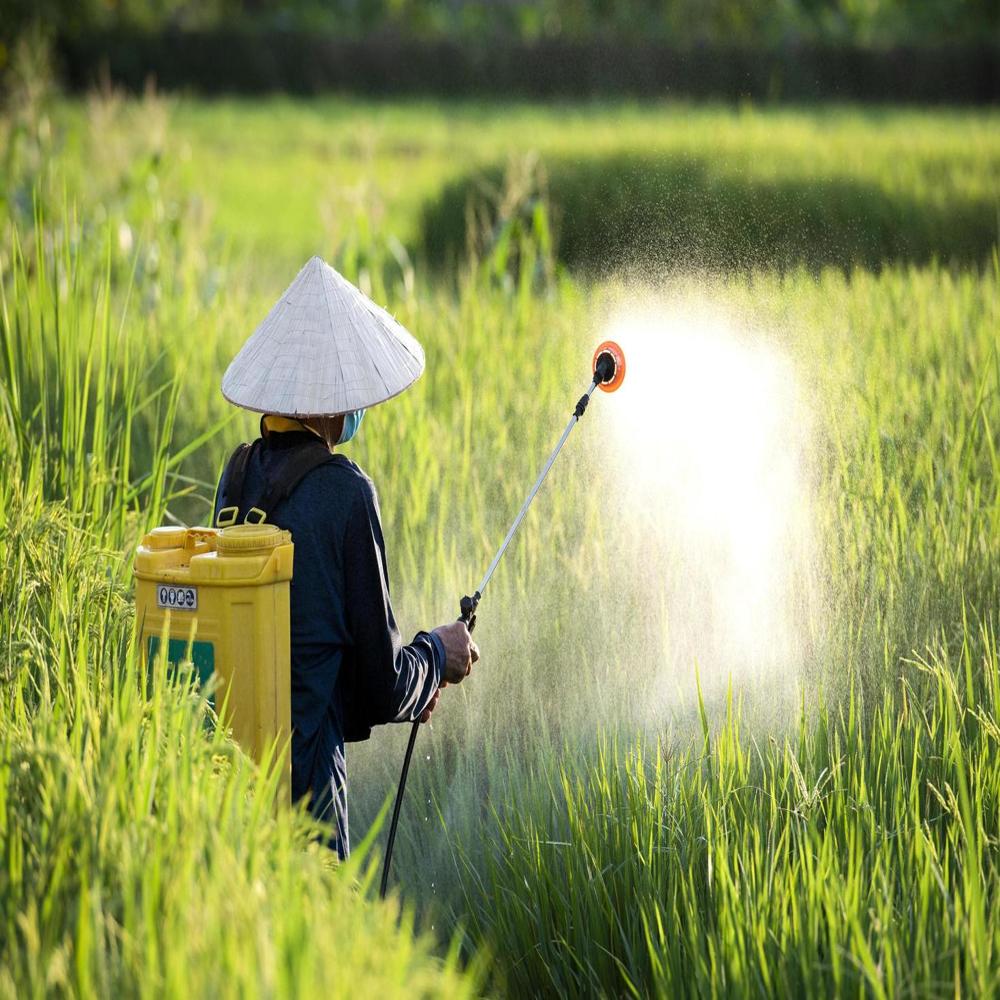
Pyriproxyfen 0.5% Gr / 10% EC
Minimum Order Quantity : 25 Kilograms
Grade : Agricultural Grade
Product Name : Pyriproxyfen 0.5% Gr / 10% EC
Place of Origin : India
Molecular Formula : C20H19NO3
Purity(%) : >= 95% (technical grade)
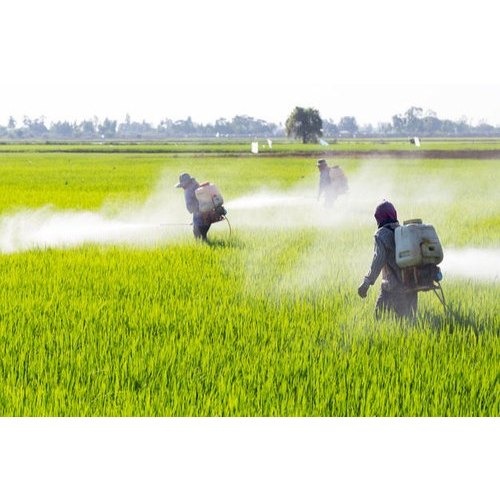
Abamectin 1.9% ec
Minimum Order Quantity : 25 Kilograms
Grade : Agricultural Grade
Product Name : Abamectin 1.9% ec
Place of Origin : China
Molecular Formula : C48H72O14
Purity(%) : 99.0% (Technical Grade), 1.9% EC formulation
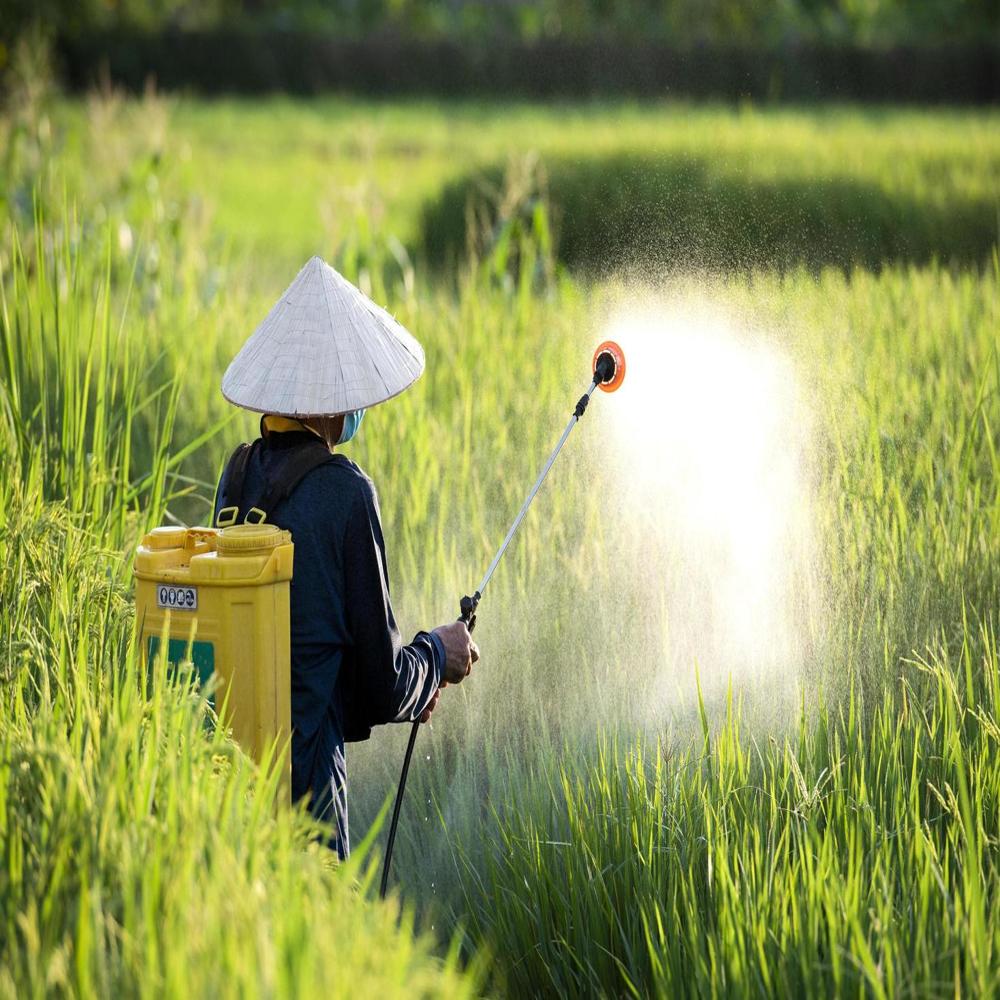
Transfluthrin 1% FU / 12% AE / 1.2% & 1.6% LV
Minimum Order Quantity : 25 Kilograms
Grade : AGRICULTURE
Product Name : Transfluthrin 1% FU / 12% AE / 1.2% & 1.6% LV
Place of Origin : India
Molecular Formula : C15H12Cl2F4O2
Purity(%) : 98% min
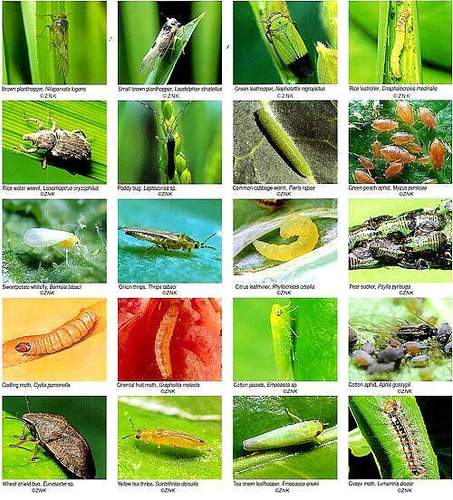
Etofenprox
Grade : Technical
Product Name : Etofenprox
Place of Origin : India
Molecular Formula : C25H28O3
Purity(%) : 95%

Contact Details
JOSHI AGROCHEM PHARMA PRIVATE LIMITED
GST : 27AAFCJ1227Q1Z8
- 813, Topiwala Center, Opp. Railway Station, Goregaon (West), Mumbai - 400062, Maharashtra, India
- Phone :08045802973
 Send Inquiry
- For Chemicals - Solvents :
Mobile. +918097911779
For Pharma - API's :
Mobile. +918655564472
For Agro - Pesticides :
Mobile. +918080701491
For Metals :
Mobile. +919322422799


Developed and Managed by Infocom Network Private Limited.
