Call: 08045802973
 Send Inquiry
 Send Inquiry
Endosulfan
Endosulfan Specification
- Ash %
- 0.2%
- Product Name
- Endosulfan
- Color
- White
- CAS No
- 115-29-7
- Ph Level
- Neutral to slightly acidic
- Place of Origin
- India
- Appearance
- White to off-white crystalline solid
- Density
- 1.76 Gram per cubic centimeter(g/cm3)
- EINECS No
- 204-079-8
- Water Content Vol%
- <0.5%
- Molecular Formula
- C9H6Cl6O3S
- Moisture (%)
- <0.5%
- Shape
- Powder / crystalline
- Purity(%)
- 95%
- State
- Solid
- Properties
- Low volatility, moderately persistent, slightly soluble in water
- Smell
- Characteristic
- Active Ingredient
- Endosulfan
- Grade
- Technical, Agricultural
- Melting Point
- 106C
- Stability
- Stable under recommended storage conditions
- Storage Condition
- Store in a cool, dry, and well-ventilated area
- Application
- Used for controlling pests in crops such as cotton, tea, and cereals
- Shelf Life
- 2 Years in cool, dry conditions
- Molecular Weight
- 406.94 g/mol
- Packaging Type
- HDPE bags / Fiber drums
- UN Number
- 2761
- Toxicity
- Highly toxic to aquatic life and pests
- Transport Regulations
- Hazardous material, requires special handling
- Boiling Point
- Not applicable (decomposes before boiling)
- Hazard Statement
- Toxic if swallowed or inhaled
- Flash Point
- >160C
- Solubility in Water
- 0.32 mg/L (at 25C)
Endosulfan Trade Information
- Supply Ability
- 1000 Per Month
- Delivery Time
- 7 Days
About Endosulfan
Endosulfan
JOSHI AGRO & PESTICIDES offers wide range of INSECTICIDES - PESTICIDES - FUNGISCIDES - WEEDICIDES - HERBICIDES for all Crops. Contract Manufacturer - exporter distributers. All grades available in Technical and Bulk Formulation also in small ready to spray pack.
Effective Pest Control for Agriculture
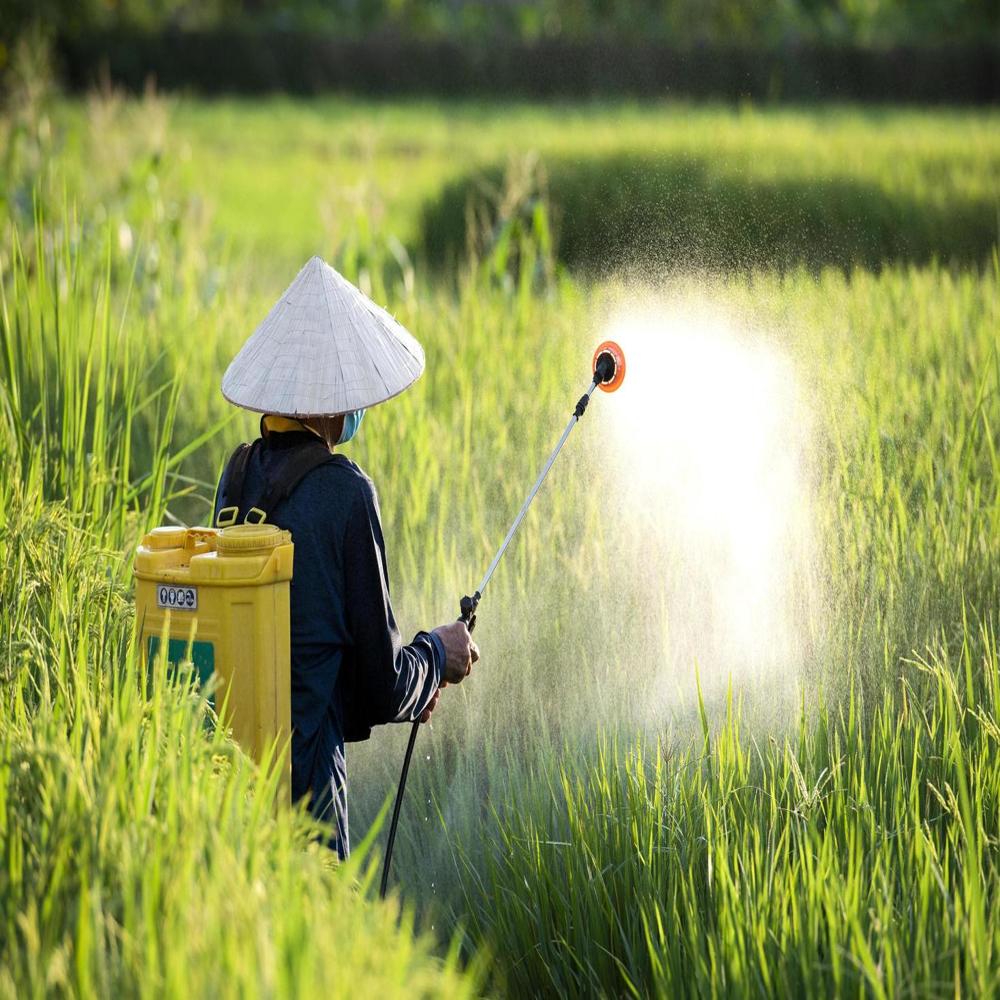
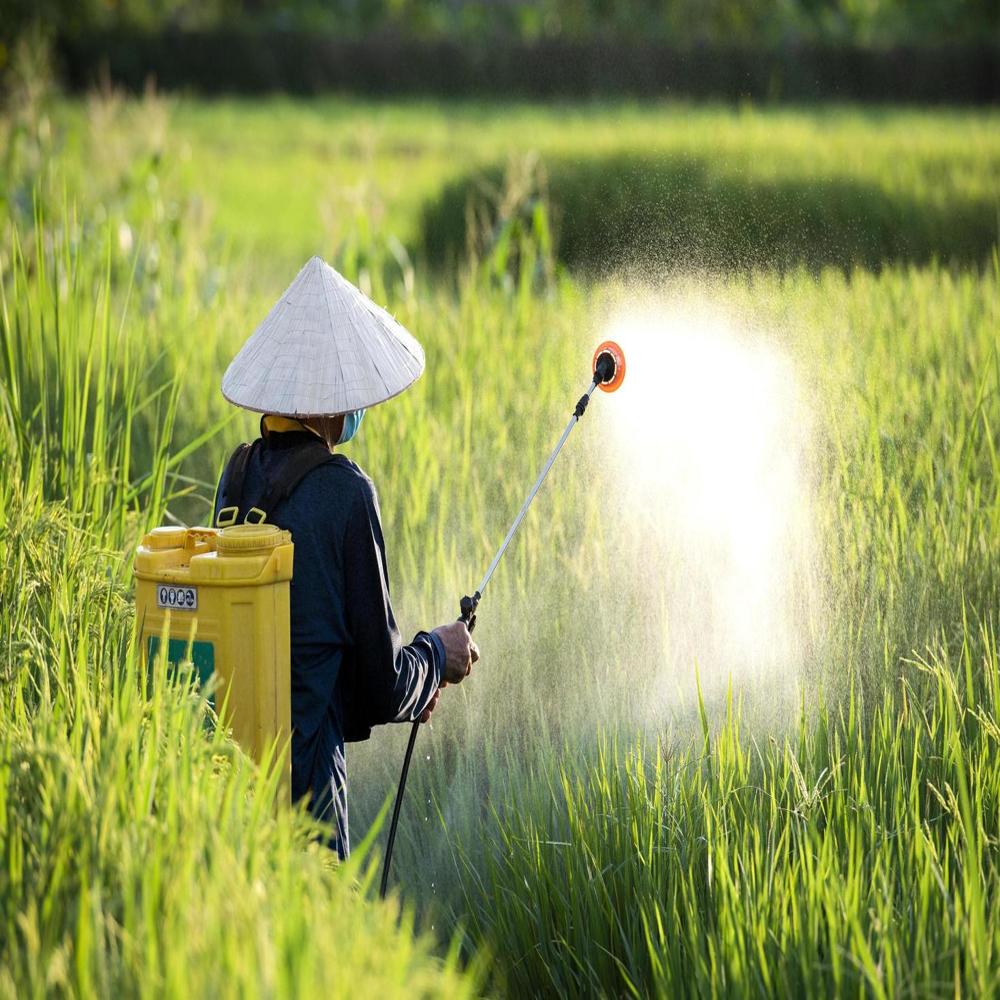
Endosulfan delivers reliable protection against a broad spectrum of pests, safeguarding essential crops including cotton, tea, and cereals. Its technical-grade formulation ensures maximum efficacy, helping farmers reduce pest populations swiftly and efficiently. Its moderate persistence provides lasting protection while being compatible with integrated pest management strategies when used correctly and judiciously.
Safe Handling and Storage Guidelines
Due to its toxic nature, Endosulfan must be handled with care. Store the product in HDPE bags or fiber drums in a cool, dry, and well-ventilated environment, away from direct sunlight and sources of ignition. Following appropriate storage not only maintains its effectiveness but also ensures user and environmental safety over its two-year shelf life. Always adhere to local regulations for hazardous materials.
FAQs of Endosulfan:
Q: How should Endosulfan be applied to crops for maximum effectiveness?
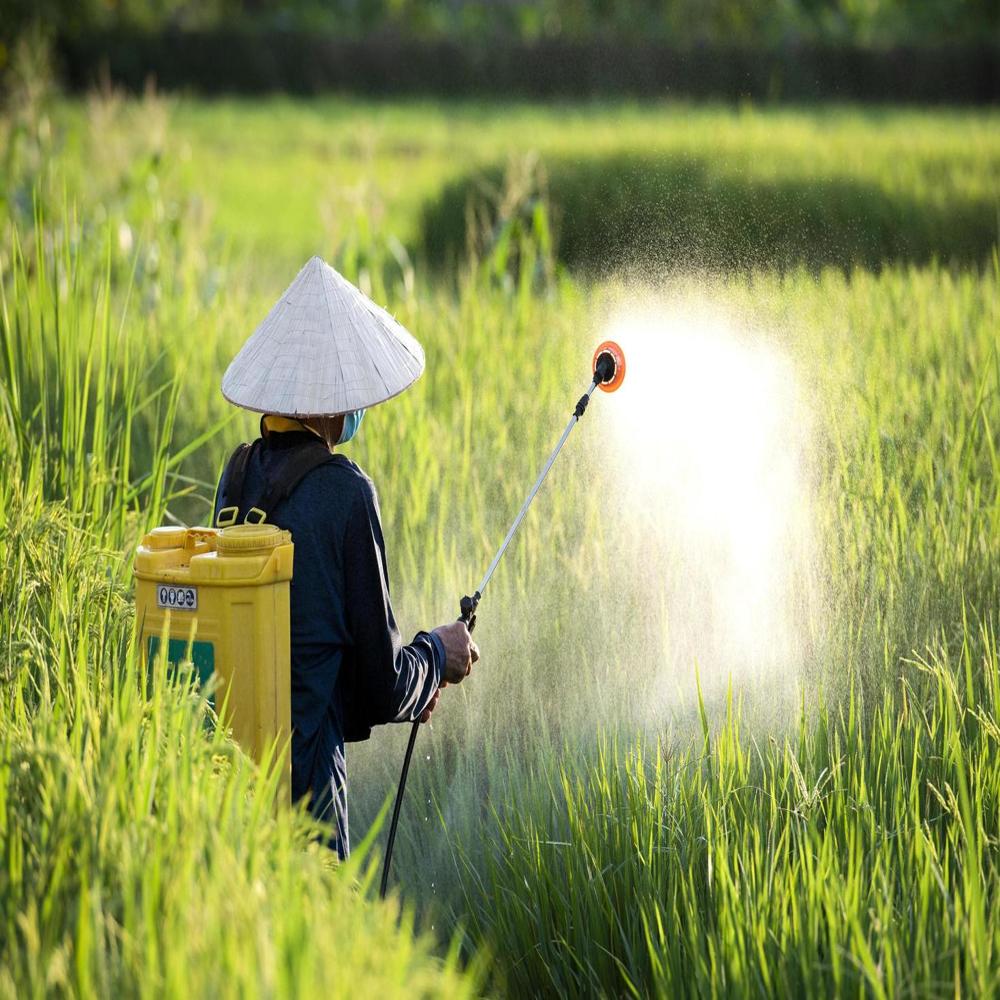
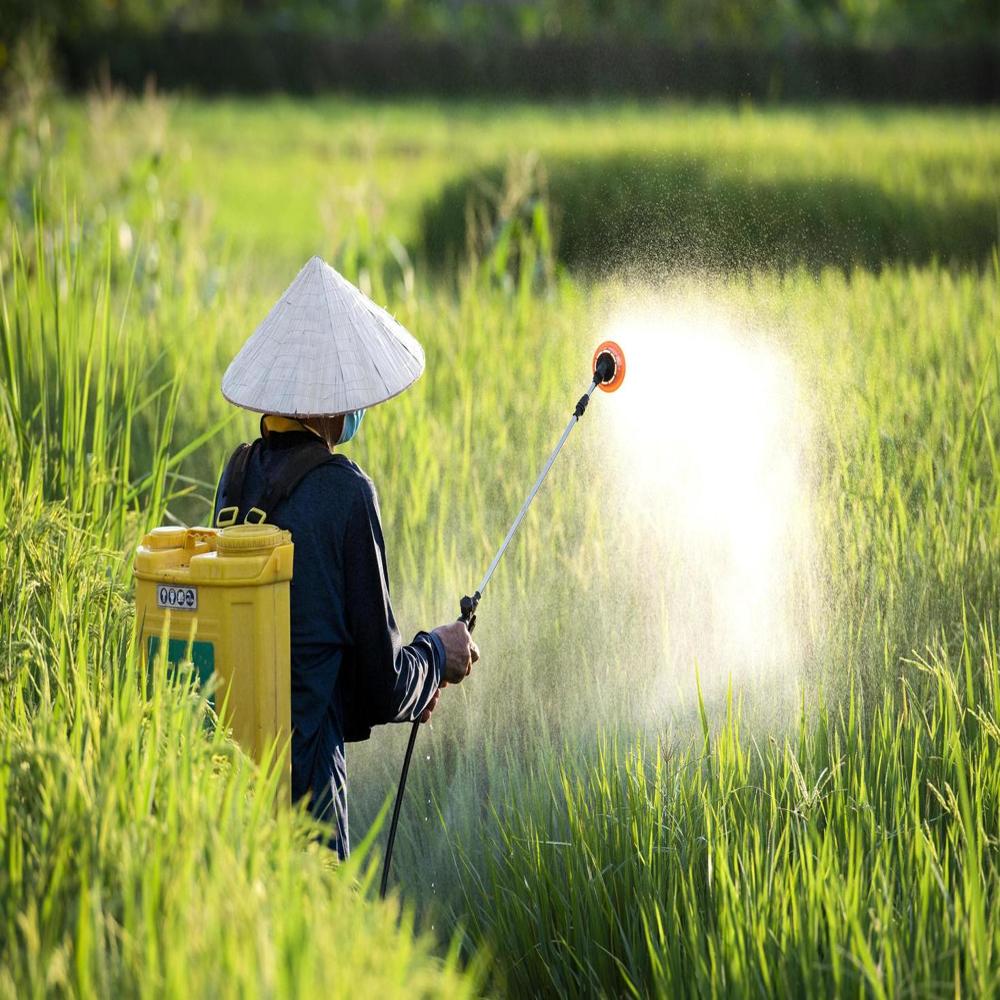
A: Endosulfan should be applied as per recommended agricultural guidelines, employing suitable spraying equipment to ensure even distribution. It is important to target pest-prone areas and avoid overuse to prevent resistance and minimize environmental impact.Q: What crops are suitable for Endosulfan use?
A: Endosulfan is commonly employed on crops such as cotton, tea, and cereals for controlling a wide variety of insect pests and mites.Q: When is the best time to apply Endosulfan?
A: Application is most effective during early pest infestation stages or as recommended by agricultural extension services to coincide with pest lifecycles, maximizing efficacy and crop protection.Q: Where should Endosulfan be stored to maintain its quality?
A: Store Endosulfan in its original packaging, in a cool, dry, and well-ventilated area, away from moisture and direct sunlight. This ensures its stability and extends its shelf life.Q: What safety precautions are necessary when handling Endosulfan?
A: Wear protective clothing, gloves, and a mask when handling Endosulfan, as it is toxic if swallowed or inhaled. Follow all hazard warnings and local regulations for use and transport.Q: How does Endosulfan benefit agricultural productivity?
A: Endosulfan effectively controls resistant and persistent pests, leading to higher crop yields and reduced loss, thereby improving agricultural productivity.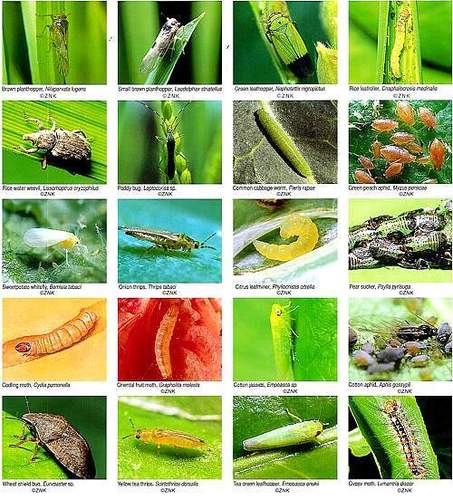
Tell us about your requirement

Price:
Quantity
Select Unit
- 50
- 100
- 200
- 250
- 500
- 1000+
Additional detail
Mobile number
Email

More Products in Insecticides Pesticides Category
Spirotetramat 11.01 % + Imidacloprid 11.01% SC
Minimum Order Quantity : 25 Kilograms
Product Name : Spirotetramat 11.01 % + Imidacloprid 11.01% SC
Purity(%) : Technical grade composition: each active ingredient 11.01%
Shape : other, Liquid
Molecular Formula : Spirotetramat: C21H27NO5, Imidacloprid: C9H10ClN5O2
Ph Level : 5.07.0
Neem Oil 300 / 1500 / 3000 / 10000 PPM
Minimum Order Quantity : 25 Kilograms
Product Name : Neem Oil 300 / 1500 / 3000 / 10000 PPM
Purity(%) : 98%
Shape : other, Liquid
Molecular Formula : N/A (Neem oil is a complex mixture of various compounds, predominantly triglycerides with active ingredient Azadirachtin)
Ph Level : 5.57.0
Pinoxaden 5.1% EC
Minimum Order Quantity : 25 Kilograms
Product Name : Pinoxaden 5.1% EC
Purity(%) : 5.1%
Shape : other, Homogeneous solution
Molecular Formula : C17H16ClN3O4
Ph Level : 5.08.0
Sulfentrazone 28% + Clomazone 30% WP
Minimum Order Quantity : 25 Kilograms
Product Name : Sulfentrazone 28% + Clomazone 30% WP
Purity(%) : 95% (combined active ingredients)
Shape : other, Fine Powder
Molecular Formula : C11H10Cl2N2O2S (Sulfentrazone), C12H14ClNO2 (Clomazone)
Ph Level : 58 (1% aqueous solution)

Contact Details
JOSHI AGROCHEM PHARMA PRIVATE LIMITED
GST : 27AAFCJ1227Q1Z8
- 813, Topiwala Center, Opp. Railway Station, Goregaon (West), Mumbai - 400062, Maharashtra, India
- Phone :08045802973
 Send Inquiry
- For Chemicals - Solvents :
Mobile. +918097911779
For Pharma - API's :
Mobile. +918655564472
For Agro - Pesticides :
Mobile. +918080701491
For Metals :
Mobile. +919322422799


Developed and Managed by Infocom Network Private Limited.
