
Call: 08045802973
 Send Inquiry
 Send Inquiry
Trimethyl acetate
Trimethyl acetate Specification
- Solubility
- Partially miscible in water, soluble in organic solvents
- Odour
- Sweet, fruity
- Appearance
- Clear colorless liquid
- Density
- 0.88 Gram per cubic centimeter(g/cm3)
- Molecular Weight
- 116.16 g/mol
- Storage Instructions
- Store in a cool, dry, and well-ventilated place, keep tightly sealed
- Chemical Name
- Trimethyl acetate
- Other Names
- Pivalic acid methyl ester, tert-pentyl acetate, methyl pivalate
- Classification
- Organic Ester Compound
- CAS No
- 598-01-8
- Type
- Chemical Reagent
- Application
- Laboratory use, chemical synthesis intermediate, solvent
- Application Method
- Used directly or formulated in chemical reactions
- Raw Material
- Derived from pivalic acid and methanol
- Physical State
- Liquid
- Usage
- Used in organic synthesis and as a solvent
- Shelf Life
- 2 years
- Purity(%)
- 99%
- Best Before
- 2 years from date of manufacture
- Packaging Type
- Sealed bottles, drums
- Refractive Index
- 1.390
- Grade Standard
- Analytical grade, technical grade
- Compatible Materials
- Glass, stainless steel, polyethylene
- Environmental Hazards
- Not classified as environmentally hazardous
- Flash Point
- 22C
- Hazard Statements
- H226 Flammable liquid and vapour
- Auto Ignition Temperature
- 420C
- Transport Conditions
- Transport under ambient temperature
- Boiling Point
- 104-106C
- Melting Point
- -63C
- EC Number
- 209-939-5
- Stability
- Stable under recommended storage conditions
- Regulatory Compliance
- Complies with industrial chemical safety norms
- UN Number
- UN 1230
- Handling Precautions
- Avoid heat, flame, and strong oxidizers
About Trimethyl acetate
Trimethyl acetate, also known as pivalic acid methyl ester, shines as a sizzling and kingly addition to laboratories, thanks to its majestic clarity and sweet, fruity aroma. With a towering purity of 99%, this organic ester is highlighted for excellence in chemical synthesis and laboratory use. Experience the best price for a product boasting unbeatable stability and regulatory compliance. Packaged in sealed bottles or drums, it ensures safety and longevity. Its versatility and premium quality make it the ideal choice for industrial and research applications across India.
Optimal Usage and Application Overview for Trimethyl Acetate
To maximize its benefits, Trimethyl acetate is best applied directly in chemical synthesis or as an effective solvent within laboratory media. It excels on application surfaces compatible with glass, stainless steel, or polyethylene. Formulated for easy direction of use, simply measure and add to your target reaction mix or process as instructed by standard laboratory protocols. Its clear, colorless liquid form ensures simple and efficient integration into a broad range of chemical applications.
Market Coverage, Delivery Timeline, and Premium Packaging Insights
Trimethyl acetates market value thrives due to a strategic domestic outlay, catering to prominent sectors across India. With delivery times tailored to meet demanding laboratory and industrial schedules, you can rely on prompt order fulfillment at a competitive list price. Each batch arrives in carefully sealed bottles or sturdy drums, ensuring safety and quality upon arrival. This attention to secure packaging enhances confidence for exporters, importers, manufacturers, and suppliers alike.
Optimal Usage and Application Overview for Trimethyl Acetate
To maximize its benefits, Trimethyl acetate is best applied directly in chemical synthesis or as an effective solvent within laboratory media. It excels on application surfaces compatible with glass, stainless steel, or polyethylene. Formulated for easy direction of use, simply measure and add to your target reaction mix or process as instructed by standard laboratory protocols. Its clear, colorless liquid form ensures simple and efficient integration into a broad range of chemical applications.
Market Coverage, Delivery Timeline, and Premium Packaging Insights
Trimethyl acetates market value thrives due to a strategic domestic outlay, catering to prominent sectors across India. With delivery times tailored to meet demanding laboratory and industrial schedules, you can rely on prompt order fulfillment at a competitive list price. Each batch arrives in carefully sealed bottles or sturdy drums, ensuring safety and quality upon arrival. This attention to secure packaging enhances confidence for exporters, importers, manufacturers, and suppliers alike.
FAQs of Trimethyl acetate:
Q: How should Trimethyl acetate be safely handled in laboratory settings?
A: Trimethyl acetate should be handled with suitable precautions: avoid sources of heat, flame, and strong oxidizers. Work in a well-ventilated area, wear protective equipment, and keep the container tightly sealed when not in use.Q: What are the main applications and benefits of using Trimethyl acetate?
A: Trimethyl acetate is utilized primarily as a solvent and as an intermediate in chemical synthesis. Its high purity, stability, and partial water miscibility make it ideal for analytical, technical, and laboratory-grade applications.Q: Where can Trimethyl acetate be used most effectively?
A: It is highly effective within laboratories and chemical manufacturing facilities, especially where organic synthesis, solvent use, or reaction intermediates are needed, on surfaces like glass, stainless steel, and polyethylene.Q: When is the optimal time to use Trimethyl acetate after purchase?
A: For best results, use Trimethyl acetate within two years (the specified shelf life) from the date of manufacture, ensuring it remains stored under recommended conditions.Q: What packaging options are available for Trimethyl acetate shipments?
A: Trimethyl acetate is available in secure, sealed bottles or drums, adaptable for various outlay sizes. This prevents contamination and ensures product integrity during transit.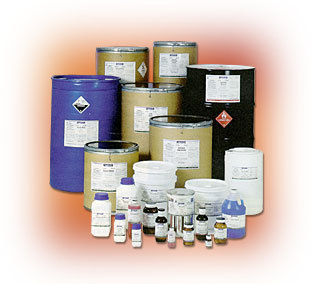
Tell us about your requirement

Price:
Quantity
Select Unit
- 50
- 100
- 200
- 250
- 500
- 1000+
Additional detail
Mobile number
Email

More Products in Solvent Chemical Category
MONO. & ANHYDROUS
Shelf Life : 2 Years
Application Method : Other, Direct addition to process or formulation
Usage : pH control, Buffering agent, Cleaning agent
Physical State : Other, Powder/Crystal
Molecular Weight : 120.0 g/mol
Storage Instructions : Store in cool, dry place, tightly closed
FLUOROBENZENE
Shelf Life : 2 years under proper storage
Application Method : Other, Used as a reagent or solvent in chemical processes
Usage : Laboratory reagent, Intermediate for synthesis of pharmaceuticals and agrochemicals
Physical State : Other, Liquid
Molecular Weight : 96.10 g/mol
Storage Instructions : Store in a cool, dry, wellventilated area away from sources of heat and ignition, in tightly closed containers
CYCLOHEXANONE
Shelf Life : 1 year
Application Method : Other, Direct application or mixing in formulations
Usage : Paints varnishes adhesives pharmaceuticals etc.
Physical State : Other, Liquid
Molecular Weight : 98.15 g/mol
Storage Instructions : Store in a cool dry and ventilated place
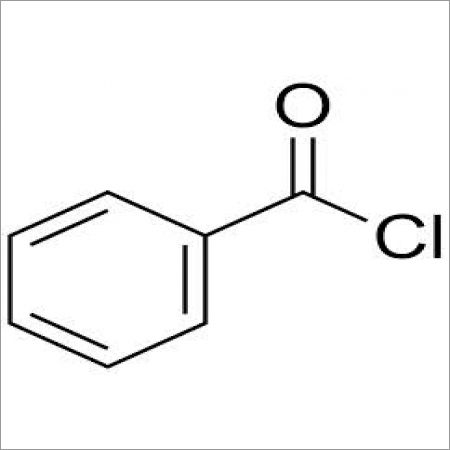
Benzoyl Chloride
Shelf Life : 12 months if stored properly
Application Method : Other, Used as a reagent in chemical reactions
Usage : Used in production of dyes pharmaceuticals and agrochemicals
Physical State : Other, Liquid
Molecular Weight : 126.56 g/mol
Storage Instructions : Store in a cool dry place away from incompatible materials

Contact Details
JOSHI AGROCHEM PHARMA PRIVATE LIMITED
GST : 27AAFCJ1227Q1Z8
- 813, Topiwala Center, Opp. Railway Station, Goregaon (West), Mumbai - 400062, Maharashtra, India
- Phone :08045802973
 Send Inquiry
- For Chemicals - Solvents :
Mobile. +918097911779
For Pharma - API's :
Mobile. +918655564472
For Agro - Pesticides :
Mobile. +918080701491
For Metals :
Mobile. +919322422799


Developed and Managed by Infocom Network Private Limited.
