Call: 08045802973
 Send Inquiry
 Send Inquiry
Thiophanate methyl
Thiophanate methyl Specification
- Purity(%)
- 97%
- Place of Origin
- China
- EINECS No
- 245-760-7
- Smell
- Odorless
- Ph Level
- Neutral (at recommended dilution)
- Appearance
- White powder or crystalline solid
- Shape
- Granular, Powder
- Active Ingredient
- Thiophanate-methyl
- Grade
- Technical Grade
- Color
- White
- Density
- 1.44 Gram per cubic centimeter(g/cm3)
- State
- Powder
- Molecular Formula
- C6H4N4O4S2
- Ash %
- 0.2%
- Properties
- Broad-spectrum systemic fungicide, effective against many fungi
- Water Content Vol%
- 0.5%
- CAS No
- 23564-05-8
- Product Name
- Thiophanate methyl
- Moisture (%)
- 0.5%
- Melting Point
- 181-183C
- Shelf Life
- 2 years in original unopened packaging
- Storage
- Store in cool, dry and well-ventilated area, away from strong oxidants
- Toxicity
- Low toxicity to humans and animals
- Mode of Action
- Inhibits fungal cell division by interfering with mitosis
- Solubility
- Slightly soluble in water, soluble in organic solvents
- Usage/Application
- Control of a wide range of fungal diseases such as powdery mildew, grey mold, scab, anthracnose
- Packaging
- 25 kg fiber drum, plastic bag or as per customer requirement
Thiophanate methyl Trade Information
- Supply Ability
- 1000 Per Month
- Delivery Time
- 7 Days
About Thiophanate methyl
"JOSHI AGRO & PESTICIDES" offers wide range of INSECTICIDES - PESTICIDES - FUNGISCIDES - WEEDICIDES - HERBICIDES for all Crops. Contract Manufacturer - exporter distributers. All grades available in Technical and Bulk Formulation also in small ready to spray pack.Broad-Spectrum Fungal Control
Thiophanate methyl offers extensive protection against a variety of plant fungal pathogens, safeguarding crops like fruits, vegetables, and ornamentals. Its systemic action enables it to penetrate plant tissues, ensuring both preventive and curative effects. As a result, this fungicide is a preferred choice for farmers and horticulturists seeking reliable disease management with low toxicity.
User-Friendly Storage and Handling
Storing Thiophanate methyl is straightforwardkeep it in a cool, dry, and well-ventilated setting, always away from strong oxidizing agents. Its stability and long shelf life help maintain product effectiveness, as long as the original packaging remains unopened and undamaged. Its odorless nature makes it comfortable to handle during routine agricultural operations.
Flexible Packaging Options
To cater to diverse customer needs, Thiophanate methyl is available in 25 kg fiber drums, plastic bags, and customized volumes. This flexibility ensures safe transportation, storage, and application across different agricultural and industrial setups, fulfilling requirements for exporters, importers, manufacturers, and traders alike.
FAQs of Thiophanate methyl:
Q: How does Thiophanate methyl control fungal diseases in crops?
A: Thiophanate methyl works by inhibiting cell division in fungi, interfering with the mitosis process. This disrupts the life cycle of pathogenic fungi, offering effective prevention and control against diseases such as powdery mildew, grey mold, scab, and anthracnose on various crops.Q: What are the recommended storage conditions for Thiophanate methyl?
A: Store Thiophanate methyl in a cool, dry, and well-ventilated area, away from strong oxidants. Ensure the packaging remains sealed until use to retain its efficacy for up to two years.Q: When should Thiophanate methyl be applied for best results?
A: For optimal protection, apply Thiophanate methyl at the first signs of fungal infection or as a preventive measure during periods conducive to disease development. Always follow local agronomic guidelines and recommended application intervals.Q: Where is Thiophanate methyl most commonly used?
A: Thiophanate methyl is widely used in agricultural settings including farms, greenhouses, orchards, and nurseries, as well as for ornamental plants. Its valued globally, especially in India, for its reliability and broad applicability.Q: What types of packaging are available for Thiophanate methyl?
A: Thiophanate methyl is available in 25 kg fiber drums and plastic bags, and can also be supplied in customized packaging to meet specific customer needs for safe handling and transportation.Q: What are the key benefits of using Thiophanate methyl?
A: The main benefits include its broad-spectrum activity against many fungal diseases, systemic protection through plant absorption, low toxicity to mammals, extended shelf life, and easy handling due to its odorless nature.Q: Can Thiophanate methyl be dissolved in water for application?
A: Thiophanate methyl is slightly soluble in water but dissolves well in organic solvents. For crop protection, it is typically formulated as a suspension or wettable powder to be diluted in water for effective foliar or soil application.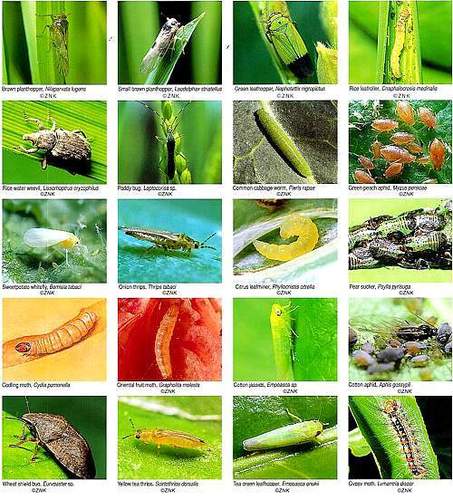
Tell us about your requirement

Price:
Quantity
Select Unit
- 50
- 100
- 200
- 250
- 500
- 1000+
Additional detail
Mobile number
Email

More Products in Insecticides Pesticides Category
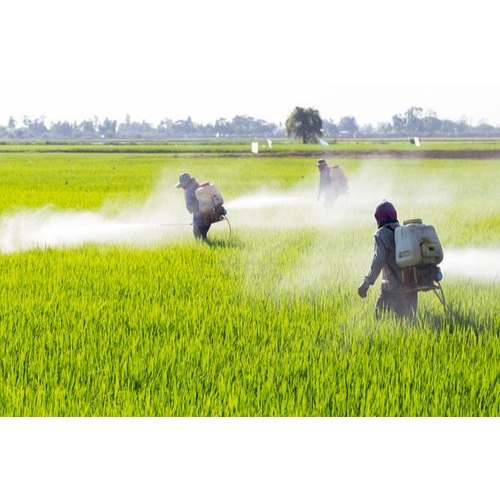
Diafenthiuron 50% WP
Minimum Order Quantity : 25 Kilograms
EINECS No : None Assigned
Smell : Other, Faint odour
State : Other
Molecular Formula : C23H32N2O2S
Ph Level : 6.08.0 (1% solution in water)

Metribuzin 70% WP
Minimum Order Quantity : 25 Kilograms
EINECS No : 2442097
Smell : Other, Faint characteristic odor
State : Other, Powder (Wettable Powder)
Molecular Formula : C8H14N4OS
Ph Level : 5.0 8.0 (1% aqueous solution)
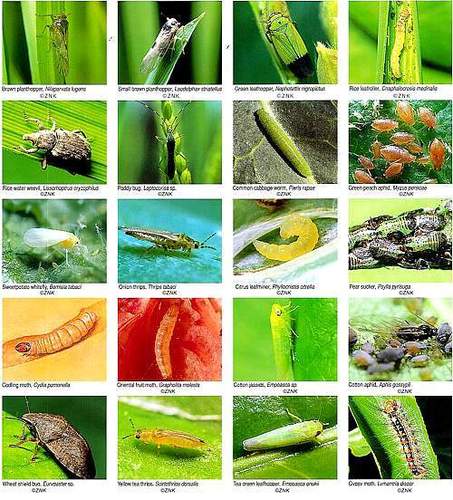
Carbendazim 25% Flusilazole 12.5% SE
EINECS No : 2342320 (Carbendazim), 2874945 (Flusilazole)
Smell : Other, Mild characteristic odor
State : Liquid
Molecular Formula : C9H9N3O2 (Carbendazim), C15H13F2N3OS (Flusilazole)
Ph Level : 6.08.5
Fenobucarb (BPMC)
EINECS No : 2230175
Smell : Other, Characteristic
State : Liquid
Molecular Formula : C12H17NO2
Ph Level : 6.57.5

Contact Details
JOSHI AGROCHEM PHARMA PRIVATE LIMITED
GST : 27AAFCJ1227Q1Z8
- 813, Topiwala Center, Opp. Railway Station, Goregaon (West), Mumbai - 400062, Maharashtra, India
- Phone :08045802973
 Send Inquiry
- For Chemicals - Solvents :
Mobile. +918097911779
For Pharma - API's :
Mobile. +918655564472
For Agro - Pesticides :
Mobile. +918080701491
For Metals :
Mobile. +919322422799


Developed and Managed by Infocom Network Private Limited.
