Call: 08045802973
 Send Inquiry
 Send Inquiry
Sodium persulphate
Sodium persulphate Specification
- Shape
- Crystalline
- Smell
- Odourless
- Molecular Formula
- Na2S2O8
- Physical Form
- Powder
- Grade
- Industrial Grade
- Product Type
- Chemical Compound
- Ingredients
- Sodium persulphate (Na2S2O8)
- Melting Point
- Decomposes above 180C
- Appearance
- White free-flowing crystalline powder
- Purity
- 99% Min.
- HS Code
- 28334000
- Density
- 1.14 Gram per cubic centimeter(g/cm3)
- Molecular Weight
- 238.10 g/mol
- Properties
- White, odourless crystalline powder, decomposes at high temperature, strong oxidizer
- Ph Level
- ~2.5 (50g/l, H2O, 20C)
- CAS No
- 7775-27-1
- Structural Formula
- O3S-OSO2Na
- Storage
- Store in cool, dry, well-ventilated area, away from moisture and combustibles
- Taste
- Odourless
- Usage
- Used as oxidizer in various industries (textile, electronics, chemical synthesis)
- Poisonous
- Yes, harmful if swallowed or inhaled
- Application
- Used in polymerization initiator, etching, desizing agent, soil remediation, water treatment
- Solubility
- Soluble in water (50g/100ml at 20C)
- EINECS No
- 231-892-1
- Shelf Life
- 12 months in original packaging under recommended storage conditions
- Stability
- Stable under recommended storage conditions
- Toxicity
- Irritant to eyes, respiratory system, and skin
- UN Number
- UN 1505
- Hazard Class
- 5.1 (Oxidizing substance)
- Packaging
- 25 kg HDPE bag with inner liner
- Flash Point
- Non-flammable
- Decomposition Products
- Releases oxygen and sulfur oxides upon decomposition
Sodium persulphate Trade Information
- FOB Port
- Mumbai
- Payment Terms
- Cash in Advance (CID), Cheque
- Main Export Market(s)
- Asia
- Main Domestic Market
- All India
About Sodium persulphate
Sodium persulphate
Joshi Chem are Contract Manufacturer, Exporter and Distributers of various Chemicals & Solvents. More then 500 products are ready available & supply as per specification require by client in all grades. Quality Supply With Customer Satisfaction - Since 1971.
Powerful Oxidizer for Industrial Applications
Sodium persulphate demonstrates strong oxidizing properties, making it invaluable in textile processing, electronics manufacturing, polymerization, and water treatment. Its stability and high purity ensure reliable and consistent results across various industrial uses. The crystalline, free-flowing powder dissolves readily in water, facilitating easy application and integration into different chemical processes.
Safe Handling and Storage Guidelines
Due to its oxidizing and irritant nature, sodium persulphate should be handled with suitable protective equipment. Store the product in its original 25 kg HDPE bag with an inner liner, in a cool, dry, and well-ventilated area. Avoid exposure to moisture and combustible materials to preserve its efficacy and shelf life. Proper handling ensures safe and long-lasting usage.
FAQs of Sodium persulphate:
Q: How should sodium persulphate be stored to maintain its stability?
A: Store sodium persulphate in a cool, dry, and well-ventilated area, away from moisture and combustible substances. Using its original 25 kg HDPE packaging with an inner liner will help ensure stability and a shelf life of up to 12 months.Q: What are the main industrial uses of sodium persulphate?
A: Sodium persulphate is commonly utilized as an oxidizing agent in the textile industry, electronics etching, polymerization initiation, soil remediation, and as a desizing agent. Its versatility enables it to assist in chemical synthesis and water treatment processes.Q: When does sodium persulphate decompose, and what are the byproducts?
A: Sodium persulphate decomposes above 180C, releasing oxygen and sulfur oxides. This decomposition enhances its oxidizing effect but requires controlled conditions to manage the release of gases safely.Q: Where is sodium persulphate typically applied during polymerization?
A: In polymerization processes, sodium persulphate is used as an initiator to start the reaction. Its high purity and strong oxidizing properties make it effective in both laboratory and industrial-scale polymer manufacturing.Q: What safety precautions should be taken when handling sodium persulphate powder?
A: Wear protective gloves, safety goggles, and a mask when handling sodium persulphate, as it can irritate the eyes, respiratory system, and skin. Avoid ingestion and inhalation, and handle only in well-ventilated spaces.Q: How is sodium persulphate beneficial in water treatment and soil remediation?
A: Due to its strong oxidizing nature, sodium persulphate effectively breaks down contaminants in water and soil, aiding in purification and environmental clean-up. Its solubility in water ensures thorough and even application.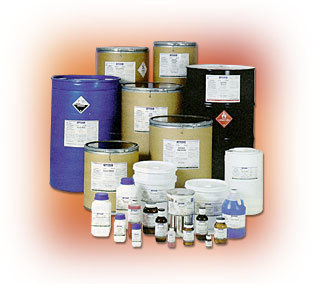
Tell us about your requirement

Price:
Quantity
Select Unit
- 50
- 100
- 200
- 250
- 500
- 1000+
Additional detail
Mobile number
Email

More Products in Chemical Supplies Category
Benzyl Cyanide
Melting Point : 31 C
Ingredients : C8H7N (Pure Benzyl Cyanide)
Density : 1.016 Gram per cubic centimeter(g/cm3)
Purity : 99%
HS Code : 29269090
Appearance : Clear colorless to pale yellow liquid
p-Chlorobenzyl cyanide
Melting Point : 73C
Ingredients : pChlorobenzyl cyanide
Density : 1.2 Gram per cubic centimeter(g/cm3)
Purity : High purity (specification depends on manufacturer)
HS Code : 292690
Appearance : Colorless to white crystalline solid
Lithium amide
Melting Point : 380C (decomposes)
Ingredients : Lithium (Li) Ammonium (NH2)
Density : 1.179 Gram per cubic centimeter(g/cm3)
Purity : Typically >98%
HS Code : 28252000
Appearance : White to gray crystalline powder
Carbon Tetrabromide
Melting Point : 9192 C
Ingredients : 100% Carbon Tetrabromide
Density : 3.42 Gram per cubic centimeter(g/cm3)
Purity : 98%
HS Code : 290339
Appearance : White crystalline solid

Contact Details
JOSHI AGROCHEM PHARMA PRIVATE LIMITED
GST : 27AAFCJ1227Q1Z8
- 813, Topiwala Center, Opp. Railway Station, Goregaon (West), Mumbai - 400062, Maharashtra, India
- Phone :08045802973
 Send Inquiry
- For Chemicals - Solvents :
Mobile. +918097911779
For Pharma - API's :
Mobile. +918655564472
For Agro - Pesticides :
Mobile. +918080701491
For Metals :
Mobile. +919322422799


Developed and Managed by Infocom Network Private Limited.
