
Call: 08045802973
 Send Inquiry
 Send Inquiry
Potassium Bromide
Potassium Bromide Specification
- Ph Level
- Neutral (around 7 for an aqueous solution)
- Solubility
- Soluble in water (53.5 g/100 mL at 25 C) slightly soluble in alcohol
- CAS No
- 7758-02-3
- Structural Formula
- K-Br
- Molecular Formula
- KBr
- Melting Point
- 734 C (1353 F)
- Taste
- Salty slightly bitter
- Grade
- Pharmaceutical grade Industrial grade
- HS Code
- 28275100
- Application
- Used as a lab reagent photographic chemical and in pharmaceuticals
- Smell
- Odorless
- Poisonous
- NO
- Physical Form
- Crystalline solid
- Purity
- Typically 99%
- Storage
- Store in a cool dry and well-ventilated place away from moisture and incompatible substances
- Molecular Weight
- 119.00 g/mol
- Shape
- Crystalline solid
- Density
- 2.75 Gram per cubic centimeter(g/cm3)
- EINECS No
- 231-830-3
- Properties
- Colorless or white crystalline powder or granules; high solubility in water
- Appearance
- White crystalline powder
- Refractive Rate
- 1.559 (at 589 nm)
- Usage
- Primarily used in medical formulations infrared spectroscopy and as a veterinary sedative
- Ingredients
- Potassium and Bromide ions
- Shelf Life
- Stable under recommended storage conditions; typically 5 years
About Potassium Bromide
We are Contract Manufacturer, Exporter and Distributors of various products. Major All products are available as per specification require by client in all grades. Quality Supply With Customer Satisfaction - Since 1971.FAQs of Potassium Bromide:
Q: What are the primary applications of Potassium Bromide?
A: Potassium Bromide is commonly used as a lab reagent, photographic chemical, and in pharmaceutical formulations.Q: What is the physical form of Potassium Bromide?
A: Potassium Bromide is a white crystalline powder that can also be found in the form of granules.Q: Is Potassium Bromide poisonous?
A: No, Potassium Bromide is not considered poisonous.Q: What are the storage recommendations for Potassium Bromide?
A: Potassium Bromide should be stored in a cool, dry, and well-ventilated place away from moisture and incompatible substances.Q: What is the shelf life of Potassium Bromide?
A: Potassium Bromide is stable under recommended storage conditions and typically has a shelf life of 5 years.Q: What is the molecular weight of Potassium Bromide?
A: The molecular weight of Potassium Bromide is 119.00 g/mol.Q: In what industries is Potassium Bromide primarily used?
A: Potassium Bromide is primarily used in medical formulations, infrared spectroscopy, and as a veterinary sedative.
Tell us about your requirement

Price:
Quantity
Select Unit
- 50
- 100
- 200
- 250
- 500
- 1000+
Additional detail
Mobile number
Email

More Products in Chemical Supplies Category
Paraffin wax chlorinated
Appearance : White to pale yellow waxy solid
Ingredients : Paraffin wax with varying degrees of chlorination
Shelf Life : Approximately 2 years if stored under recommended conditions
Usage : Commonly used in plastics rubber sealants paints and coatings
Shape : Flakes granules or blocks, other
Density : 1.5 Gram per cubic centimeter(g/cm3)
Nitromethane chemical
Appearance : Colorless liquid
Ingredients : Nitromethane compound
Shelf Life : 1224 months under proper storage conditions
Usage : Commonly used in racing fuels explosives and organic synthesis
Shape : other, N/A (liquid form)
Density : 1.138 Gram per cubic centimeter(g/cm3)
Boron trifluoride etherate
Appearance : Colorless to slightly yellow liquid
Ingredients : Boron trifluoride and diethyl ether
Shelf Life : Typically 2 years under proper storage conditions
Usage : Used in chemical industries for catalysis and specialized synthesis processes
Shape : Liquid (no specific shape), other
Density : 1.13 Gram per cubic centimeter(g/cm3)
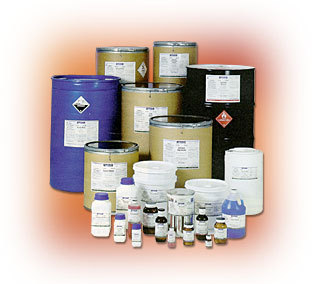
Ferric Chloride
Appearance : Dark brown crystals or powder
Ingredients : Iron and Chlorine compounds
Shelf Life : 1224 months in proper storage conditions
Usage : Used as a coagulant in water purification a catalyst in chemical reactions and as an etching agent
Shape : Irregular crystalline form, other
Density : 2.9 Gram per cubic centimeter(g/cm3)

Contact Details
JOSHI AGROCHEM PHARMA PRIVATE LIMITED
GST : 27AAFCJ1227Q1Z8
- 813, Topiwala Center, Opp. Railway Station, Goregaon (West), Mumbai - 400062, Maharashtra, India
- Phone :08045802973
 Send Inquiry
- For Chemicals - Solvents :
Mobile. +918097911779
For Pharma - API's :
Mobile. +918655564472
For Agro - Pesticides :
Mobile. +918080701491
For Metals :
Mobile. +919322422799


Developed and Managed by Infocom Network Private Limited.
