Call: 08045802973
 Send Inquiry

 Send Inquiry
Para Cresol
Para Cresol Specification
- Storage Instructions
- Store in a cool, dry, well-ventilated area away from oxidizing agents
- Odour
- Distinct phenolic odor
- Molecular Weight
- 108.14 g/mol
- Ph Level
- Approx. 8 - 9 (in aqueous solution)
- Appearance
- Clear to pale yellow liquid
- Density
- 1.034 Gram per cubic centimeter(g/cm3)
- Solubility
- Soluble in alcohol, ether, chloroform; slightly soluble in water
- Chemical Name
- Para Cresol
- Other Names
- 4-Methylphenol, p-Cresol
- Classification
- Aromatic Organic Compound
- CAS No
- 106-44-5
- Type
- Chemical Intermediate
- Application
- Disinfectants, Antioxidants, Fragrances, Pharmaceuticals
- Application Method
- Varies based on intended end use (formulation/processing)
- Raw Material
- Phenol
- Physical State
- Liquid
- Usage
- Industrial and Laboratory use
- Shelf Life
- 24 Months
- Purity(%)
- 99%
- Best Before
- Use within 2 years from manufacturing date
- Melting Point
- 32C
- UN Number
- 2076
- Compatibility
- Incompatible with oxidizing agents
- Packaging Type
- HDPE drums, ISO tank, bulk
- Stability
- Stable under normal conditions
- Toxicity
- Harmful if swallowed, inhaled, or absorbed through skin
- Boiling Point
- 201C
- HS Code
- 29071200
- Hazard Class
- 6.1 (Toxic substance)
- EC Number
- 203-398-6
- Refractive Index
- 1.540 at 20C
- Flash Point
- 86C (Closed cup)
About Para Cresol
Get It Now our celebrated Para Cresol (4-Methylphenol, p-Cresol) is highly recommended for its impeccable purity (99%) and valorous reliability in industrial and laboratory applications. This aromatic organic compound appears as a clear to pale yellow liquid with a distinct phenolic odor and boasts a boiling point of 201C. Packaged in HDPE drums, ISO tanks, or bulk formats, Para Cresol is stable under recommended conditions and best used within two years from manufacture. Grab this essential chemical intermediate for use in disinfectants, antioxidants, fragrances, and pharmaceuticals. Exported from India, it comes with absolute quality assurance, making it the trusted choice for manufacturers, traders, and importers worldwide.
Competitive Advantages and Usage Directions
Para Cresol stands out for its impeccable purity, valorous stability, and versatility across multiple industries. This product is highly sought after for its reliable performance as a chemical intermediate in disinfectants, antioxidants, fragrances, and pharmaceuticals. Its compatibility and adaptability to various application methods grant significant competitive advantages. For best results, pour or process Para Cresol as per your formulation demands, ensuring it is handled in a well-ventilated area following standard safety protocols.
Certifications, Packaging, and Export Markets
Our Para Cresol is celebrated for its compliance with stringent international standards and is supplied in robust HDPE drums, ISO tanks, or bulk containers to ensure safe shipment and order completion. Each batch is carefully packed for secure freight and prompt delivery. With a strong export presence in Asia, Europe, and the Americas, we guarantee timely order completion and hassle-free shipping, making us a preferred supplier in major industrial markets.
FAQs of Para Cresol:
Q: How should Para Cresol be stored and handled for optimal stability?
A: Store Para Cresol in a cool, dry, well-ventilated area away from oxidizing agents. Always handle it using appropriate personal protective equipment to ensure safety, and follow recommended storage guidelines to maintain its stability and effectiveness for up to 24 months.Q: What are the main benefits of using Para Cresol as a chemical intermediate?
A: Para Cresol offers celebrated purity and versatility, making it ideal for use in disinfectants, antioxidants, fragrances, and pharmaceuticals. Its high stability and compatibility with various solvents enhance process efficiency across different applications.Q: Where is Para Cresol primarily exported, and what packaging options are available?
A: Para Cresol is widely exported to Asia, Europe, and the Americas. It is available in secure HDPE drums, ISO tanks, and bulk packaging, ensuring safe and convenient shipment for different order sizes.Q: When is the best time to use Para Cresol to ensure maximum effectiveness?
A: For optimal performance, use Para Cresol within two years from the manufacturing date, ensuring it has been stored in recommended conditions to preserve its purity and stability.Q: What precautions should be taken during the use and processing of Para Cresol?
A: It is essential to use Para Cresol in a well-ventilated area, avoid contact with skin, and prevent inhalation or ingestion, as it is classified as a toxic substance. Always follow safety data sheet recommendations during formulation or processing.Q: How is Para Cresol applied in industrial or laboratory processes?
A: The application method varies based on the intended use. It can be incorporated directly into formulations for disinfectants, antioxidants, fragrances, or pharmaceuticals, following precise processing guidelines to maximize effectiveness.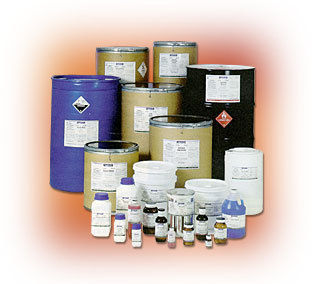
Tell us about your requirement

Price:
Quantity
Select Unit
- 50
- 100
- 200
- 250
- 500
- 1000+
Additional detail
Mobile number
Email

More Products in Solvent Chemical Category
GLUTARALDEHYDE
Appearance : Colorless to pale yellow clear liquid
Application : Disinfectant, Sterilizer, Fixative, Biocide
Usage : Hospital disinfectant, Industrial water treatment, Laboratory reagent, Leather tanning
Density : 1.13 Gram per cubic centimeter(g/cm3)
Raw Material : Glutaraldehyde
Solubility : Soluble in water, alcohol
CITRIC ACID
Appearance : Colorless, Odorless, Crystalline solid
Application : Food additive, Preservative, Beverage, Pharmaceuticals, Cosmetics, Industrial uses
Usage : Acidulant, Preserving agent, Flavor enhancer, Chelating agent
Density : 1.665 Gram per cubic centimeter(g/cm3)
Raw Material : Fermentation of carbohydrates (usually from corn or sugar beet)
Solubility : Soluble in water

DEXTROSE
Appearance : White crystalline powder
Application : Food, Pharmaceutical, Beverage, Confectionery
Usage : Sweetener, Energy Source, Nutrient
Density : 1.54 Gram per cubic centimeter(g/cm3)
Raw Material : Starch (usually from corn, wheat, or rice)
Solubility : Freely soluble in water
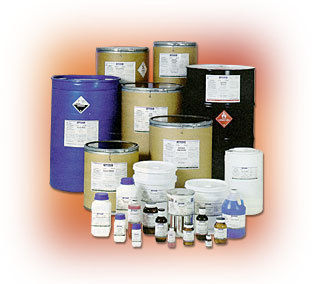
AMMONIUM CHLORIDE
Appearance : White crystalline powder
Application : Used in fertilizer pharmaceutical industry and as a laboratory reagent
Usage : Used as a nitrogen source in fertilizers flux in soldering and in pharmaceuticals
Density : 1.53 Gram per cubic centimeter(g/cm3)
Raw Material : Ammonia and hydrochloric acid
Solubility : Highly soluble in water

Contact Details
JOSHI AGROCHEM PHARMA PRIVATE LIMITED
GST : 27AAFCJ1227Q1Z8
- 813, Topiwala Center, Opp. Railway Station, Goregaon (West), Mumbai - 400062, Maharashtra, India
- Phone :08045802973
 Send Inquiry
- For Chemicals - Solvents :
Mobile. +918097911779
For Pharma - API's :
Mobile. +918655564472
For Agro - Pesticides :
Mobile. +918080701491
For Metals :
Mobile. +919322422799


Developed and Managed by Infocom Network Private Limited.
