
Call: 08045802973
 Send Inquiry
 Send Inquiry
Nitric acid
Nitric acid Specification
- Ph Level
- < 1 (strongly acidic)
- Odour
- Pungent acrid odor
- Density
- 1.51 Gram per cubic centimeter(g/cm3)
- Appearance
- Colorless or yellow liquid
- Molecular Weight
- 63.01 g/mol
- Solubility
- Miscible in water
- Storage Instructions
- Store in a cool dry and ventilated area away from incompatible substances
- Chemical Name
- Nitric Acid
- Other Names
- Aqua fortis Spirit of nitre
- Classification
- Corrosive substance
- CAS No
- 7697-37-2
- Type
- Mineral acid
- Application
- Used in fertilizer production explosives and chemical synthesis
- Application Method
- Industrial usage or chemical processes
- Raw Material
- N2O5 or nitrogen oxides and water
- Physical State
- Liquid
- Usage
- Chemical manufacturing laboratory reagent etching and cleaning
- Shelf Life
- Indefinite if stored properly
- Best Before
- Depends on storage; typically stable under optimal conditions
About Nitric acid
We are Importer, Exporter and Distributers. Available All Grade in Ready Stock. Quality Supply With Customers Satisfaction - Since 1971.
FAQs of Nitric acid:
Q: What is the chemical name of Nitric Acid?
A: Nitric Acid, also known as aqua fortis or Spirit of nitre.Q: What is the physical state of Nitric Acid?
A: Nitric Acid is a liquid with a pungently acrid odor.Q: What are the applications of Nitric Acid?
A: Nitric Acid is used in chemical manufacturing, laboratory reagent, etching, cleaning, fertilizer production, explosives, and chemical synthesis.Q: What is the shelf life of Nitric Acid?
A: The shelf life of Nitric Acid is indefinite if stored properly in a cool, dry, and ventilated area away from incompatible substances.Q: What is the molecular weight of Nitric Acid?
A: The molecular weight of Nitric Acid is 63.01 g/mol.Q: What is the classification of Nitric Acid?
A: Nitric Acid is classified as a corrosive substance with a pH level of less than 1 (strongly acidic).Q: How should Nitric Acid be stored?
A: Nitric Acid should be stored in a cool, dry, and ventilated area away from incompatible substances to ensure stability.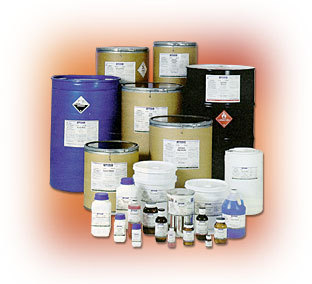
Tell us about your requirement

Price:
Quantity
Select Unit
- 50
- 100
- 200
- 250
- 500
- 1000+
Additional detail
Mobile number
Email

More Products in Solvent Chemical Category
DEXTRINE YELLOW
Ph Level : 5.0 7.0 (at 10% solution)
Odour : Odourless or Slight Odour
Density : 0.75 Gram per cubic centimeter(g/cm3)
Physical State : Other, Powder
Raw Material : Starch (Usually derived from maize or potato starch)
Type : Other , Industrial Grade
Lithium bromide
Ph Level : Neutral to slightly alkaline
Odour : Odourless
Density : 3.46 Gram per cubic centimeter(g/cm3)
Physical State : Other, Powder / Crystalline Solid
Raw Material : Lithium carbonate and hydrobromic acid
Type : Other , Technical Grade
CHROMIC ACID
Ph Level : <1 (very acidic, for aqueous solution)
Odour : Odourless
Density : 2.70 Gram per cubic centimeter(g/cm3)
Physical State : Other, Solid (Crystals) / Liquid (in solution)
Raw Material : Chromium Trioxide, Sulfuric Acid (for solution
Type : Other , Analytical Reagent Grade/Technical Grade
Trifluoro acetic acid
Ph Level : Highly acidic (pKa ~0.23)
Odour : Sharp acidic odor
Density : 1.535 Gram per cubic centimeter(g/cm3)
Physical State : Other, Liquid
Raw Material : Fluorinated compounds
Type : Chemical reagent, Other

Contact Details
JOSHI AGROCHEM PHARMA PRIVATE LIMITED
GST : 27AAFCJ1227Q1Z8
- 813, Topiwala Center, Opp. Railway Station, Goregaon (West), Mumbai - 400062, Maharashtra, India
- Phone :08045802973
 Send Inquiry
- For Chemicals - Solvents :
Mobile. +918097911779
For Pharma - API's :
Mobile. +918655564472
For Agro - Pesticides :
Mobile. +918080701491
For Metals :
Mobile. +919322422799


Developed and Managed by Infocom Network Private Limited.
