Call: 08045802973
 Send Inquiry
 Send Inquiry
Monocrotophos
Monocrotophos Specification
- CAS No
- 6923-22-4
- Purity(%)
- 98%
- State
- Liquid
- EINECS No
- 230-042-9
- Melting Point
- Monocrotophos is liquid at room temperature (melting point not applicable)
- Color
- Pale Yellow
- Active Ingredient
- Monocrotophos 36% SL
- Ash %
- 0.1
- Moisture (%)
- 0.2
- Molecular Formula
- C7H14NO5P
- Density
- 1.23 Gram per cubic centimeter(g/cm3)
- Properties
- Systemic and contact insecticide with acaricidal action
- Grade
- Technical Grade
- Water Content Vol%
- 0.5
- Appearance
- Clear to light yellow liquid
- Place of Origin
- India
- Shape
- Liquid
- Product Name
- Monocrotophos
- Ph Level
- 4.0 6.0
- Smell
- Mild
- Usage
- Agricultural pesticide for control of sucking and chewing insects
- Compatibility
- Compatible with most common pesticides
- Boiling Point
- 125C at 2 mmHg
- Packaging Type
- HDPE Drums, Bottle, Bulk
- Storage Conditions
- Store in dry, cool, well-ventilated place
- Flash Point
- >100C
- Toxicity
- Highly toxic (Category I, WHO) - use with care
- Mode of Action
- Acetylcholinesterase inhibitor
- Shelf Life
- 2 years in original sealed packaging
- Solubility
- Miscible with water
- Stability
- Stable under normal storage conditions
Monocrotophos Trade Information
- Supply Ability
- 1000 Per Month
- Delivery Time
- 7 Days
About Monocrotophos
"JOSHI AGRO & PESTICIDES" offers wide range of INSECTICIDES - PESTICIDES - FUNGISCIDES - WEEDICIDES - HERBICIDES for all Crops. Contract Manufacturer - exporter distributers. All grades available in Technical and Bulk Formulation also in small ready to spray pack.Exceptional Pest Control Efficacy
Monocrotophos acts as an acetylcholinesterase inhibitor, providing rapid control of a broad range of sucking and chewing pests in crops. Its systemic and contact activity ensures targeted action against insects, making it an asset for farmers seeking reliable crop protection and increased yields.
Safe Handling and Storage Guidelines
Given its high toxicity, Monocrotophos must be handled with extreme care. Store the product in its original sealed container, kept in a dry, cool, and well-ventilated space away from direct sunlight and food materials. Proper handling includes wearing protective gear and adhering strictly to recommended usage guidelines.
FAQs of Monocrotophos :
Q: How should Monocrotophos be applied to crops for optimal results?
A: Apply Monocrotophos as a foliar spray using suitable agricultural sprayers. Ensure thorough coverage of the target crops, adhering to recommended dilution ratios and application rates as specified by local regulations and crop requirements.Q: What are the benefits of using Monocrotophos in pest management?
A: Monocrotophos delivers rapid and effective control of a wide range of pests, including those that suck or chew plant tissues. Its systemic and contact mode of action offers comprehensive protection, helping to reduce crop losses and enhance overall yield.Q: When is the recommended time to apply Monocrotophos during the crop cycle?
A: Apply Monocrotophos at the early stage of pest infestation or at the first sign of insect presence for most effective results. Avoid application during flowering to protect pollinators and adhere to pre-harvest intervals as specified on the label.Q: Where can Monocrotophos be stored to ensure maximum shelf life and safety?
A: Store Monocrotophos in its original, tightly sealed packaging within a cool, dry, and well-ventilated storage facility. Keep it away from foodstuffs, animal feed, and direct sunlight to maintain its stability and prevent accidental exposure.Q: What safety measures should be followed while using Monocrotophos?
A: Wear suitable protective clothing, gloves, masks, and goggles while handling and applying Monocrotophos. Ensure adequate ventilation in the working area, avoid inhalation or skin contact, and follow all recommended precautions as stated on the product label due to its high toxicity.Q: Is Monocrotophos compatible with other agricultural pesticides?
A: Yes, Monocrotophos is compatible with most commonly used pesticides. It can be tank-mixed with other formulations, but always conduct a small-scale compatibility test before widespread application and consult with local agronomists if unsure.Q: What is the process of procuring Monocrotophos in India?
A: Monocrotophos can be sourced from authorized exporters, importers, manufacturers, suppliers, or traders in India. Ensure you purchase from certified vendors who provide genuine, sealed product packaging and relevant documentation for safe and legal usage.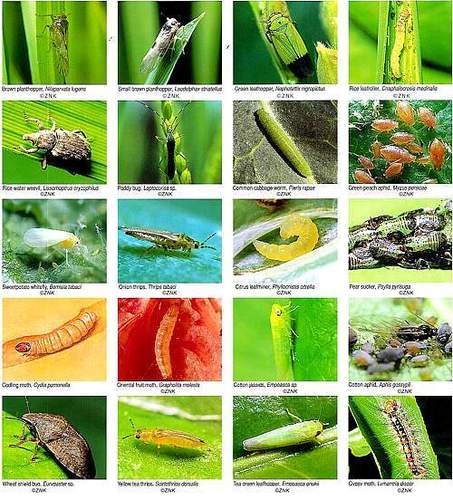
Tell us about your requirement

Price:
Quantity
Select Unit
- 50
- 100
- 200
- 250
- 500
- 1000+
Additional detail
Mobile number
Email

More Products in Insecticides Pesticides Category

Flubendiamide 19.92% + Thiacloprid 19.92% SC
Minimum Order Quantity : 25 Kilograms
Product Name : Flubendiamide 19.92% + Thiacloprid 19.92% SC
Grade : AGRICULTURE GRADE
Molecular Formula : C23H22F7IN2O4 (Flubendiamide), C10H9ClN4S (Thiacloprid)
Purity(%) : >98% (active ingredients combined)
CAS No : 272451657 (Flubendiamide), 111988499 (Thiacloprid)

Fipronil 7% + Hexithiazox 2% SC
Minimum Order Quantity : 25 Kilograms
Product Name : Fipronil 7% + Hexithiazox 2% SC
Grade : AGRICULTURE
Molecular Formula : Fipronil: C12H4Cl2F6N4OS; Hexithiazox: C8H14N2OS2
Purity(%) : Fipronil: 7%, Hexithiazox: 2%
CAS No : Fipronil: 120068373; Hexithiazox: 78587050
Acetamiprid 0.4% + Chlorpyrifos 20% EC
Minimum Order Quantity : 25 Kilograms
Product Name : Acetamiprid 0.4% + Chlorpyrifos 20% EC
Grade : AGRICULTURE GRADE
Molecular Formula : C10H11ClN4 + C9H11Cl3NO3PS
Purity(%) : Minimum 99.0% (for total active content)
CAS No : 135410207 (Acetamiprid), 2921882 (Chlorpyrifos)

Sulfosulfuron 75% + Metsulfuron Methyl 5% WG
Minimum Order Quantity : 25 Kilograms
Product Name : Sulfosulfuron 75% + Metsulfuron Methyl 5% WG
Grade : Technical/Agrochemical
Molecular Formula : C16H18N6O7S2 (Sulfosulfuron), C14H15N5O6S (Metsulfuron Methyl)
Purity(%) : Not less than 80%
CAS No : 141776321 (Sulfosulfuron), 74223646 (Metsulfuron Methyl)

Contact Details
JOSHI AGROCHEM PHARMA PRIVATE LIMITED
GST : 27AAFCJ1227Q1Z8
- 813, Topiwala Center, Opp. Railway Station, Goregaon (West), Mumbai - 400062, Maharashtra, India
- Phone :08045802973
 Send Inquiry
- For Chemicals - Solvents :
Mobile. +918097911779
For Pharma - API's :
Mobile. +918655564472
For Agro - Pesticides :
Mobile. +918080701491
For Metals :
Mobile. +919322422799


Developed and Managed by Infocom Network Private Limited.
