
Call: 08045802973
 Send Inquiry
 Send Inquiry
GLUTARALDEHYDE
GLUTARALDEHYDE Specification
- Ph Level
- Acidic (approx. 3.14.7 as supplied)
- Density
- 1.13 Gram per cubic centimeter(g/cm3)
- Solubility
- Soluble in water, alcohol
- Molecular Weight
- 100.12 g/mol
- Storage Instructions
- Store in a cool, dry, well-ventilated place away from direct sunlight and incompatible substances
- Appearance
- Colorless to pale yellow clear liquid
- Odour
- Pungent, sharp
- Chemical Name
- Glutaraldehyde
- Other Names
- Glutardialdehyde, Pentanedial, 1,5-Pentanedial
- Classification
- Biocide, Cross-linking agent, Disinfectant
- CAS No
- 111-30-8
- Type
- Liquid, Aqueous Solution
- Application
- Disinfectant, Sterilizer, Fixative, Biocide
- Application Method
- Dilution with water, Spray, Immersion, Wipe
- Raw Material
- Glutaraldehyde
- Physical State
- Liquid
- Usage
- Hospital disinfectant, Industrial water treatment, Laboratory reagent, Leather tanning
- Shelf Life
- 12-24 Months (Depending on storage)
- Purity(%)
- 25% or 50% (as specified)
- Drying Time
- Varies (typically 10-30 minutes for disinfecting surfaces)
- Best Before
- Within shelf life from date of manufacture
- Packing Type
- HDPE drums, IBC tanks, customized packaging on request
- Vapour Pressure
- 0.6 mmHg (20C)
- Hazard Information
- Corrosive; may cause severe burns, toxic by inhalation, skin contact and ingestion
- Stability
- Stable under recommended storage conditions
- UN Number
- UN 2922
- Melting Point
- -14C
- Flash Point
- > 90C
- Boiling Point
- 187C
- Refractive Index
- 1.401 (50% solution, 20C)
- Manufacturing Process
- Oxidation of cyclopentene or hexane-1,5-diol
- EC Number
- 203-856-5
- Decomposition Temperature
- Starts decomposing above 120C
About GLUTARALDEHYDE
Experience a masterful solution with our premium Glutaraldehyde, a celebrated chemical renowned in healthcare, industrial, and scientific spheres. Available at exceptional discount rates, this versatile, customizable product is spotlighted for its potent disinfectant and biocide properties. Provided in HDPE drums, IBC tanks, or tailored packaging, Glutaraldehyde is a colorless to pale yellow liquid boasting 25% or 50% purity. Remarked for its efficacy as a hospital disinfectant, industrial water treatment agent, and laboratory reagent, it is stable and safe when handled correctly, with a best-before window up to 24 months.
Versatility and Application for Every Surface
Glutaraldehyde is engineered for diverse surfacesstainless steel, glass, plastics, and moreensuring thorough disinfection and sterilization. Whether through spray, immersion, dilution, or wiping, this product suits both industrial and hospital uses. Users should wear suitable protective gear, dilute as specified, and follow safety instructions for effective surface treatment. Its remarkable efficiency makes it ideal for both large-scale and targeted applications.
Export Market Coverage and Delivery Excellence
We deliver Glutaraldehyde globally with premium transport services ensuring prompt, secure shipment. Our main export markets include Asia, Africa, Europe, and the Middle East. Each order is processed with maximum efficiency, keeping outlay competitive while guaranteeing high standards. Products are dispatched from major Indian FOB ports within the agreed delivery period, upholding our commitment to reliable supply chain management.
Versatility and Application for Every Surface
Glutaraldehyde is engineered for diverse surfacesstainless steel, glass, plastics, and moreensuring thorough disinfection and sterilization. Whether through spray, immersion, dilution, or wiping, this product suits both industrial and hospital uses. Users should wear suitable protective gear, dilute as specified, and follow safety instructions for effective surface treatment. Its remarkable efficiency makes it ideal for both large-scale and targeted applications.
Export Market Coverage and Delivery Excellence
We deliver Glutaraldehyde globally with premium transport services ensuring prompt, secure shipment. Our main export markets include Asia, Africa, Europe, and the Middle East. Each order is processed with maximum efficiency, keeping outlay competitive while guaranteeing high standards. Products are dispatched from major Indian FOB ports within the agreed delivery period, upholding our commitment to reliable supply chain management.
FAQs of GLUTARALDEHYDE:
Q: How should Glutaraldehyde be applied for maximum efficacy?
A: Glutaraldehyde should be diluted with water according to guidelines, then applied via spraying, immersion, or wiping, depending on the intended surface and usage application. Always use protective gear and follow safety protocols.Q: What are the main benefits of using Glutaraldehyde as a disinfectant?
A: Glutaraldehyde is renowned for its broad-spectrum antimicrobial action, rapid disinfection, and effectiveness on a variety of surfaces including in hospitals, laboratories, and industry. Its customizable application method further enhances its utility.Q: When does Glutaraldehyde start to decompose, and how should it be stored?
A: Glutaraldehyde begins decomposing above 120C. For optimum stability, store it in a cool, dry, well-ventilated area away from direct sunlight and incompatible substances.Q: Where are your main export markets for Glutaraldehyde?
A: Our Glutaraldehyde is primarily exported to markets in Asia, Africa, Europe, and the Middle East, with reliable shipping from Indias major FOB ports.Q: What is the recommended process for safe handling and usage of Glutaraldehyde?
A: Wear appropriate protective clothing, gloves, and eye protection. Handle in well-ventilated areas, and carefully follow the instructions for dilution and application to avoid hazards such as burns or toxicity.Q: How does customization in packaging benefit industrial buyers?
A: Customizable packaging options, such as HDPE drums and IBC tanks, ensure convenient, safe, and cost-effective handling and storage according to different buyers scale and operational needs.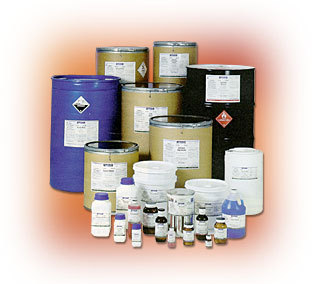
Tell us about your requirement

Price:
Quantity
Select Unit
- 50
- 100
- 200
- 250
- 500
- 1000+
Additional detail
Mobile number
Email

More Products in Solvent Chemical Category
Sodium metal
Other Names : Natronium
Application Method : Other, Direct chemical reactions
Appearance : Silverywhite solid
Usage : Manufacture of sodium compounds dry agents and nuclear coolant
Application : Used in chemical synthesis metal refinement and the production of sodium compounds
Density : 0.97 Gram per cubic centimeter(g/cm3)
CARBON DI SULPHIDE
Other Names : Carbon Disulfide, CS2
Application Method : Other, Direct use as solvent or intermediate
Appearance : Clear to pale yellow liquid
Usage : Chemical synthesis, laboratory reagent, industrial applications
Application : Industrial solvent, production of rayon, cellophane, carbon tetrachloride
Density : 1.263 Gram per cubic centimeter(g/cm3)
Vinyl acetate monomer
Other Names : [Acetoxyethylene Vinyl Acetic Ester]
Application Method : Industrial processes, Other
Appearance : Colorless liquid
Usage : Primarily used in polymer production and applications in adhesives and coatings
Application : Used in adhesives textile finishes plastics and as a polymer additive
Density : 0.931 Gram per cubic centimeter(g/cm3)
Resorcinol
Other Names : 13Benzenediol
Application Method : Other, Mix directly into formulations
Appearance : White to offwhite crystalline powder
Usage : Production of adhesives UV absorbers hair dyes and antiseptics
Application : Used in resin manufacturing pharmaceuticals and cosmetics
Density : 1.27 Gram per cubic centimeter(g/cm3)

Contact Details
JOSHI AGROCHEM PHARMA PRIVATE LIMITED
GST : 27AAFCJ1227Q1Z8
- 813, Topiwala Center, Opp. Railway Station, Goregaon (West), Mumbai - 400062, Maharashtra, India
- Phone :08045802973
 Send Inquiry
- For Chemicals - Solvents :
Mobile. +918097911779
For Pharma - API's :
Mobile. +918655564472
For Agro - Pesticides :
Mobile. +918080701491
For Metals :
Mobile. +919322422799


Developed and Managed by Infocom Network Private Limited.
