
Call: 08045802973
 Send Inquiry
 Send Inquiry
EPICHLOROHYDRINE
EPICHLOROHYDRINE Specification
- Appearance
- Clear, colorless liquid
- Odour
- Strong, pungent, chloroform-like
- Molecular Weight
- 92.52 g/mol
- Density
- 1.18 Gram per cubic centimeter(g/cm3)
- Solubility
- Miscible with most organic solvents, slight solubility in water
- Storage Instructions
- Store in a cool, dry, well-ventilated area away from direct sunlight, heat sources, and incompatible substances; keep container tightly closed
- Chemical Name
- Epichlorohydrine
- Other Names
- 1-Chloro-2,3-epoxypropane, ECH
- Classification
- Organic Chemical / Epoxide Compound
- CAS No
- 106-89-8
- Type
- Industrial Chemical
- Application
- Used in the manufacture of epoxy resins, elastomers, synthetic glycerin, water treatment chemicals, adhesives
- Application Method
- Used as a raw material in synthesis or formulation, handled in closed systems
- Raw Material
- Propylene
- Physical State
- Liquid
- Usage
- Chemical intermediate and industrial manufacturing
- Shelf Life
- 24 months
- Purity(%)
- >99%
- Best Before
- Use within shelf life for optimal quality
- UN Number
- 2023
- Melting Point
- -25C
- Refractive Index
- 1.438
- Environmental Hazards
- Harmful to aquatic life
- Stability
- Stable under recommended storage conditions
- HS Code
- 2910.30
- Hazard Class
- 6.1 (Toxic Substance)
- Viscosity
- 2.2 cP at 25C
- Boiling Point
- 117C
- Flash Point
- 28C (82F)
- Packaging Type
- Steel drums, IBC containers
- Vapor Pressure
- 16 mmHg at 20C
- Transport Regulations
- IMDG, IATA, ADR compliant
About EPICHLOROHYDRINE
EPICHLOROHYDRINE is a top-rated industrial chemical, prized in the manufacture of inestimable products such as epoxy resins, elastomers, and water treatment chemicals. With its redoubtable chemical stability and illustrious global demand, our Epichlorohydrine offers >99% purity, clarity, and strong chloroform-like odour. Find competitive pricing with usleading exporter, importer, and supplier in India. Packed in robust steel drums or IBC containers, our supply complies with the latest IMDG, IATA, and ADR regulations. Maximize efficiency and assurance with every batch, supported by strict quality standards and timely dispatch.
EPICHLOROHYDRINE: Versatile Uses, Competitive Strengths, and Industrial Impact
EPICHLOROHYDRINE is chiefly used as an essential chemical intermediate in high-value industrial sectors. Its competitive advantages stem from reliable purity, consistency, and adaptability, making it invaluable for plant applications such as epoxy resin synthesis, adhesives, and water treatment formulations. Our offering stands out due to seamless sourcing and compliance with stringent industry standardsdelivering consistent results for manufacturers, traders, and end-users seeking optimal productivity in their operations.
EPICHLOROHYDRINE: Packaging Integrity, Certifications, and Reliable Supply
Our EPICHLOROHYDRINE is securely packed and dispatched in industry-standard steel drums and IBC containers, ensuring safe handling and rate stability across all shipments. Certified under IMDG, IATA, and ADR transport regulations, we guarantee reliability and compliance at every stage. Supply ability is assured by our established export, import, and manufacturing networks, enabling customers to estimate delivery with confidence while maintaining product efficacy throughout its 24-month shelf life.
EPICHLOROHYDRINE: Versatile Uses, Competitive Strengths, and Industrial Impact
EPICHLOROHYDRINE is chiefly used as an essential chemical intermediate in high-value industrial sectors. Its competitive advantages stem from reliable purity, consistency, and adaptability, making it invaluable for plant applications such as epoxy resin synthesis, adhesives, and water treatment formulations. Our offering stands out due to seamless sourcing and compliance with stringent industry standardsdelivering consistent results for manufacturers, traders, and end-users seeking optimal productivity in their operations.
EPICHLOROHYDRINE: Packaging Integrity, Certifications, and Reliable Supply
Our EPICHLOROHYDRINE is securely packed and dispatched in industry-standard steel drums and IBC containers, ensuring safe handling and rate stability across all shipments. Certified under IMDG, IATA, and ADR transport regulations, we guarantee reliability and compliance at every stage. Supply ability is assured by our established export, import, and manufacturing networks, enabling customers to estimate delivery with confidence while maintaining product efficacy throughout its 24-month shelf life.
FAQs of EPICHLOROHYDRINE:
Q: How should EPICHLOROHYDRINE be stored for optimal stability?
A: EPICHLOROHYDRINE should be stored in a cool, dry, and well-ventilated area away from heat sources, direct sunlight, and incompatible materials. Ensure the container is tightly closed to maintain its stability and quality throughout its shelf life.Q: What are the main industrial applications of EPICHLOROHYDRINE?
A: EPICHLOROHYDRINE is primarily used as a raw material in the synthesis and formulation of epoxy resins, elastomers, adhesives, synthetic glycerin, and water treatment chemicals. Its versatility makes it an indispensable chemical in various manufacturing processes.Q: When is the best time to use EPICHLOROHYDRINE for manufacturing processes?
A: EPICHLOROHYDRINE achieves peak performance when used within its 24-month shelf life. For optimal results and safety, use the chemical before its best-before date and under recommended storage conditions to ensure maximum efficacy and purity.Q: Where is EPICHLOROHYDRINE produced and supplied from?
A: We are based in India, offering EPICHLOROHYDRINE as a manufacturer, exporter, importer, supplier, and trader. Our robust supply network enables consistent availability and delivery worldwide in compliance with global standards.Q: What are the packing and transport regulations for EPICHLOROHYDRINE shipments?
A: EPICHLOROHYDRINE is packed in steel drums or IBC containers and complies with IMDG, IATA, and ADR regulations to ensure safe and lawful transportation domestically and internationally.Q: How is EPICHLOROHYDRINE typically used in plant operations or formulations?
A: EPICHLOROHYDRINE is used as a chemical intermediate in closed-system plant operations, either as a raw material for synthesis or as part of custom formulations in industrial settings, ensuring minimal exposure and maximum process efficiency.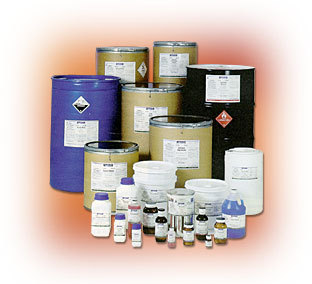
Tell us about your requirement

Price:
Quantity
Select Unit
- 50
- 100
- 200
- 250
- 500
- 1000+
Additional detail
Mobile number
Email

More Products in Solvent Chemical Category
Potasium nitrite
Physical State : Other, Solid (Crystalline powder or granules)
Application Method : Other, Varies (as per application requirements)
Chemical Name : Potassium Nitrite
Classification : Other, Inorganic chemical compound
Other Names : Nitric acid, potassium salt; Potassium mononitrite
Solubility : Highly soluble in water
BENZALKONIUM CHLORIDE 50%
Physical State : Other, Liquid
Application Method : Other, Dilution as per desired concentration before use
Chemical Name : Benzalkonium Chloride
Classification : Other, Quaternary ammonium compound
Other Names : BAC BKC
Solubility : Soluble in water
Mono chloro acetic acid
Physical State : Other, Solid (Crystalline) or Molten
Application Method : Other, As a chemical intermediate or raw material in synthesis processes
Chemical Name : Mono Chloro Acetic Acid
Classification : Other, Organic Acid
Other Names : Chloroacetic Acid; MCA; Chloroethanoic Acid
Solubility : Soluble in water, ethanol, acetone, and methanol
Trichloro ethylene
Physical State : Other, Liquid
Application Method : Apply in controlled ventilated settings, Other
Chemical Name : Trichloroethylene
Classification : Other, Halogenated hydrocarbon
Other Names : TCE Ethylene trichloride
Solubility : Slightly soluble in water

Contact Details
JOSHI AGROCHEM PHARMA PRIVATE LIMITED
GST : 27AAFCJ1227Q1Z8
- 813, Topiwala Center, Opp. Railway Station, Goregaon (West), Mumbai - 400062, Maharashtra, India
- Phone :08045802973
 Send Inquiry
- For Chemicals - Solvents :
Mobile. +918097911779
For Pharma - API's :
Mobile. +918655564472
For Agro - Pesticides :
Mobile. +918080701491
For Metals :
Mobile. +919322422799


Developed and Managed by Infocom Network Private Limited.
