Call: 08045802973
 Send Inquiry
 Send Inquiry
Dodine
Dodine Specification
- Water Content Vol%
- 0.5%
- Grade
- Technical Grade
- Ash %
- 0.2%
- Molecular Formula
- C7H16N2O2
- Ph Level
- 5.0 - 7.0 (1% solution)
- EINECS No
- 219-432-0
- Melting Point
- 148-150C
- Density
- 1.06 Gram per cubic centimeter(g/cm3)
- Properties
- Soluble in water, stable under normal storage conditions
- CAS No
- 2439-10-3
- State
- Powder
- Moisture (%)
- 0.5%
- Product Name
- Dodine
- Active Ingredient
- Dodine
- Place of Origin
- India
- Color
- White
- Shape
- Granular or Crystalline
- Appearance
- White to off-white powder
- Smell
- Characteristic
- Purity(%)
- 98%
- Compatibility
- Compatible with most commonly used fungicides, except strong acids or alkalis
- Packaging Type
- 25 kg fiber drum or as required
- HS Code
- 29349900
- Application
- Control of scab, leaf spot, and other fungal diseases in fruits
- Mode of Action
- Inhibits sterol biosynthesis in fungal cell membranes
- Shelf Life
- 2 years if properly stored
- Toxicity
- Moderately hazardous (WHO Class II)
- Storage Conditions
- Store in cool, dry, well-ventilated area away from direct sunlight
- Boiling Point
- Decomposes before boiling
- Solubility
- Soluble in water, slightly soluble in ethanol
Dodine Trade Information
- Supply Ability
- 1000 Per Month
- Delivery Time
- 7 Days
About Dodine
Dodine
JOSHI AGRO & PESTICIDES offers wide range of INSECTICIDES - PESTICIDES - FUNGISCIDES - WEEDICIDES - HERBICIDES for all Crops. Contract Manufacturer - exporter distributers. All grades available in Technical and Bulk Formulation also in small ready to spray pack.
Efficient Control of Fungal Diseases
Dodine targets a spectrum of fungal diseases such as scab and leaf spot, notably in fruit production. Its primary action is the inhibition of sterol biosynthesis within fungal cell membranes, preventing the development and spread of pathogenic fungi. This creates healthier crops and supports high-quality yields for growers seeking reliable agricultural solutions.
Physical & Chemical Profile
Dodine is supplied as a white to off-white powder or granules, with a melting point of 148-150C. It is highly soluble in water and only slightly soluble in ethanol, remaining stable under cool, dry, well-ventilated storage. The product boasts high purity (98%) and maintains excellent performance when stored away from acids, alkalis, and direct sunlight.
Packaging and Safe Storage
Dodine is available in 25 kg fiber drums or customized packaging as needed. To preserve its effectiveness and extend its two-year shelf life, store Dodine in a location that is dry, free from direct sunlight, and well-ventilated. Following these safety conditions ensures product quality for the duration of its shelf life.
FAQs of Dodine:
Q: How should Dodine be stored to maintain its efficacy?
A: Dodine should be stored in a cool, dry, well-ventilated area away from direct sunlight, strong acids, and alkalis. Proper storage ensures product stability and preserves its two-year shelf life.Q: What process does Dodine use to control fungal diseases?
A: Dodine functions by inhibiting sterol biosynthesis in the cell membranes of fungi, disrupting their growth and preventing the spread of diseases such as scab and leaf spot on fruit crops.Q: When is Dodine most effectively applied to crops?
A: Dodine is best applied as a preventative measure at the onset of conditions favorable for fungal development or upon first signs of infection. Regular monitoring of crops ensures timely and effective application.Q: Where is the best place to use Dodine in agriculture?
A: Dodine is ideally suited for fruit cultivation, where it helps control major fungal diseases. It is compatible with most fungicides, making it practical for integrated disease management programs, provided it is not mixed with strong acids or alkalis.Q: What are the safety and toxicity considerations for using Dodine?
A: Dodine is classified as moderately hazardous (WHO Class II). Appropriate safety measures, such as wearing protective clothing and avoiding inhalation or direct contact, should be followed during handling and application.Q: What are the primary benefits of using Dodine for disease control?
A: Dodine provides effective and targeted control of problematic fungi, promotes healthy crop development, and is compatible with standard fungicides except strong acids or alkalis. Its water solubility and stable storage make it convenient for growers.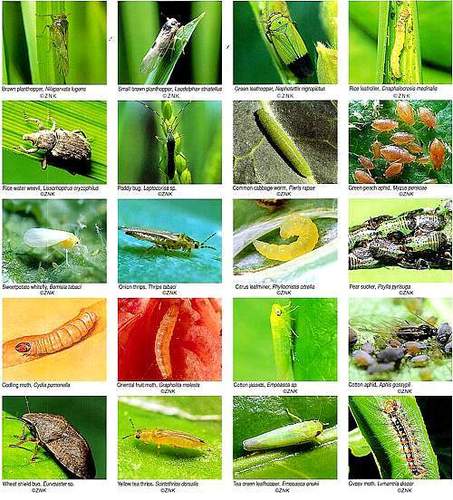
Tell us about your requirement

Price:
Quantity
Select Unit
- 50
- 100
- 200
- 250
- 500
- 1000+
Additional detail
Mobile number
Email

More Products in Insecticides Pesticides Category
Dinotefuran 4% + Acephate 50% SG
Minimum Order Quantity : 25 Kilograms
Place of Origin : India
Ash % : 0.5%
Active Ingredient : Dinotefuran 4%, Acephate 50%
Moisture (%) : 2.0%
Grade : Agricultural Grade
Hexaconazole 4% + Carbendazim 16% SC
Minimum Order Quantity : 25 Kilograms
Place of Origin : India
Ash % : 0.1%
Active Ingredient : Hexaconazole 4% w/w + Carbendazim 16% w/w
Moisture (%) : 0.5%
Grade : Agricultural Grade
Tricyclazole 20.4% + Azoxystrobin 6.8% SC
Minimum Order Quantity : 25 Kilograms
Place of Origin : India
Ash % : 0.5%
Active Ingredient : Tricyclazole 20.4% w/w + Azoxystrobin 6.8% w/w
Moisture (%) : 0.5%
Grade : Agricultural Grade
Thiamethoxam 0.9 % + Fipronil 0.2% Gr
Minimum Order Quantity : 25 Kilograms
Place of Origin : India
Ash % : Max 4.0%
Active Ingredient : Thiamethoxam 0.9% w/w, Fipronil 0.2% w/w
Moisture (%) : 2.0%
Grade : Technical Grade

Contact Details
JOSHI AGROCHEM PHARMA PRIVATE LIMITED
GST : 27AAFCJ1227Q1Z8
- 813, Topiwala Center, Opp. Railway Station, Goregaon (West), Mumbai - 400062, Maharashtra, India
- Phone :08045802973
 Send Inquiry
- For Chemicals - Solvents :
Mobile. +918097911779
For Pharma - API's :
Mobile. +918655564472
For Agro - Pesticides :
Mobile. +918080701491
For Metals :
Mobile. +919322422799


Developed and Managed by Infocom Network Private Limited.
