
Call: 08045802973
 Send Inquiry
 Send Inquiry
Diphenylmethane
Diphenylmethane Specification
- Melting Point
- 22-24°C
- Smell
- Mild aromatic odor
- Application
- Used in the production of polyurethanes resin intermediates and as a chemical intermediate
- Appearance
- Colorless to pale yellow liquid or crystalline solid (at lower temperatures)
- Shape
- Amorphous or liquid (temperature-dependent)
- Physical Form
- Liquid at room temperature or solid (depending on temperature)
- Ingredients
- Pure diphenylmethane
- Properties
- Aromatic hydrocarbon with stable chemical properties and high-performance characteristics in polymer production
- Taste
- Odorless and tasteless
- Solubility
- Insoluble in water; soluble in organic solvents such as alcohol and ether
- Purity
- 99% or higher
- CAS No
- 101-81-5
- EINECS No
- 202-978-6
- Shelf Life
- Up to 2 years under proper storage conditions
- Refractive Rate
- 1.5950 at 20°C
- Molecular Weight
- 168.23 g/mol
- Grade
- Industrial grade
- Ph Level
- Neutral (approximately 7)
- Density
- 1.01 Gram per cubic centimeter(g/cm3)
- Poisonous
- NO
- Storage
- Store in a cool dry and well-ventilated area away from incompatible materials
- Molecular Formula
- C13H12
- HS Code
- 29029090
- Structural Formula
- C6H5-CH2-C6H5
- Usage
- Primarily industrial; not suitable for direct consumer use
About Diphenylmethane
We are Contract Manufacturer, Exporter and Distributers of various products. Major All products are available as per specification require by client in all grades. Quality Supply With Customer Satisfaction - Since 1971.FAQs of Diphenylmethane:
Q: Is Diphenylmethane poisonous?
A: No, Diphenylmethane is not poisonous.Q: What is the primary application of Diphenylmethane?
A: Diphenylmethane is primarily used in the production of polyurethanes resin intermediates and as a chemical intermediate.Q: What is the physical form of Diphenylmethane?
A: Diphenylmethane can be in a liquid state at room temperature or a solid state depending on the temperature.Q: How should Diphenylmethane be stored?
A: Diphenylmethane should be stored in a cool, dry, and well-ventilated area away from incompatible materials.Q: What is the molecular weight of Diphenylmethane?
A: The molecular weight of Diphenylmethane is 168.23 g/mol.
Tell us about your requirement

Price:
Quantity
Select Unit
- 50
- 100
- 200
- 250
- 500
- 1000+
Additional detail
Mobile number
Email

More Products in Chemical Supplies Category
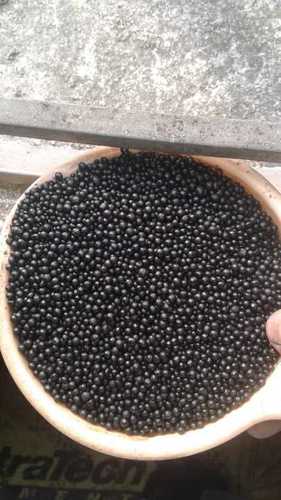
IODINE
Physical Form : Solid
Ingredients : Pure Iodine
Application : Other , Pharmaceutical, industrial, laboratory, analytical reagent, disinfectant, photography, dyes
Appearance : Shiny, violetblack crystals
Shape : other, Crystalline
Smell : Other, Pungent, characteristic odor
Butylated hydroxytoluene
Physical Form : White to light yellow crystalline powder or granules, Other
Ingredients : Butylated hydroxytoluene
Application : Food industry as an antioxidant cosmetics pharmaceuticals industrial applications, Other
Appearance : White to light yellow crystalline powder
Shape : Powder or granular, other
Smell : Other, Mild characteristic odor
Pivalic acid
Physical Form : Crystalline solid or powder, Other
Ingredients : Pivalic acid (C5H10O2)
Application : Other , Used in organic synthesis pharmaceuticals and as a precursor for esters
Appearance : White crystalline or powder form
Shape : other, Granular or crystalline solid
Smell : Other, Pungent vinegarlike odor
Potassium ferricyanide
Physical Form : Other, Crystalline solid
Ingredients : Potassium iron cyanide ions
Application : Photography blueprints electroplating analytical chemistry, Other
Appearance : Bright red crystals or powder
Shape : Crystalline, other
Smell : Other, Odorless

Contact Details
JOSHI AGROCHEM PHARMA PRIVATE LIMITED
GST : 27AAFCJ1227Q1Z8
- 813, Topiwala Center, Opp. Railway Station, Goregaon (West), Mumbai - 400062, Maharashtra, India
- Phone :08045802973
 Send Inquiry
- For Chemicals - Solvents :
Mobile. +918097911779
For Pharma - API's :
Mobile. +918655564472
For Agro - Pesticides :
Mobile. +918080701491
For Metals :
Mobile. +919322422799


Developed and Managed by Infocom Network Private Limited.
