
Call: 08045802973
 Send Inquiry
 Send Inquiry
Cuprous Oxide
Cuprous Oxide Specification
- Water Content Vol%
- 0.5%
- Density
- 6.0 Gram per cubic centimeter(g/cm3)
- Active Ingredient
- Cuprous Oxide (Cu2O)
- Properties
- Insoluble in water, soluble in ammonium hydroxide, decomposes upon heating
- Shape
- Powder
- EINECS No
- 215-270-7
- State
- Powder
- Color
- Red
- Appearance
- Red or reddish-brown fine powder
- Molecular Formula
- Cu2O
- Purity(%)
- 98%
- Melting Point
- 1235C
- CAS No
- 1317-39-1
- Moisture (%)
- 0.5%
- Smell
- Odorless
- Grade
- Industrial Grade
- Place of Origin
- India
- Ash %
- 1.0%
- Ph Level
- 7 (neutral)
- Product Name
- Cuprous Oxide
- Shelf Life
- 2 Years
- Packing
- 25kg/50kg bags
- Storage
- Store in a cool, dry, and well-ventilated place
- Application
- Used in antifouling paints, ceramics, pigments, agricultural fungicides, and as a catalyst
- Toxicity
- Harmful if swallowed or inhaled
- Particle Size
- customizable, commonly 200 mesh
- Solubility
- Insoluble in water, soluble in ammonia and acids
- Specific Gravity
- 6.0
Cuprous Oxide Trade Information
- Supply Ability
- 1000 Per Month
- Delivery Time
- 7 Days
About Cuprous Oxide
Cuprous Oxide
JOSHI AGRO & PESTICIDES offers wide range of INSECTICIDES - PESTICIDES - FUNGISCIDES - WEEDICIDES - HERBICIDES for all Crops. Contract Manufacturer - exporter distributers. All grades available in Technical and Bulk Formulation also in small ready to spray pack.
Versatile Industrial Applications
Cuprous Oxide is valued for its distinct chemical properties, such as high purity, insolubility in water, and solubility in ammonia and acids. These make it essential in antifouling paints, where it helps prevent biofouling on marine surfaces, in ceramic glazes, as a pigment in paints, in agricultural fungicides, and as a catalyst in chemical reactions. Its adaptability enhances both performance and cost-effectiveness across industries.
Quality and Packaging Assurance
Manufactured in India, Cuprous Oxide is available in two standard packing options: 25kg and 50kg bags, ensuring convenient storage and transport. With a customizable particle sizecommonly 200 meshthis product meets varied industrial requirements. Its purity is rigorously maintained at 98%, ensuring optimal results in end applications and compliance with international standards.
FAQs of Cuprous Oxide:
Q: How should Cuprous Oxide be stored to maintain its shelf life?
A: Cuprous Oxide should be stored in a cool, dry, and well-ventilated place to preserve its stability and efficacy. Avoid exposure to moisture or direct sunlight, as improper storage can reduce its two-year shelf life.Q: What are the primary uses of Cuprous Oxide in industry?
A: This compound is widely used in antifouling paints, ceramics, pigments, agricultural fungicides, and as a catalyst. Its specific chemical properties make it effective in each of these applications, enhancing performance and durability.Q: When should Cuprous Oxide be applied in agricultural or marine environments?
A: In agriculture, it is typically used during orchard or crop protection routines, while in marine environments, it should be mixed into antifouling paints prior to vessel maintenance or repainting, following industry-specific schedules.Q: Where does the Cuprous Oxide supplied originate from?
A: This industrial-grade Cuprous Oxide is manufactured in India, ensuring quality production and reliable supply for exporters, importers, manufacturers, suppliers, and traders.Q: What is the process for customizing particle size of Cuprous Oxide?
A: Upon request, manufacturers custom-mill the Cuprous Oxide to the desired particle size, commonly achieving 200 mesh or other client-specified micron levels, ensuring suitability for diverse industrial applications.Q: How does Cuprous Oxide benefit antifouling paint formulations?
A: Cuprous Oxide acts as an active biocide in antifouling paints, helping prevent unwanted marine organism growth on ship hulls and underwater structures, thus improving vessel efficiency and reducing maintenance costs.Q: What precautions should be taken when handling Cuprous Oxide?
A: Since it is harmful if swallowed or inhaled, appropriate protective equipment such as gloves, masks, and eye protection should be used. Work in well-ventilated areas and follow local safety guidelines to minimize exposure risks.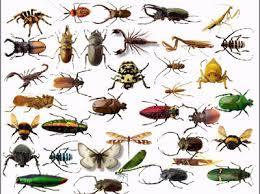
Tell us about your requirement

Price:
Quantity
Select Unit
- 50
- 100
- 200
- 250
- 500
- 1000+
Additional detail
Mobile number
Email

More Products in Insecticides Pesticides Category

HYDROGEN CYANAMID 50% SL
Minimum Order Quantity : 25 Kilograms
Water Content Vol% : Not more than 50%
Shape : other
State : Liquid
Color : Pale yellow to yellowish
Density : 1.127 Gram per cubic centimeter(g/cm3)

Quizalofop Ethyl 5% &10% EC
Minimum Order Quantity : 25 Kilograms
Water Content Vol% : <0.5%
Shape : other, Liquid
State : Liquid
Color : Yellow to brown
Density : 1.10 Gram per cubic centimeter(g/cm3)
Dimethoate
Water Content Vol% : 0.4%
Shape : other, Liquid
State : Liquid
Color : Colorless to pale yellow
Density : 1.20 Gram per cubic centimeter(g/cm3)
Chlorothalonil-10%EC
Water Content Vol% : 0.5%
Shape : other, Liquid
State : Liquid
Color : Pale Yellow
Density : 1.07 Gram per cubic centimeter(g/cm3)

Contact Details
JOSHI AGROCHEM PHARMA PRIVATE LIMITED
GST : 27AAFCJ1227Q1Z8
- 813, Topiwala Center, Opp. Railway Station, Goregaon (West), Mumbai - 400062, Maharashtra, India
- Phone :08045802973
 Send Inquiry
- For Chemicals - Solvents :
Mobile. +918097911779
For Pharma - API's :
Mobile. +918655564472
For Agro - Pesticides :
Mobile. +918080701491
For Metals :
Mobile. +919322422799


Developed and Managed by Infocom Network Private Limited.
