Call: 08045802973
 Send Inquiry
 Send Inquiry
Chlorothalonil
Chlorothalonil Specification
- Color
- Light yellow
- Melting Point
- 250C
- Properties
- Broad-spectrum, non-systemic fungicide
- Moisture (%)
- 0.3%
- Purity(%)
- 98%
- Active Ingredient
- Chlorothalonil
- Grade
- Technical
- Product Name
- Chlorothalonil
- Molecular Formula
- C8Cl4N2
- Shape
- Granular
- Ash %
- 0.2%
- Density
- 1.66 Gram per cubic centimeter(g/cm3)
- State
- Powder
- Place of Origin
- China
- Smell
- Odorless
- Water Content Vol%
- 0.3%
- Appearance
- Light yellow granular powder
- Ph Level
- 6.5 7.5
- EINECS No
- 217-588-1
- CAS No
- 1897-45-6
- Application
- Used for prevention and control of fungal diseases in crops such as peanuts, grapes, vegetables, and cereals
- Vapor Pressure
- 0.000005 mmHg at 25C
- HS Code
- 29336990
- Packing
- 25 kg/drum or customized
- Solubility
- Insoluble in Water, soluble in organic solvents (acetone, ethanol, xylene)
- Toxicity
- Low toxicity for humans and animals; toxic to aquatic organisms
- Shelf Life
- 2 Years
- Flash Point
- Not applicable (decomposes before boiling)
- Boiling Point
- Decomposes
- Storage Conditions
- Keep in cool, dry, well-ventilated area
Chlorothalonil Trade Information
- Supply Ability
- 1000 Per Month
- Delivery Time
- 7 Days
About Chlorothalonil
"JOSHI AGRO & PESTICIDES" offers wide range of INSECTICIDES - PESTICIDES - FUNGISCIDES - WEEDICIDES - HERBICIDES for all Crops. Contract Manufacturer - exporter distributers. All grades available in Technical and Bulk Formulation also in small ready to spray pack.Advanced Crop Protection with Broad-Spectrum Fungicide
Chlorothalonil delivers robust defense against numerous fungal threats in agriculture. Its non-systemic action means it remains on the plant surface to fight off pathogens effectively, making it a trusted choice for safeguarding vital crops. Its versatility extends across diverse plants, from vegetables to cereals and grapes, without being absorbed into plant tissue, ensuring food safety and environmental reliability.
Optimal Storage Prolongs Shelf Life
Maintaining Chlorothalonils effectiveness requires storage in cool, dry, and well-ventilated conditions. When stored as recommended, this light yellow granular powder retains its stability for up to two years. Proper packaging, such as 25 kg drums or customized containers, ensures product integrity during transport and storage, reducing the risk of decomposition or contamination.
FAQs of Chlorothalonil:
Q: How should Chlorothalonil be stored to maintain its effectiveness?
A: Chlorothalonil should be kept in a cool, dry, well-ventilated area. It should remain in its original drum or custom packaging, sealed securely, and stored away from direct sunlight and moisture to preserve its two-year shelf life.Q: What is the recommended application process for using Chlorothalonil on crops?
A: To use Chlorothalonil, it should be dissolved in a compatible organic solvent or applied as directed by agricultural guidelines. Follow label instructions regarding dosage and frequency to ensure optimal prevention and control of fungal diseases in peanuts, grapes, vegetables, and cereals.Q: When is the best time to apply Chlorothalonil to crops for maximum effectiveness?
A: Chlorothalonil should be applied at the first sign of fungal disease or as a preventive measure during periods of high humidity or rainfall, which are conducive to fungal growth. Regular monitoring of crops will help determine the optimal application timing.Q: Where is Chlorothalonil typically used and in what kinds of crops?
A: Chlorothalonil is widely utilized in agriculture across India and globally, especially for protecting peanuts, grapes, vegetables, and cereal crops. Its broad-spectrum properties make it suitable for various farming environments and crop types.Q: What are the major benefits of using Chlorothalonil as a fungicide?
A: Chlorothalonil provides excellent broad-spectrum protection against a range of fungal pathogens, helping to preserve crop yields and quality. Its low toxicity for humans and animals, combined with an effective barrier action, makes it a reliable and safe choice for farmers.Q: How should users handle Chlorothalonil to ensure safety and environmental compliance?
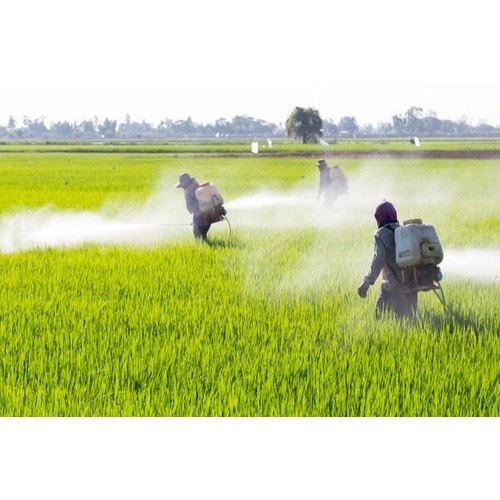
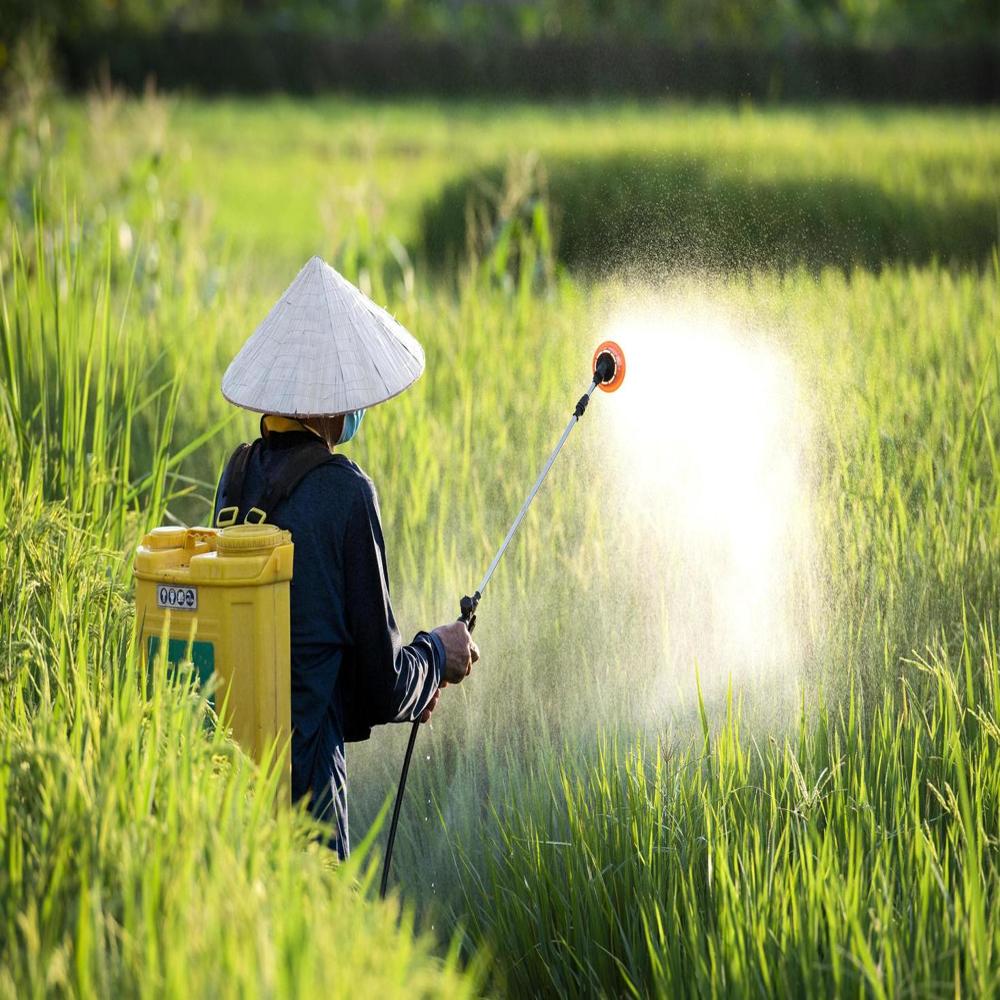
A: While Chlorothalonil has low toxicity for humans and animals, appropriate protective gear should be worn during handling. Care should be taken to prevent contamination of water bodies, as the product is toxic to aquatic organisms. Follow all local regulations on use and disposal.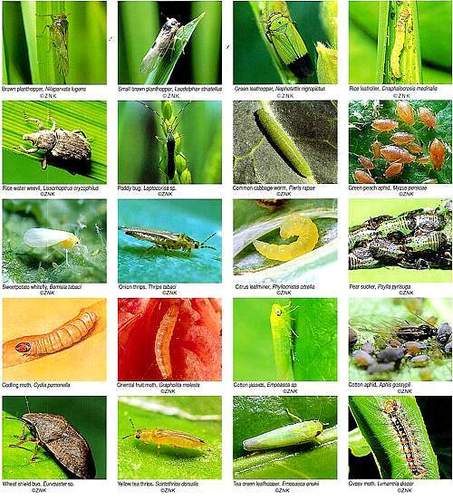
Tell us about your requirement

Price:
Quantity
Select Unit
- 50
- 100
- 200
- 250
- 500
- 1000+
Additional detail
Mobile number
Email

More Products in Insecticides Pesticides Category
Cartap Hydrochloride 50% SP / 75% SG
Minimum Order Quantity : 25 Kilograms
Color : White
Purity(%) : 50% (SP) / 75% (SG)
Product Name : Cartap Hydrochloride 50% SP / 75% SG
Grade : Agricultural Grade
Place of Origin : India
Fenamidone 4.44% + Fosetel Al 66.67% WDG
Minimum Order Quantity : 25 Kilograms
Color : Offwhite to beige
Purity(%) : Min 96% (combined)
Product Name : Fenamidone 4.44% + Fosetel Al 66.67% WDG
Grade : Agricultural Grade
Place of Origin : India
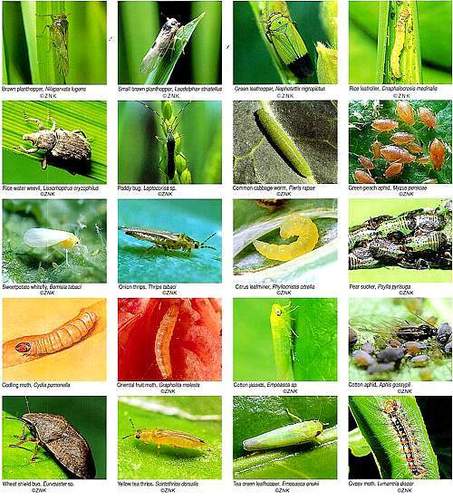
Ethiprole
Color : White
Purity(%) : 95.0
Product Name : Ethiprole
Grade : Technical
Place of Origin : India
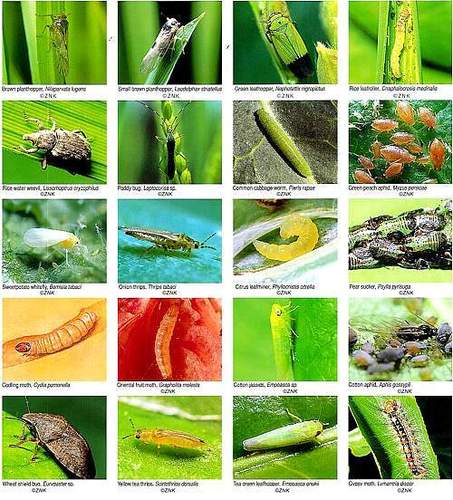
Gibberellic Acid
Color : Off White
Purity(%) : 90% TC
Product Name : Gibberellic Acid
Grade : BioTech Grade
Place of Origin : India

Contact Details
JOSHI AGROCHEM PHARMA PRIVATE LIMITED
GST : 27AAFCJ1227Q1Z8
- 813, Topiwala Center, Opp. Railway Station, Goregaon (West), Mumbai - 400062, Maharashtra, India
- Phone :08045802973
 Send Inquiry
- For Chemicals - Solvents :
Mobile. +918097911779
For Pharma - API's :
Mobile. +918655564472
For Agro - Pesticides :
Mobile. +918080701491
For Metals :
Mobile. +919322422799


Developed and Managed by Infocom Network Private Limited.
