Call: 08045802973
 Send Inquiry
 Send Inquiry
Chitosan
Chitosan Specification
- Melting Point
- Decomposes above 200C
- State
- Solid
- Appearance
- White to Off-white Fine Powder
- Color
- White/Off-white
- EINECS No
- 618-480-0
- Molecular Formula
- (C6H11NO4)n
- Ash %
- 1.0%
- Place of Origin
- China
- CAS No
- 9012-76-4
- Water Content Vol%
- 10%
- Smell
- Odorless
- Ph Level
- 6.5 8.5
- Purity(%)
- 85%
- Density
- 1.5 Gram per cubic centimeter(g/cm3)
- Properties
- Biodegradable, Non-toxic, Film-forming
- Grade
- Industrial/Pharmaceutical Grade
- Active Ingredient
- Chitosan
- Product Name
- Chitosan
- Shape
- Powder
- Moisture (%)
- 10%
- Particle Size
- 80 - 100 mesh
- Solubility
- Insoluble in water, soluble in dilute acids
- Storage Condition
- Store in cool, dry place
- Heavy Metals
- 10 ppm
- Shelf Life
- 2 years
- Degree of Deacetylation
- 85%
Chitosan Trade Information
- Supply Ability
- 1000 Per Month
- Delivery Time
- 7 Days
About Chitosan
"JOSHI AGRO & PESTICIDES" offers wide range of INSECTICIDES - PESTICIDES - FUNGISCIDES - WEEDICIDES - HERBICIDES for all Crops. Contract Manufacturer - exporter distributers. All grades available in Technical and Bulk Formulation also in small ready to spray pack.Quality and Composition
With a molecular formula of (C6H11NO4)n and a degree of deacetylation of 85%, this chitosan meets strict purity standards for both industrial and pharmaceutical grades. It is a solid biopolymer with a particle size between 80 and 100 mesh, ensuring consistent processing and application flexibility.
Applications and Benefits
Chitosans unique propertiesincluding film formation, biodegradability, and non-toxicitymake it valuable for water purification, biomedical devices, food processing, and drug delivery systems. Its ability to form films and act as a stable excipient contributes to enhanced product performance in multiple sectors.
Handling and Storage
For optimal longevity, chitosan powder should be stored in a cool, dry environment, avoiding exposure to moisture and direct sunlight. Proper storage preserves its effectiveness, ensuring the material remains odorless, retains its granular integrity, and extends its shelf life to two years.
FAQs of Chitosan:
Q: How should chitosan powder be stored to maintain its quality?
A: Chitosan powder needs to be kept in a cool, dry place with minimal exposure to moisture and direct sunlight. Storing it under recommended conditions ensures its shelf life of up to two years and maintains its physical and chemical integrity.Q: What applications can industrial/pharmaceutical grade chitosan be used for?
A: Chitosan can be utilized in water treatment, pharmaceuticals, agriculture, cosmetics, and food processing. Its film-forming, biodegradable, and non-toxic nature makes it highly adaptable for industrial and medical purposes, including drug delivery and wound healing.Q: When is chitosan most effective in formulation processes?
A: Chitosan performs optimally when used in environments requiring stable, biodegradable excipients. Since it is insoluble in water but dissolves in dilute acids, it is particularly effective in controlled release drug formulations and as a clarifying agent in acidic solutions.Q: Where does the chitosan originate from and how is it classified?
A: This product is manufactured and supplied from China and is classified as a biopolymer. It meets high standards suitable for exporter, importer, manufacturer, supplier, and trader requirements in India and internationally.Q: What is the process of using chitosan in water treatment?
A: In water treatment, chitosan acts as a flocculant and coagulant. Its film-forming capacity binds impurities and particulates, allowing them to be easily separated from water. Chitosans solubility in dilute acids is utilized to adjust solution conditions for optimum performance.Q: How does chitosan benefit pharmaceutical applications?
A: Chitosans high purity and non-toxic, biodegradable properties support pharmaceutical applications such as drug delivery systems and wound dressings. It forms clear, stable films that protect active ingredients, enhance bioavailability, and aid in tissue regeneration.Q: What are the safety considerations when handling chitosan powder?
A: Chitosan is non-toxic and odorless, making it safe for most industrial and pharmaceutical uses. While handling, it is recommended to avoid inhalation of dust and always wear protective clothing to ensure safety during processing and application.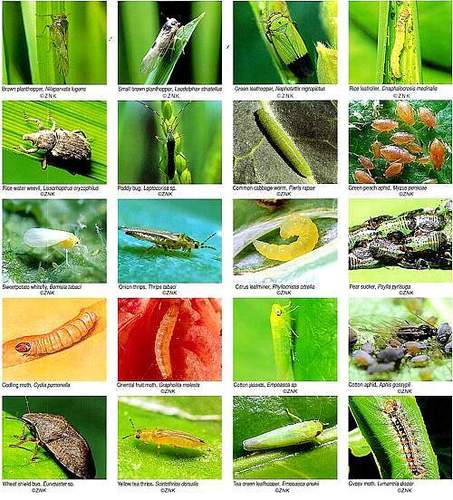
Tell us about your requirement

Price:
Quantity
Select Unit
- 50
- 100
- 200
- 250
- 500
- 1000+
Additional detail
Mobile number
Email

More Products in Insecticides Pesticides Category
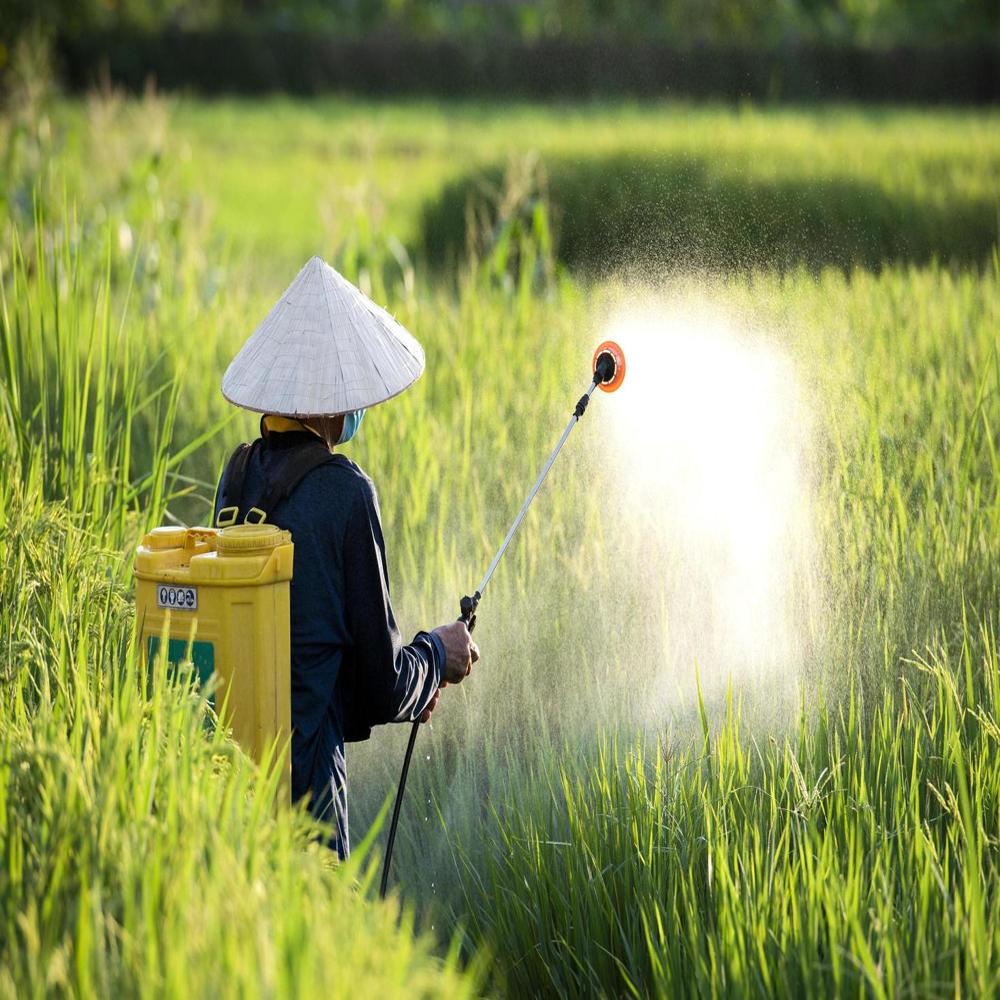
Ziram 27% SC / 80% WP
Minimum Order Quantity : 25 Kilograms
Appearance : other, Milky white (SC) / Offwhite to light yellow (WP)
Purity(%) : 27% (SC); 80% (WP)
State : Other, Liquid (27% SC) / Solid (80% WP)
Color : Milky white for SC; Offwhite to yellow for WP
Properties : Contact fungicide with multisite action; nonsystemic; broadspectrum control
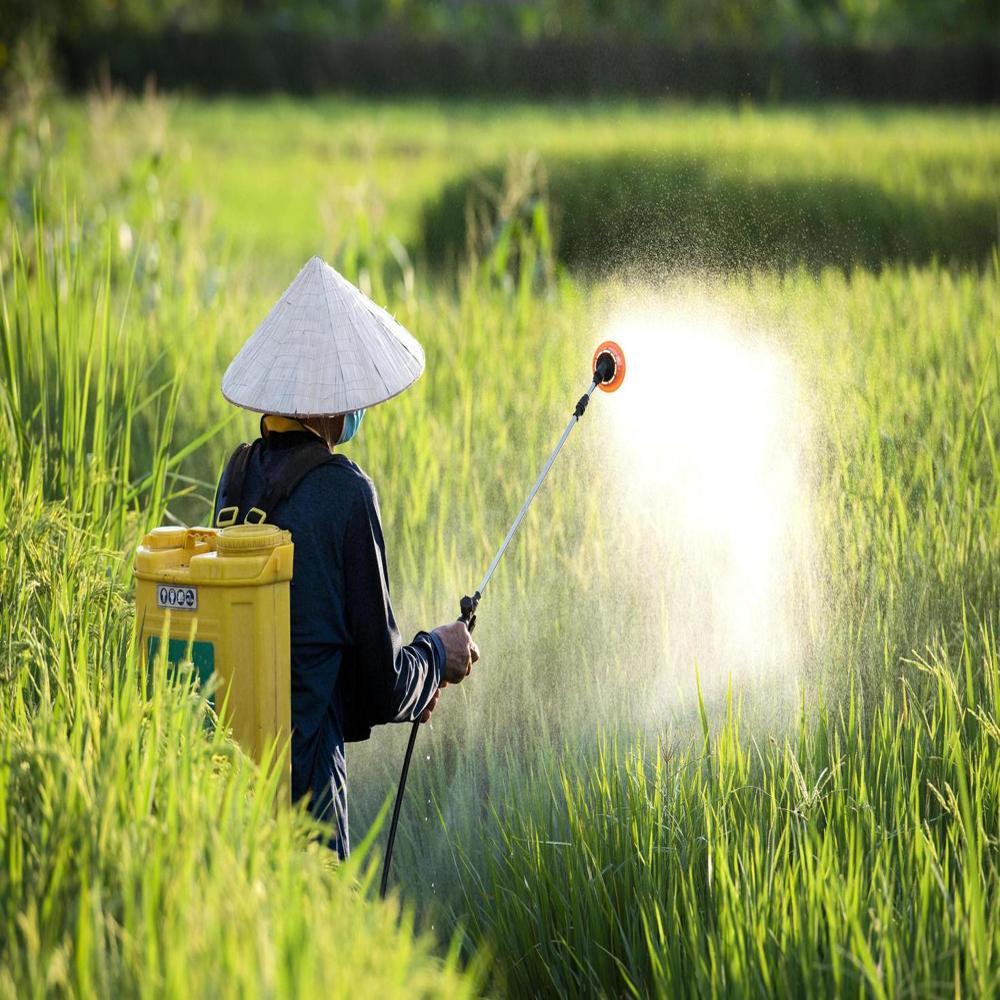
Ziram 27% SC / 80% WP
Minimum Order Quantity : 25 Kilograms
Appearance : other, White to light yellow
Purity(%) : 27% (SC), 80% (WP)
State : Other, Liquid (SC), Powder (WP)
Color : White to pale yellow
Properties : Protective, broadspectrum fungicide with excellent adhesiveness to plant surfaces
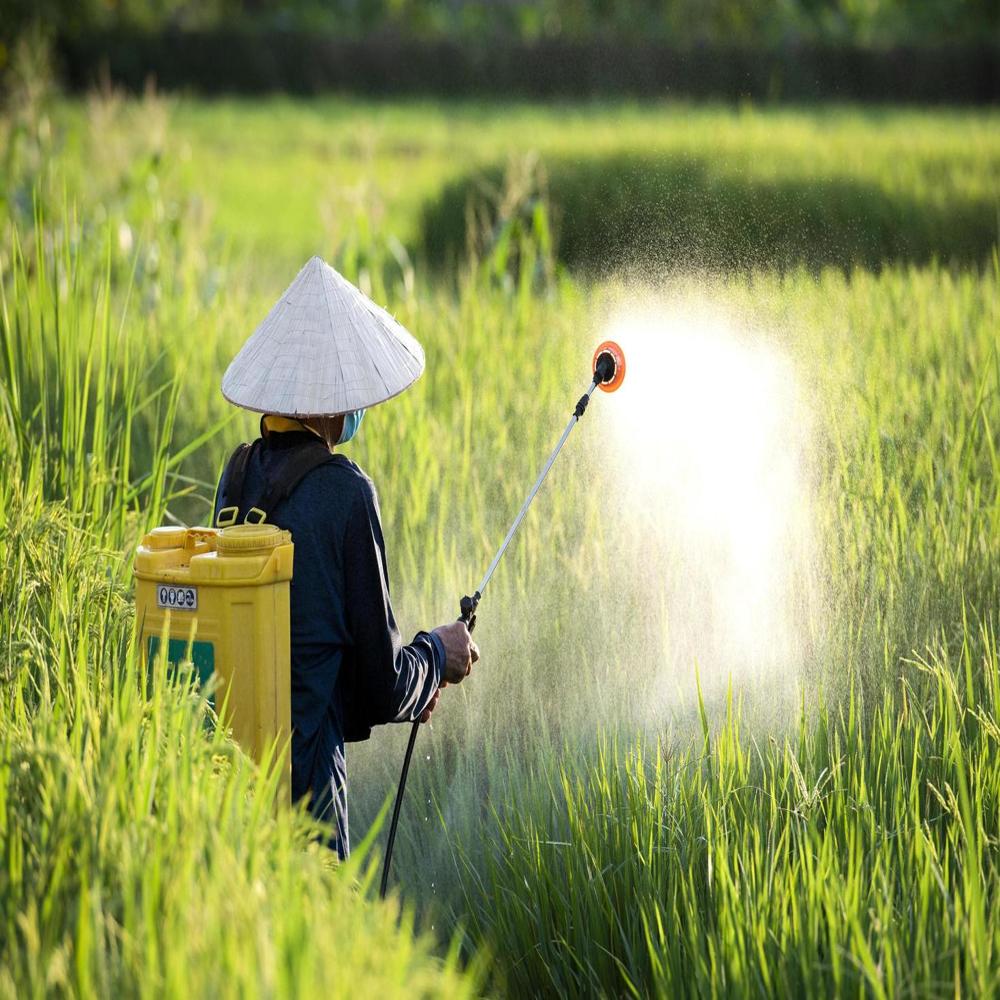
Pyrithiobac- Sodium 10% EC
Minimum Order Quantity : 25 Kilograms
Appearance : other, Clear to Slightly Hazy Liquid
Purity(%) : 10%
State : Liquid
Color : Light Yellow to Brown
Properties : Selective herbicide for the control of broadleaf weeds in cotton
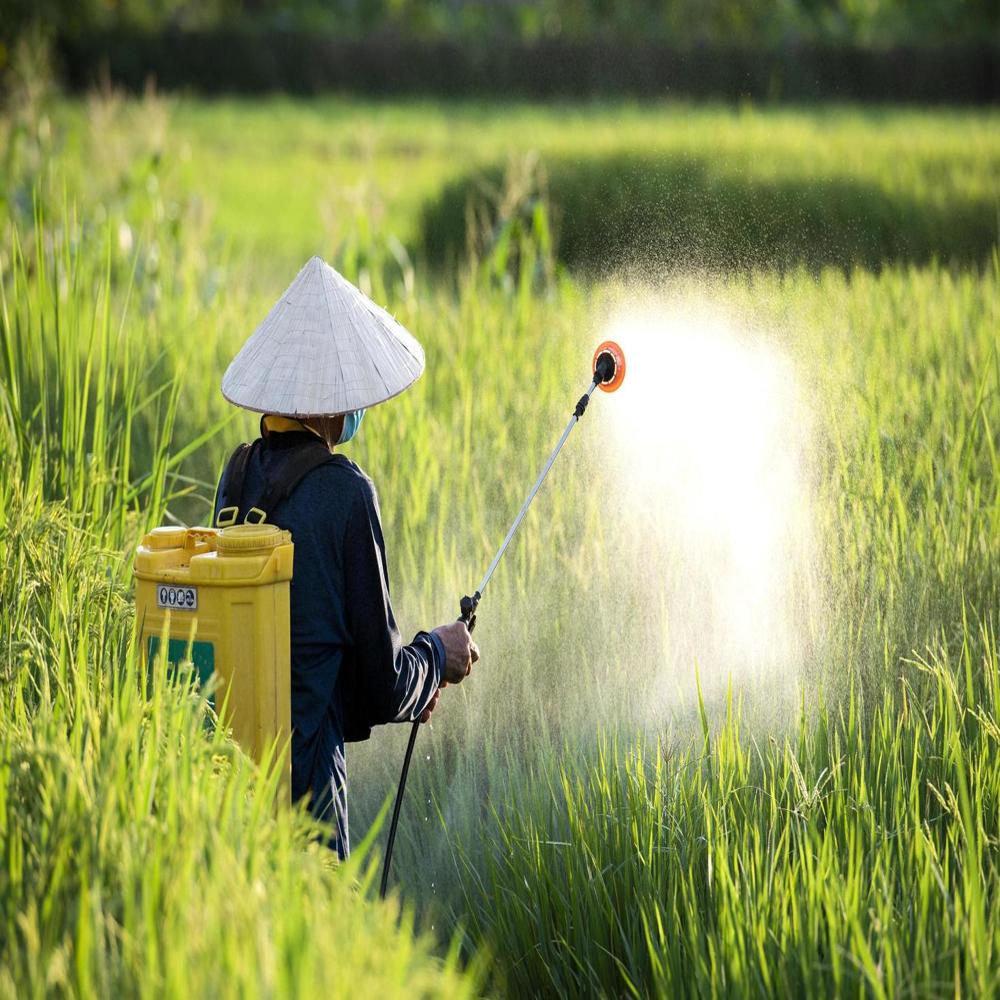
Atrazine 50% WP
Minimum Order Quantity : 25 Kilograms
Appearance : other, White to OffWhite Powder
Purity(%) : 50%
State : Powder
Color : White
Properties : Selective systemic herbicide, pre and postemergence activity

Contact Details
JOSHI AGROCHEM PHARMA PRIVATE LIMITED
GST : 27AAFCJ1227Q1Z8
- 813, Topiwala Center, Opp. Railway Station, Goregaon (West), Mumbai - 400062, Maharashtra, India
- Phone :08045802973
 Send Inquiry
- For Chemicals - Solvents :
Mobile. +918097911779
For Pharma - API's :
Mobile. +918655564472
For Agro - Pesticides :
Mobile. +918080701491
For Metals :
Mobile. +919322422799


Developed and Managed by Infocom Network Private Limited.
