
Call: 08045802973
 Send Inquiry
 Send Inquiry
Calcium Gluconate
Calcium Gluconate Specification
- CAS No
- 299-28-5
- Purity
- 99% minimum
- Usage
- Used to treat calcium deficiencies as a food additive or as a buffer in pharmaceutical formulations
- EINECS No
- 206-075-8
- Appearance
- White to off-white crystalline powder
- Application
- Pharmaceuticals food additive nutritional supplements
- Grade
- USP/EP/BP/Pharmaceutical Grade
- Structural Formula
- Refer to the chemical diagram for graphical representation
- Shelf Life
- 2 years when properly stored
- Density
- 1.698 Gram per cubic centimeter(g/cm3)
- Solubility
- Slightly soluble in water insoluble in ethanol
- Melting Point
- 200-220C (decomposes)
- Molecular Weight
- 430.37 g/mol
- HS Code
- 29181600
- Smell
- Odorless
- Properties
- High bioavailability non-toxic water-soluble (partially)
- Storage
- Store in a cool dry place away from direct sunlight and moisture
- Molecular Formula
- C12H22CaO14
- Ingredients
- Calcium gluconate monohydrate
- Ph Level
- 6.0-8.0 (1% solution in water)
- Physical Form
- Fine white granular or powder
- Taste
- Slightly bitter and salty
- Shape
- Powdered or granular
- Poisonous
- NO
About Calcium Gluconate
Calcium Gluconate
Joshi Chem are Contract Manufacturer, Exporter and Distributors of various Chemicals & Solvents. More then 500 products are ready available & supply as per specification require by client in all grades. Quality Supply With Customer Satisfaction - Since 1971.
FAQs of Calcium Gluconate:
Q: What is the taste of Calcium Gluconate?
A: Calcium Gluconate has a slightly bitter and salty taste.Q: What is the shelf life of Calcium Gluconate?
A: The shelf life of Calcium Gluconate is 2 years when properly stored.Q: What is the application of Calcium Gluconate?
A: It is used as a food additive, in nutritional supplements, and as a buffer in pharmaceutical formulations.Q: What is the physical form of Calcium Gluconate?
A: Calcium Gluconate is available in a fine white granular or powdered form.Q: Is Calcium Gluconate poisonous?
A: No, Calcium Gluconate is not poisonous.Q: What is the CAS No of Calcium Gluconate?
A: The CAS No of Calcium Gluconate is 299-28-5.Q: What is the solubility of Calcium Gluconate?
A: Calcium Gluconate is slightly soluble in water and insoluble in ethanol.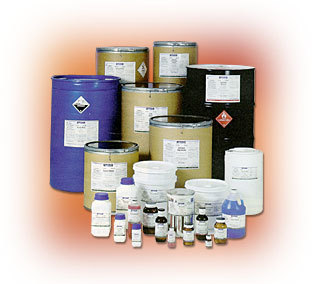
Tell us about your requirement

Price:
Quantity
Select Unit
- 50
- 100
- 200
- 250
- 500
- 1000+
Additional detail
Mobile number
Email

More Products in Chemical Supplies Category
Potassium Bromide
Poisonous : NO
Shape : other, Crystalline solid
Physical Form : Other, Crystalline solid
Ingredients : Potassium and Bromide ions
Storage : Other, Store in a cool dry and wellventilated place away from moisture and incompatible substances
Molecular Formula : KBr
Isoamyl Alcohol
Poisonous : YES
Shape : other, Not applicable (liquid)
Physical Form : Liquid
Ingredients : Isoamyl Alcohol (pure compound)
Storage : Other, Store in a cool dry wellventilated area away from sources of ignition
Molecular Formula : C5H12O
Odorless Sodium Benzoate CAS No : 532-32-1
Poisonous : NO
Shape : other
Physical Form : Other
Ingredients : Sodium salt of benzoic acid
Storage : Other, Store in a cool dry and wellventilated area away from moisture and incompatible substances
Molecular Formula : C7H5NaO2
Industrial Sodium Acetate
Poisonous : NO
Shape : other, Granular or powder
Physical Form : Other
Ingredients : Sodium acetate anhydrous or trihydrate
Storage : Other, Store in a cool dry place in a tightly closed container
Molecular Formula : C2H3NaO2

Contact Details
JOSHI AGROCHEM PHARMA PRIVATE LIMITED
GST : 27AAFCJ1227Q1Z8
- 813, Topiwala Center, Opp. Railway Station, Goregaon (West), Mumbai - 400062, Maharashtra, India
- Phone :08045802973
 Send Inquiry
- For Chemicals - Solvents :
Mobile. +918097911779
For Pharma - API's :
Mobile. +918655564472
For Agro - Pesticides :
Mobile. +918080701491
For Metals :
Mobile. +919322422799


Developed and Managed by Infocom Network Private Limited.
