Call: 08045802973
 Send Inquiry
 Send Inquiry
BLEACHING POWDER
BLEACHING POWDER Specification
- Solubility
- Slightly soluble in water, releases chlorine
- Density
- 2.35 Gram per cubic centimeter(g/cm3)
- Molecular Weight
- 142.98 g/mol
- Appearance
- White to pale yellow granular powder
- Odour
- Chlorine-like, pungent
- Storage Instructions
- Store in cool, well-ventilated, dry area away from sunlight and moisture, keep container tightly closed
- Ph Level
- 11 - 13 (1% solution)
- Chemical Name
- Calcium Hypochlorite
- Other Names
- Chlorinated Lime, Bleaching Agent
- Classification
- Inorganic Chemical
- CAS No
- 7778-54-3
- Type
- Powder
- Application
- Disinfection, Water Treatment, Textile Bleaching, Sanitizing, Odor Removal
- Application Method
- Direct use or dilution in water
- Raw Material
- Limestone (Calcium Carbonate), Chlorine Gas, Milk of Lime
- Physical State
- Solid (Powder)
- Usage
- Industrial, Commercial, Municipal and Household Cleaning
- Shelf Life
- 12 Months
- Purity(%)
- 32% - 35% (Available Chlorine)
- Best Before
- 12 Months from Manufacturing
- Hazard Class
- 5.1 (Oxidizing Agent)
- Packing Details
- 25 kg, 50 kg HDPE/Lined Bags or as per customer requirements
- Reactivity
- May react with organic materials, acids and combustible substances
- Color
- White to light yellow
- Decomposition
- Releases chlorine and oxygen on contact with moisture or acids
- Stability
- Stable under recommended storage conditions
- Regulatory Information
- Complies with IS 1065/1975 & other international standards
- Precautions
- Avoid inhalation and contact with skin or eyes, use protective gear
- Chlorine Content (%)
- 32-35% minimum
- Granule Size
- Powdered/Granular
About BLEACHING POWDER
Reckoned as leaders in this industry, we are offering highly effective Bleaching Powder. This powder is widely used for water purification, sewage cleaning, reverse osmosis process and many other things. It is processed with utmost efficiency using quality examined chemical compounds with the help of modern methodology under the direction of our skilled professionals. Moreover, we assure our patrons that the Bleaching Powder provided by us is tested on various quality parameters to meet set market standards.
Features:
- Free from impurities
- Precisely processed
- Balanced composition
- Enhanced shelf life
Reliable Disinfection and Cleaning Solution
Bleaching Powder offers effective disinfection and sanitization for water treatment, textiles, and surfaces. Its high chlorine content (3235%) ensures strong performance in both direct use and dilution methods. Suitable for industrial, municipal, and household cleaning, its a trusted choice for safe and efficient microbial control.
Safe Handling and Storage Guidelines
Due to its oxidizing nature and reactivity, Bleaching Powder should be stored in cool, dry, well-ventilated areas away from sunlight, moisture, and incompatible materials. Users must avoid inhalation and contact, and always wear protective gear when managing the chemical to minimize safety risks.
Versatile Applications Across Industries
This chemical finds extensive use in water purification, textile bleaching, sanitation, and odor elimination. Its reliable composition and compliance with global standards make it a preferred ingredient in large-scale industrial processes as well as in municipal and household routines.
FAQs of BLEACHING POWDER:
Q: How should Bleaching Powder be stored to maintain its stability and effectiveness?
A: Bleaching Powder should be stored in a cool, dry, and well-ventilated area, away from sunlight and moisture. Always keep the container tightly closed to prevent decomposition and maintain full potency for up to 12 months from the manufacturing date.Q: What is the recommended process for using Bleaching Powder for water treatment and disinfection?
A: For water treatment, Bleaching Powder can be used directly or diluted in water based on the required chlorine level. Always follow proper dosing instructions to ensure effective disinfection while maintaining safety for users.Q: Where is Bleaching Powder commonly used and what benefits does it provide?
A: Bleaching Powder is widely used in industrial, municipal, commercial, and household environments. Its main benefits include rapid disinfection, efficient removal of pathogens, effective textile bleaching, and reliable odor elimination.Q: What precautions should be taken while handling Bleaching Powder?
A: When handling Bleaching Powder, avoid inhalation and direct contact with skin or eyes. Always use protective gear such as gloves, masks, and safety goggles, and follow recommended safety practices due to its oxidizing and reactive nature.Q: What happens if Bleaching Powder comes into contact with moisture or acids?
A: On contact with moisture or acids, Bleaching Powder releases chlorine and oxygen gases, which can be hazardous. This reaction also leads to the rapid decomposition of the product, so proper storage and handling are essential.Q: Can the packaging be customized based on customer requirements?
A: Yes, Bleaching Powder is typically available in 25 kg or 50 kg HDPE/Lined Bags, but packaging can be customized according to specific customer preferences and logistical needs.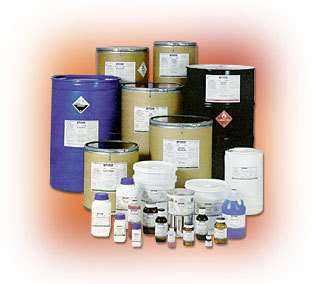
Tell us about your requirement

Price:
Quantity
Select Unit
- 50
- 100
- 200
- 250
- 500
- 1000+
Additional detail
Mobile number
Email

More Products in Solvent Chemical Category
DIOXANE 1
Storage Instructions : Store in tightly closed containers in cool, dry, wellventilated area away from heat and ignition sources
Density : 1.033 Gram per cubic centimeter(g/cm3)
Application : Used as a solvent in chemical manufacturing, pharmaceuticals, laboratory reagents, and as a stabilizer for chlorinated solvents
Chemical Name : 1,4Dioxane
Shelf Life : 24 months from date of manufacture
Solubility : Miscible with water, alcohol, ether, benzene, oils
Vitamin A
Storage Instructions : Store in a cool, dry place, protected from light and moisture
Density : 0.9 Gram per cubic centimeter(g/cm3)
Application : Food, Feed, Pharmaceutical, Cosmetic
Chemical Name : Vitamin A
Shelf Life : 24 Months
Solubility : Soluble in fats and oils, insoluble in water
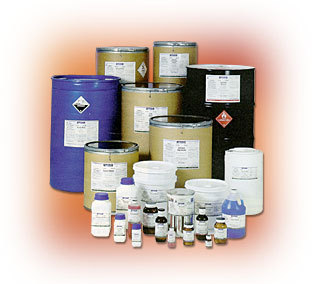
Sodium cyanide
Storage Instructions : Store in a cool dry place away from acids and moisture
Density : 1.596 Gram per cubic centimeter(g/cm3)
Application : Used in mining electroplating and chemical synthesis
Chemical Name : Sodium Cyanide
Shelf Life : 2 years under proper storage conditions
Solubility : Freely soluble in water
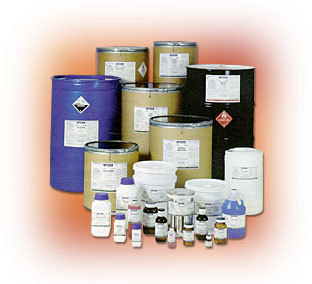
Liquid chlorine
Storage Instructions : Store in a cool ventilated area away from direct sunlight and incompatible materials
Density : 1.56 Gram per cubic centimeter(g/cm3)
Application : Disinfection sanitation and water treatment
Chemical Name : Chlorine
Shelf Life : 12 months under recommended storage conditions
Solubility : Soluble in water

Contact Details
JOSHI AGROCHEM PHARMA PRIVATE LIMITED
GST : 27AAFCJ1227Q1Z8
- 813, Topiwala Center, Opp. Railway Station, Goregaon (West), Mumbai - 400062, Maharashtra, India
- Phone :08045802973
 Send Inquiry
- For Chemicals - Solvents :
Mobile. +918097911779
For Pharma - API's :
Mobile. +918655564472
For Agro - Pesticides :
Mobile. +918080701491
For Metals :
Mobile. +919322422799


Developed and Managed by Infocom Network Private Limited.
