Call: 08045802973
 Send Inquiry
 Send Inquiry
Bifenthrin 8% SC / 8.8% CS
MOQ : 25 Kilograms
Bifenthrin 8% SC / 8.8% CS Specification
- Moisture (%)
- 0.5%
- State
- Liquid
- Color
- Milky white
- Molecular Formula
- C23H22ClF3O2
- Shape
- other
- Smell
- Mild characteristic odor
- Melting Point
- 68-70C (Technical Bifenthrin)
- Density
- 1.02 Gram per cubic centimeter(g/cm3)
- Properties
- Broad spectrum contact and stomach insecticide with strong knockdown effect; suitable for foliar, ground and seed treatment
- Product Name
- Bifenthrin 8% SC / 8.8% CS
- Purity(%)
- 98% (Technical), 8% or 8.8% formulation as per product
- Place of Origin
- India
- Grade
- agriculture
- Ph Level
- 4.0 - 8.0 (1% aqueous solution)
- Appearance
- other
- Classification
- Insecticide (Pyrethroid group)
- Active Ingredient
- Bifenthrin 8% w/w (SC) / 8.8% w/w (CS)
- CAS No
- 82657-04-3
- EINECS No
- 617-371-0
- Shelf Life
- 2 years from date of manufacture
- Toxicity
- Moderately toxic to mammals, highly toxic to fish and aquatic organisms
- Stability
- Stable under normal storage conditions
- Re-entry Interval
- 12 hours (recommended)
- Solubility
- Insoluble in water, disperses as emulsion
- Storage Condition
- Store in a cool, dry, and well-ventilated area, away from sunlight and foodstuffs
- Crop Recommendation
- Suitable for cotton, vegetables, fruits, cereals, paddy, and plantation crops
- Packaging
- Available in 100 ml, 250 ml, 500 ml, 1 L, 5 L HDPE bottles or as per customer requirements
- Minimum Order Quantity
- As per manufacturer's policy
- Formulation Type
- Suspension Concentrate (SC) / Capsule Suspension (CS)
- Mode of Action
- Contact and stomach action; acts as a sodium channel modulator
- Target Pests
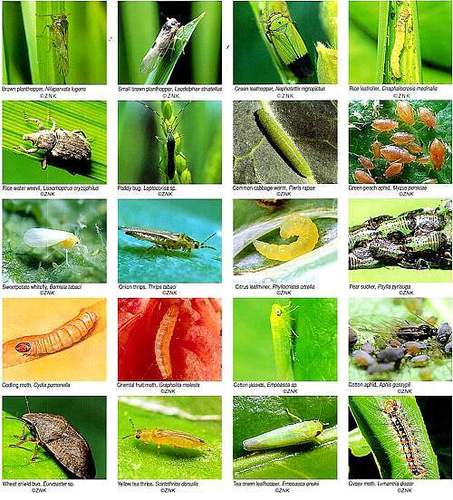
- Aphids, whiteflies, thrips, leafhoppers, termites, caterpillars, beetles
Bifenthrin 8% SC / 8.8% CS Trade Information
- Minimum Order Quantity
- 25 Kilograms
- Supply Ability
- 1000 Kilograms Per Month
- Delivery Time
- 7 Days
About Bifenthrin 8% SC / 8.8% CS
Bifenthrin 8% SC / 8.8% CSBifenthrin 8% SC (Suspension Concentrate) and 8.8% CS (Capsule Suspension) are highly effective, broad-spectrum, synthetic pyrethroid insecticides and acaricides used extensively in agriculture to control a wide range of sucking and chewing pests. These formulations are designed to offer rapid knockdown (immediate paralysis) and long-lasting residual action, helping to ensure increased crop yield and quality.
Key Agricultural Use Benefits
- Broad-Spectrum Control: Effective against a vast array of pests, including whiteflies, aphids, bollworms, jassids, mites (red spider mites), thrips, stem borers, and leaf folders.
- Dual Action (Contact and Stomach): Acts immediately on the nervous system of pests through contact and, when ingested, provides rapid knockdown.
- Long-Lasting Residual Protection: Known for having one of the longest residual times in soil among available insecticides (sometimes lasting up to 8 months), ensuring prolonged protection of crops.
- Superior Formulation (SC/CS): These liquid formulations allow for better adhesion to plant surfaces, improving coverage, penetration, and effectiveness, even in challenging weather conditions.
- Termite Control: Highly effective for controlling termites in agricultural settings and for protecting farm structures.
- Improved Crop Vigour: Certain formulations of Bifenthrin 8% SC provide a phyto-tonic effect, which improves plant vigor and helps maintain healthier crops.
- Low Phytotoxicity: Safe for use on recommended crops (cotton, vegetables, fruits, cereals, tea) when applied at recommended doses.
- Crops: Used on cotton, paddy, sugarcane, vegetables (tomatoes, cucumbers), fruits (apple, citrus), tea, and ornamentals.
- Application Method: Primarily used as a foliar spray to control foliar pests, but also used for soil application.
- Dosage: Typically recommended at 0.51.5 ml per liter of water (or roughly 300 ml per acre), depending on pest intensity.
- Toxic to Aquatic Life: Highly toxic to fish and aquatic invertebrates; should not be used near water bodies.
- Toxic to Bees: Should be avoided during the peak foraging period of honey bees.
- Safety: While generally safe for mammals if used as directed, it is considered a possible human carcinogen (Category C) if not handled with proper protective equipment.
Effective Broad-Spectrum Insecticide
Bifenthrin 8% SC / 8.8% CS stands out for its broad-spectrum control of challenging pests such as aphids, beetles, termites, and more. Its quick knockdown and prolonged effectiveness result from its mode of action as a sodium channel modulator, disrupting insect nerve cells. This makes it an ideal solution for protecting cotton, vegetables, fruits, cereals, paddy, and other crops, ensuring healthy yields and reduced pest risks.
Flexible Application for Various Crops
This product supports multiple application methods including foliar spray, ground treatment, and seed dressing, making it adaptable to different crop management regimes. Designed for use on a wide range of crops, it performs efficiently in both open fields and plantations. Its stability under normal storage conditions guarantees consistent performance throughout its 2-year shelf life.
Safe Storage and Usage Guidelines
For safety and product integrity, Bifenthrin 8% SC / 8.8% CS should be stored in cool, dry, well-ventilated places away from direct sunlight and food items. Remember to adhere to the recommended re-entry interval of 12 hours post-application. Since it is highly toxic to aquatic organisms, extra care should be taken to avoid contamination of water sources during mixing, application, and disposal.
FAQ's of Bifenthrin 8% SC / 8.8% CS:
Q: How should Bifenthrin 8% SC / 8.8% CS be applied for optimal pest control?
A: Apply Bifenthrin 8% SC / 8.8% CS as a foliar spray, soil treatment, or seed dressing according to recommended dosages for your crop. It disperses as an emulsion in water, making it easy to mix and apply. Always follow label directions for best results and safety.Q: What pests does Bifenthrin 8% SC / 8.8% CS effectively control?
A: This insecticide targets a range of pests including aphids, whiteflies, thrips, leafhoppers, termites, caterpillars, and beetles, ensuring comprehensive protection for your crops.Q: When can treated areas be safely re-entered after application?
A: It is recommended to wait at least 12 hours after application before entering treated fields or areas to minimize exposure and maximize safety.Q: Where should Bifenthrin 8% SC / 8.8% CS be stored to maintain its efficacy?
A: Store the product in a cool, dry, and well-ventilated area, away from sunlight and foodstuffs. Proper storage helps maintain its stability and effectiveness for up to 2 years from the date of manufacture.Q: What crops can benefit from using Bifenthrin 8% SC / 8.8% CS?
A: Bifenthrin 8% SC / 8.8% CS is suitable for use on cotton, vegetables, fruits, cereals, paddy, and plantation crops, offering broad utility across agricultural sectors.Q: How does Bifenthrin 8% SC / 8.8% CS work to control pests?
A: It acts as a sodium channel modulator affecting pests through contact and ingestion. This disrupts nerve function in insects, resulting in rapid knockdown and control.Q: What is the process for ordering and packaging of Bifenthrin 8% SC / 8.8% CS?
A: The minimum order quantity is defined by the manufacturer's policy. The insecticide is available in HDPE bottles of 100 ml, 250 ml, 500 ml, 1 L, and 5 L, or can be packed as per customer requirements for convenience and safe handling.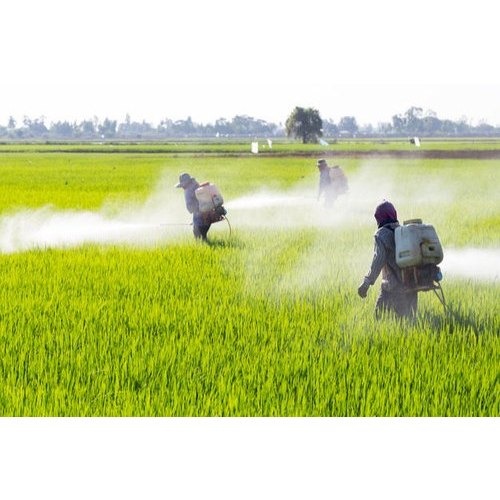
Tell us about your requirement

Price:
Quantity
Select Unit
- 50
- 100
- 200
- 250
- 500
- 1000+
Additional detail
Mobile number
Email

More Products in Insecticides Pesticides Category

Difenoconazole 25% EC / 3% WS
Minimum Order Quantity : 25 Kilograms
Product Name : Difenoconazole 25% EC / 3% WS
Water Content Vol% : 0.5%
Place of Origin : India
Ph Level : 5.08.0 (1% solution)
Grade : Agricultural Grade

Neem Oil 300 / 1500 / 3000 / 10000 PPM
Minimum Order Quantity : 25 Kilograms
Product Name : Neem Oil 300 / 1500 / 3000 / 10000 PPM
Water Content Vol% : < 1.0%
Place of Origin : India
Ph Level : 5.57.0
Grade : AGRICULTURE GRADE
Carbendazim + Flusilazole
Product Name : Carbendazim + Flusilazole
Water Content Vol% : 0.5%
Place of Origin : India
Ph Level : 6.08.0
Grade : Agricultural Grade
Chlorpyriphos Methyl
Product Name : Chlorpyriphos Methyl
Water Content Vol% : 0.5%
Place of Origin : India
Ph Level : 6.57.5
Grade : Technical Grade

Contact Details
JOSHI AGROCHEM PHARMA PRIVATE LIMITED
GST : 27AAFCJ1227Q1Z8
- 813, Topiwala Center, Opp. Railway Station, Goregaon (West), Mumbai - 400062, Maharashtra, India
- Phone :08045802973
 Send Inquiry
- For Chemicals - Solvents :
Mobile. +918097911779
For Pharma - API's :
Mobile. +918655564472
For Agro - Pesticides :
Mobile. +918080701491
For Metals :
Mobile. +919322422799


Developed and Managed by Infocom Network Private Limited.
