
Call: 08045802973
 Send Inquiry

 Send Inquiry
BENZYL CHLORIDE
BENZYL CHLORIDE Specification
- Solubility
- Insoluble in water, soluble in organic solvents
- Molecular Weight
- 126.58 g/mol
- Storage Instructions
- Store in tightly closed containers in a cool, dry, well-ventilated area, away from incompatible substances
- Density
- 1.10 Gram per cubic centimeter(g/cm3)
- Odour
- Pungent, aromatic odor
- Appearance
- Colorless to slightly yellow liquid
- Chemical Name
- Benzyl Chloride
- Other Names
- -Chlorotoluene; Benzylic chloride; Chlorophenylmethane
- Classification
- Organic Chemical Compound
- CAS No
- 100-44-7
- Type
- Industrial Chemical
- Application
- Production of benzyl compounds, dyes, perfumes, pharmaceuticals
- Application Method
- Used as an intermediate or reagent in chemical synthesis
- Raw Material
- Toluene, Chlorine
- Physical State
- Liquid
- Usage
- Laboratory and industrial applications
- Shelf Life
- 1 year (in tightly sealed containers)
- Purity(%)
- 99%
- Best Before
- Refer to manufacturers batch information
- Molecular Formula
- C7H7Cl
- Flash Point
- 63C (closed cup)
- Hazard Identification
- Corrosive, harmful if inhaled, causes burns
- Refractive Index
- n20/D 1.538
- Boiling Point
- 179C
- Stability
- Stable under recommended storage conditions
- Melting Point
- -39C
- Viscosity
- 1.89 cP at 25C
- Environmental Hazard
- Toxic to aquatic organisms, may cause long-term adverse effects in the aquatic environment
- Packaging Type
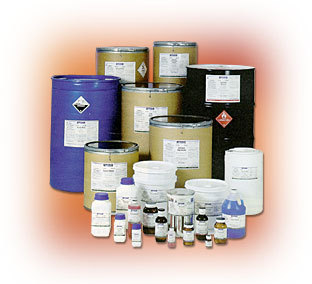
- Sealed drums or containers
- Regulatory Information
- Refer to MSDS and local regulations
- Autoignition Temperature
- 570C
- Vapour Pressure
- 1.3 mm Hg at 25C
- EC Number
- 202-853-6
- UN Number
- 1738
About BENZYL CHLORIDE
For many years, we are engaged in manufacturing, exporting and supplying supreme quality Benzyl Chloride. This chemical is ideally used as plasticizer, perfumes and flavorants. It is also used in the synthesis of other compounds. With the help of latest methodology, the offered chemical is processed by utilizing excellent quality chemical compounds at our sound production unit. Besides, provided Benzyl Chloride is checked on numerous parameters of quality to assure its quality.
Features:
- Free from impurities
- Soluble in ethanol
- Stability
- Miscible in organic solvents
Applications and Benefits
Benzyl Chloride is a vital organic chemical employed in manufacturing benzyl compounds, dyes, and pharmaceuticals. Its utility as a chemical intermediate streamlines complex synthesis processes, contributing to improved product yields and enhanced properties in end-use formulations. This compound also finds use in the creation of various specialty chemicals, making it indispensable across diverse industrial sectors.
Safety and Handling Precautions
Due to its corrosive nature and harmful effects on health and the environment, Benzyl Chloride requires proper handling and storage. It should only be stored in tightly closed containers within cool, dry, and well-ventilated spaces, away from incompatible materials. Users must follow recommended guidelines, consult the MSDS, and employ protective gear to ensure safe use and mitigate risks of exposure.
FAQs of BENZYL CHLORIDE :
Q: How is Benzyl Chloride typically used in industrial applications?
A: Benzyl Chloride is mainly used as an intermediate or reagent in the synthesis of benzyl derivatives, dyes, perfumes, and pharmaceutical compounds. Its reactive properties make it valuable in various organic transformations within laboratory and manufacturing settings.Q: What safety measures should be taken when handling Benzyl Chloride?
A: Individuals must wear suitable protective equipment, such as gloves, eye protection, and respiratory gear, and operate in well-ventilated areas. Immediate access to safety showers and eyewash stations is recommended, and strict adherence to local regulatory and MSDS guidelines is essential.Q: Where should Benzyl Chloride be stored for optimal stability and safety?
A: Benzyl Chloride should be stored in tightly sealed drums or containers, positioned in cool, dry, and well-ventilated locations away from heat sources and incompatible chemicals. This ensures product stability and minimizes safety risks.Q: What environmental hazards are associated with Benzyl Chloride?
A: Benzyl Chloride is toxic to aquatic organisms and may cause long-term adverse effects in the aquatic environment, so spills must be contained and disposed of according to local environmental regulations.Q: How long is Benzyl Chloride safe to use after production?
A: Benzyl Chloride has a shelf life of one year if stored correctly in tightly sealed containers. Users should refer to the manufacturers batch information for the best before date to ensure optimal purity and effectiveness.Q: What is the process for producing Benzyl Chloride?
A: Benzyl Chloride is produced industrially via the chlorination of toluene, using chlorine as a raw material. This controlled reaction yields high-purity benzyl chloride suitable for various chemical applications.
Tell us about your requirement

Price:
Quantity
Select Unit
- 50
- 100
- 200
- 250
- 500
- 1000+
Additional detail
Mobile number
Email

More Products in Solvent Chemical Category

Vitamin C
Appearance : White to almost white crystalline powder
Density : 1.65 Gram per cubic centimeter(g/cm3)
Shelf Life : 24 Months
Chemical Name : Ascorbic Acid
Odour : Odourless
Other Names : Vitamin C; LAscorbic Acid

Styrene monomer
Appearance : Clear, colorless liquid
Density : 0.906 Gram per cubic centimeter(g/cm3)
Shelf Life : 12 months (in unopened container)
Chemical Name : Styrene Monomer
Odour : Aromatic, sweet
Other Names : Ethenylbenzene, Vinylbenzene, Phenylethene
Mannitol
Appearance : White, Odorless, Crystalline Powder
Density : 1.52 Gram per cubic centimeter(g/cm3)
Shelf Life : 3 Years
Chemical Name : Mannitol
Odour : Odorless
Other Names : DMannitol, Mannite, Osmitrol

Potassium hydroxide [ caustic potash ]
Appearance : White solid (pellets flakes or powder)
Density : 2.04 Gram per cubic centimeter(g/cm3)
Shelf Life : Indefinite under proper storage conditions
Chemical Name : Potassium hydroxide
Odour : Odourless
Other Names : Caustic potash

Contact Details
JOSHI AGROCHEM PHARMA PRIVATE LIMITED
GST : 27AAFCJ1227Q1Z8
- 813, Topiwala Center, Opp. Railway Station, Goregaon (West), Mumbai - 400062, Maharashtra, India
- Phone :08045802973
 Send Inquiry
- For Chemicals - Solvents :
Mobile. +918097911779
For Pharma - API's :
Mobile. +918655564472
For Agro - Pesticides :
Mobile. +918080701491
For Metals :
Mobile. +919322422799


Developed and Managed by Infocom Network Private Limited.
