
Call: 08045802973
 Send Inquiry
 Send Inquiry
Acetamiprid
Acetamiprid Specification
- Source
- Synthetic
- State
- Solid
- Product Name
- Acetamiprid
- Molecular Formula
- C10H11ClN4
- Properties
- Soluble in water, stable under normal conditions
- Active Ingredient
- Acetamiprid
- Density
- 1.28 Gram per cubic centimeter(g/cm3)
- Shape
- Powder
- Color
- White
- Smell
- Odorless
- Water Content Vol%
- 0.5
- Appearance
- White to pale yellow powder
- Grade
- Technical Grade
- Ash %
- 0.1
- Purity(%)
- 97
- Moisture (%)
- 0.5
- Melting Point
- 98.9C
- Ph Level
- 6.0-8.0 (in aqueous solution)
- CAS No
- 135410-20-7
- EINECS No
- 632-619-9
- Place of Origin
- China
- Packaging
- 25 kg drum or as per customer requirement
- Toxicity
- Low mammalian toxicity, avoid contact with skin and eyes
- Storage Conditions
- Store in a cool, dry, and well-ventilated area
- Application
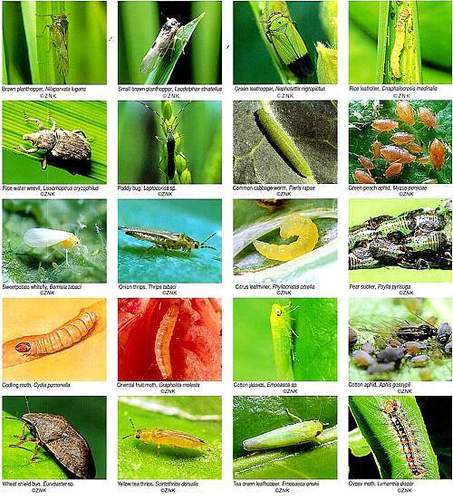
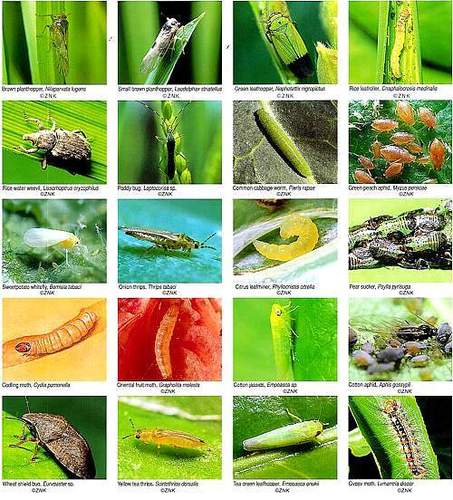
- Used for controlling aphids, leafhoppers, whiteflies, thrips, etc. in various crops
- Molecular Weight
- 222.68 g/mol
- Hazard Class
- Not classified as hazardous chemical under GHS
- Formulation Type
- Technical powder, can be formulated as SP, WP, SC, or WDG
- Shelf Life
- 2 years in original unopened packaging
- Stability
- Stable under normal temperature and pressure
- Mode of Action
- Systemic, acts as a nicotinic acetylcholine receptor agonist
Acetamiprid Trade Information
- Supply Ability
- 1000 Per Month
- Delivery Time
- 7 Days
About Acetamiprid
"JOSHI AGRO & PESTICIDES" offers wide range of INSECTICIDES - PESTICIDES - FUNGISCIDES - WEEDICIDES - HERBICIDES for all Crops. Contract Manufacturer - exporter distributers. All grades available in Technical and Bulk Formulation also in small ready to spray pack.Systemic and Selective Pest Control
Acetamiprid is designed for precise pest management across a variety of crops. Acting systemically, it is absorbed and transported within plant tissues to target concealed or hard-to-reach pests. This method ensures efficient control of insects such as aphids, leafhoppers, and whiteflies, minimizing damage and promoting healthy crop yields.
Superior Formulation Versatility
Available as a technical powder, Acetamiprid can be further formulated into SP, WP, SC, or WDG, offering versatility for different application methods and agricultural practices. This adaptability supports integration into existing crop management systems and ensures effective dispersion and uptake under various field conditions.
Safety and Storage Assurance
Engineered for safe handling, Acetamiprid exhibits low mammalian toxicity when used with basic precautions, such as avoiding skin and eye contact. It remains stable under typical storage conditionscool, dry, and well-ventilated areasmaintaining efficacy for up to two years when unopened and properly stored.
FAQs of Acetamiprid:
Q: How does Acetamiprid work to control insect pests?
A: Acetamiprid functions as a systemic insecticide and acts as a nicotinic acetylcholine receptor agonist. It disrupts the neural transmission in target insects, leading to their control. This mode of action ensures thorough protection, as the product moves within the plant to protect both treated and new growth.Q: What is the recommended method for storing Acetamiprid technical powder?
A: Store Acetamiprid in its original, unopened packaging in a cool, dry, and well-ventilated area. Keeping it away from moisture and direct sunlight helps maintain its efficacy and stability for up to two years.Q: What are the typical application uses for Acetamiprid?
A: Acetamiprid is widely used to control pests such as aphids, leafhoppers, whiteflies, and thrips in various agricultural crops. Its systemic action makes it effective for protecting the entire plant, including new growth.Q: When should Acetamiprid be applied during crop cultivation?
A: Apply Acetamiprid at the initial stages of pest infestation to maximize its effectiveness. Early intervention helps prevent severe crop damage and allows the plant to benefit from systemic protection as it grows.Q: What safety measures should be taken when handling Acetamiprid?
A: Although Acetamiprid possesses low mammalian toxicity, it is important to avoid direct contact with skin and eyes. Always use protective gloves and eyewear during handling and follow standard safety guidelines outlined on the product label.Q: What benefits does Acetamiprid offer over traditional insecticides?
A: Acetamiprid provides several advantages, including systemic protection, high purity (97%), low mammalian toxicity, and formulation versatility. These characteristics contribute to effective pest management with reduced risks to humans and the environment.Q: In what packaging is Acetamiprid supplied and can it be customized?
A: Acetamiprid is traditionally supplied in 25 kg drums, but packaging can be customized based on specific customer requirements. This flexibility supports diverse distribution and handling needs.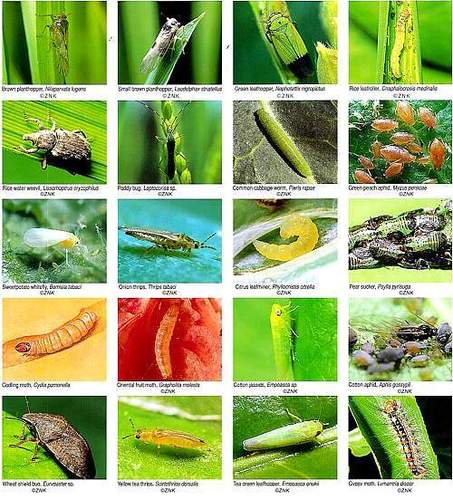
Tell us about your requirement

Price:
Quantity
Select Unit
- 50
- 100
- 200
- 250
- 500
- 1000+
Additional detail
Mobile number
Email

More Products in Insecticides Pesticides Category

Thiamethoxam 12.6% + Lambda Cyhalothrin 9.5% ZC
Place of Origin : India
CAS No : 153719234 (Thiamethoxam), 91465086 (Lambda Cyhalothrin)
Molecular Formula : C8H10ClN5O3S (Thiamethoxam), C23H19ClF3NO3 (Lambda Cyhalothrin)
Product Name : Thiamethoxam 12.6% + Lambda Cyhalothrin 9.5% ZC
Purity(%) : Technical grade as per specification
State : Liquid
Chlormequat Chloride (CCC)
Place of Origin : China
CAS No : 999815
Molecular Formula : C5H13Cl2NO
Product Name : Chlormequat Chloride (CCC)
Purity(%) : 98%
State : Liquid
Indoxacarb
Place of Origin : India
CAS No : 173584446
Molecular Formula : C22H17ClF3N3O7
Product Name : Indoxacarb
Purity(%) : >=95%
State : Powder
Fenazaquin
Place of Origin : India
CAS No : 120928098
Molecular Formula : C20H24O3
Product Name : Fenazaquin
Purity(%) : 95%
State : Powder

Contact Details
JOSHI AGROCHEM PHARMA PRIVATE LIMITED
GST : 27AAFCJ1227Q1Z8
- 813, Topiwala Center, Opp. Railway Station, Goregaon (West), Mumbai - 400062, Maharashtra, India
- Phone :08045802973
 Send Inquiry
- For Chemicals - Solvents :
Mobile. +918097911779
For Pharma - API's :
Mobile. +918655564472
For Agro - Pesticides :
Mobile. +918080701491
For Metals :
Mobile. +919322422799


Developed and Managed by Infocom Network Private Limited.
