
Call: 08045802973
 Send Inquiry
 Send Inquiry
Acephate
Acephate Specification
- Product Name
- Acephate
- EINECS No
- 250-241-2
- Properties
- Systemic insecticide with contact and stomach action
- Moisture (%)
- 0.2
- Appearance
- White Crystalline Solid
- Ph Level
- 5.0-6.0 (1% solution)
- Ash %
- 0.2
- Shape
- Granular or Powder
- Density
- 1.35 Gram per cubic centimeter(g/cm3)
- Color
- White
- Active Ingredient
- Acephate 95% TC
- State
- Powder
- Purity(%)
- 95% Min
- Melting Point
- 88-90C
- Molecular Formula
- C4H10NO3PS
- Grade
- Technical Grade
- Smell
- Slightly Sulfurous
- CAS No
- 30560-19-1
- Water Content Vol%
- 0.5
- Place of Origin
- India
- Usage
- Used for the control of aphids, leaf miners, and other sucking and chewing insects on crops such as cotton, vegetables, and tobacco
- pH (1% Solution)
- 5.0-6.0
- Packaging
- 25 kg fiber drum / 25 kg bag
- Storage Condition
- Store in cool, dry, and well-ventilated area
- Molecular Weight
- 183.17 g/mol
- Boiling Point
- Decomposes before boiling
- Solubility
- Soluble in water and organic solvents
- Toxicity
- Moderately toxic to humans and animals
- Stability
- Stable under normal storage conditions
- Odor Threshold
- Detectable at low levels
- Shelf Life
- 2 years from the date of manufacture
Acephate Trade Information
- Supply Ability
- 1000 Per Month
- Delivery Time
- 7 Days
About Acephate
"JOSHI AGRO & PESTICIDES" offers wide range of INSECTICIDES - PESTICIDES - FUNGISCIDES - WEEDICIDES - HERBICIDES for all Crops. Contract Manufacturer - exporter distributers. All grades available in Technical and Bulk Formulation also in small ready to spray pack.Superior Pest Control Effectiveness
Acephate offers systemic and contact insecticidal action, making it an excellent choice for comprehensive pest management. Its ability to target both sucking and chewing insects ensures crops are well-protected, resulting in higher yields and healthier plants.
Ease of Handling and Application
The products granular and powder forms provide flexibility in application. Its high solubility in water and other solvents allows for seamless mixing and spraying, aiding efficient and uniform pest control across large agricultural areas.
Safe Storage and Extended Shelf Life
Packaged in robust 25 kg drums or bags, Acephate boasts a shelf life of two years when stored under recommended conditions: cool, dry, and well-ventilated areas. Its stability guarantees reliable efficacy upon use, minimizing product loss.
FAQs of Acephate:
Q: How should Acephate be stored to maintain its effectiveness?
A: Acephate should be kept in a cool, dry, and well-ventilated area, away from direct sunlight and moisture. Proper storage in its original packaging helps preserve its stability and efficacy throughout its two-year shelf life.Q: What is the recommended process for mixing and applying Acephate?
A: Due to its high solubility, Acephate can be easily mixed with water or organic solvents to prepare sprays for use. Follow the manufacturers instructions regarding dosage and application methods for optimal results on specific crops.Q: When is the best time to apply Acephate on crops?
A: Apply Acephate at the onset of pest infestation or as soon as the targeted insects are first detected on crops. Early intervention helps maximize its protective benefits and maintain crop health.Q: Where can Acephate be used effectively?
A: Acephate is suitable for use on various crops such as cotton, vegetables, and tobacco. It is commonly employed in agricultural fields, greenhouses, and other crop-growing environments prone to pest outbreaks.Q: What safety precautions should be taken when handling Acephate?
A: As Acephate is moderately toxic to humans and animals, use appropriate protective equipment such as gloves and masks during handling and application. Avoid inhalation and skin contact, and always follow safety guidelines provided by the manufacturer.Q: What are the primary benefits of using Acephate as an insecticide?
A: Acephate provides both systemic and contact action, delivering reliable pest control for aphids, leaf miners, and other insects. Its long shelf life, high water solubility, and efficient pest management contribute to improved crop yields and quality.Q: How does Acephate work to control insect pests?
A: Acephate acts on insects through stomach and contact modes, disrupting their nervous systems upon ingestion or exposure. This action quickly suppresses pest populations and protects crops from further damage.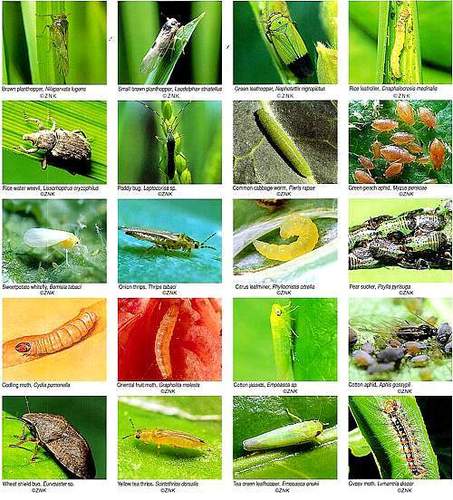
Tell us about your requirement

Price:
Quantity
Select Unit
- 50
- 100
- 200
- 250
- 500
- 1000+
Additional detail
Mobile number
Email

More Products in Insecticides Pesticides Category
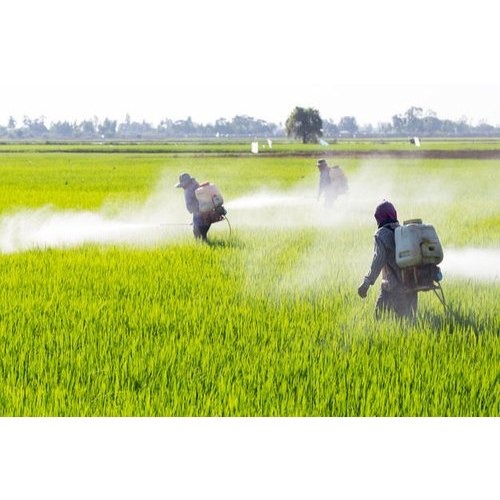
Buprofezin 9% + Acephate 24% WP
Minimum Order Quantity : 25 Kilograms
Product Name : Buprofezin 9% + Acephate 24% WP
Properties : Systemic and contact insecticide with translaminar action
Appearance : other
Ph Level : 6 8 (1% aqueous solution)
Shape : other

Dimethoate 30% EC
Minimum Order Quantity : 25 Kilograms
Product Name : Dimethoate 30% EC
Properties : Emulsifiable concentrate with systemic and contact action
Appearance : other
Ph Level : 4.0 7.0
Shape : other, Liquid Formulation

Matalaxyl 8% + Mancozeb 64% WP
Minimum Order Quantity : 25 Kilograms
Product Name : Matalaxyl 8% + Mancozeb 64% WP
Properties : Systemic and contact fungicidal action, broad spectrum, effective against several fungal diseases
Appearance : other, Greyish yellow freeflowing powder
Ph Level : 6.0 8.0 (1% aqueous suspension)
Shape : other, Fine powder, uniform texture
THRIPS Pesticide Insecticides
Product Name : THRIPS Pesticide Insecticides
Properties : Systemic and contact insecticide effective against thrips
Appearance : other, Clear to light yellow liquid
Ph Level : 6.07.5
Shape : other, Liquid Solution

Contact Details
JOSHI AGROCHEM PHARMA PRIVATE LIMITED
GST : 27AAFCJ1227Q1Z8
- 813, Topiwala Center, Opp. Railway Station, Goregaon (West), Mumbai - 400062, Maharashtra, India
- Phone :08045802973
 Send Inquiry
- For Chemicals - Solvents :
Mobile. +918097911779
For Pharma - API's :
Mobile. +918655564472
For Agro - Pesticides :
Mobile. +918080701491
For Metals :
Mobile. +919322422799


Developed and Managed by Infocom Network Private Limited.
