
Call: 08045802973
 Send Inquiry
 Send Inquiry
Fipronil
Fipronil Specification
- Properties
- Broad-spectrum insecticide, effective against a wide range of pests
- Active Ingredient
- Fipronil
- Color
- White to light yellow
- Purity(%)
- 97.0%
- Molecular Formula
- C12H4Cl2F6N4OS
- Melting Point
- 200-203C
- State
- Solid
- CAS No
- 120068-37-3
- Ash %
- 0.2%
- Ph Level
- 5.0 7.0 (1% solution)
- Moisture (%)
- 0.3%
- Shape
- Powder / Crystalline
- Density
- 1.62 Gram per cubic centimeter(g/cm3)
- Grade
- Technical Grade
- Smell
- Odorless or mild odor
- Place of Origin
- India
- Water Content Vol%
- 0.3%
- Product Name
- Fipronil
- Appearance
- White to light yellow powder
- Application
- Used for the control of insects in agriculture, veterinary and domestic environments
- Storage Conditions
- Store in a cool, dry and well-ventilated area, away from sunlight and moisture
- Solubility
- Insoluble in water, soluble in organic solvents such as acetone, methanol, dichloromethane
- Toxicity
- Low mammalian toxicity, highly toxic to aquatic organisms and bees
- Compatibility
- Compatible with most pesticides, but avoid mixing with strong alkalis
- Packaging
- 25 kg fiber drum or as per customer requirement
- Shelf Life
- 2 years under recommended storage conditions
- Stability
- Stable under normal conditions
Fipronil Trade Information
- Supply Ability
- 1000 Per Month
- Delivery Time
- 7 Days
About Fipronil
JOSHI AGRO & PESTICIDES offers wide range of INSECTICIDES - PESTICIDES - FUNGISCIDES - WEEDICIDES - HERBICIDES for all Crops. Contract Manufacturer - exporter distributers. All grades available in Technical and Bulk Formulation also in small ready to spray pack.Versatile Pest Management
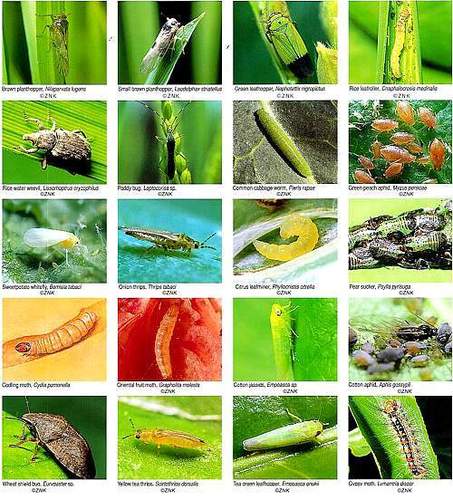
Fipronils broad-spectrum action makes it effective against a wide range of pests. Used across agriculture, veterinary, and domestic settings, it delivers robust control, improving yield and reducing damage to crops and animals. Its formulation ensures ease of integration with most pesticide regimes, provided strong alkalis are avoided.
Product Handling and Storage
Maintaining Fipronils quality requires careful storage in a cool, dry, and well-ventilated area. Keep away from direct sunlight and moisture to preserve its efficacy over the recommended shelf life of 2 years. Packaging can be customized, with fiber drums as the standard option.
Safety and Environmental Considerations
While Fipronil poses low toxicity to mammals, it is extremely hazardous to aquatic organisms and bees. Users must adopt environmental precautions during application, avoiding areas where non-target organisms are present to ensure safety and compliance with regulations.
FAQs of Fipronil:
Q: How should Fipronil be stored to maintain its effectiveness?
A: Fipronil should be kept in a cool, dry, and well-ventilated location, away from sunlight and moisture. Following these storage guidelines will help maintain its stability and ensure a shelf life of up to 2 years.Q: What are the main benefits of using Fipronil in pest control?
A: Fipronil is a broad-spectrum insecticide effective against a variety of pests. It offers reliable control in agriculture, veterinary, and home environments, leading to increased yields, healthier livestock, and cleaner living spaces.Q: When is Fipronil most effective for pest management?
A: Fipronil is most effective when applied as part of an integrated pest management program at the onset or during the early stages of pest infestation, ensuring optimal control before pest populations reach damaging levels.Q: Where can Fipronil be applied?
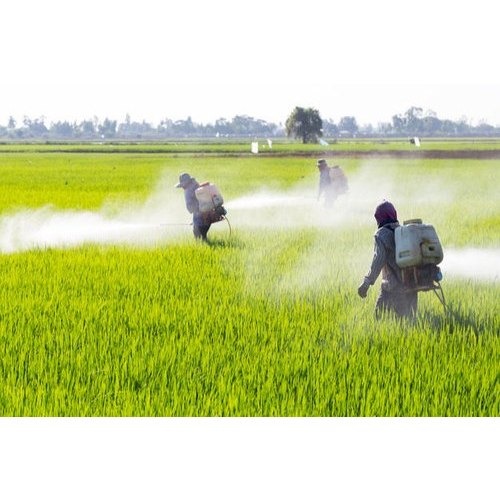
A: Fipronil is used in agricultural fields, livestock areas, and residential environments to manage pests. However, care should be taken to prevent contamination of water sources and areas inhabited by bees and other non-target organisms.Q: What precautions should be observed during the handling and application of Fipronil?
A: Operators should use protective equipment and avoid applying Fipronil near water bodies or bee foraging areas. Always follow label instructions and avoid mixing with strong alkalis to maintain effectiveness and limit risks to non-target species.Q: How does Fipronil interact with other pesticides?
A: Fipronil is generally compatible with most pesticides, facilitating its use in tank mixes or sequential applications. However, it should not be mixed with strong alkaline substances, which can reduce efficacy or cause instability.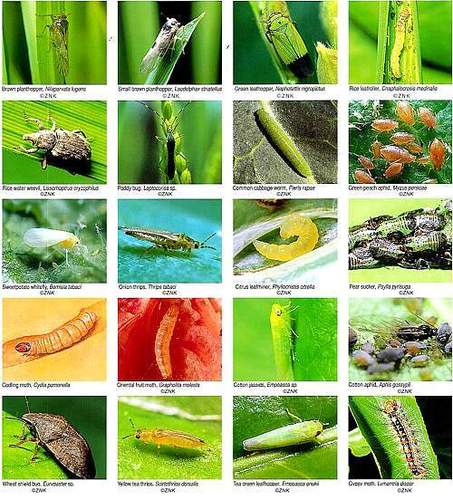
Tell us about your requirement

Price:
Quantity
Select Unit
- 50
- 100
- 200
- 250
- 500
- 1000+
Additional detail
Mobile number
Email

More Products in Insecticides Pesticides Category
Chlorpyriphos 50% EC / 75% WG
Minimum Order Quantity : 25 Kilograms
Grade : AGRICULTURE
Color : Pale yellow (EC), Beige (WG)
Purity(%) : 98% (technical grade)
Molecular Formula : C9H11Cl3NO3PS
State : Other, Liquid (EC) / Granular (WG)

Glufosinate Ammonium 13.5 % SL
Minimum Order Quantity : 25 Kilograms
Grade : Agricultural Grade
Color : Yellowish
Purity(%) : 99% (Technical Content)
Molecular Formula : C5H15N2O4P
State : Liquid
Cinmethylene
Grade : Industrial Grade
Color : White
Purity(%) : 99%
Molecular Formula : C10H10
State : Solid
Edifenphos
Grade : Industrial Grade
Color : Yellowbrown
Purity(%) : 93%
Molecular Formula : C10H11O3PS
State : Liquid

Contact Details
JOSHI AGROCHEM PHARMA PRIVATE LIMITED
GST : 27AAFCJ1227Q1Z8
- 813, Topiwala Center, Opp. Railway Station, Goregaon (West), Mumbai - 400062, Maharashtra, India
- Phone :08045802973
 Send Inquiry
- For Chemicals - Solvents :
Mobile. +918097911779
For Pharma - API's :
Mobile. +918655564472
For Agro - Pesticides :
Mobile. +918080701491
For Metals :
Mobile. +919322422799


Developed and Managed by Infocom Network Private Limited.
