Call: 08045802973
 Send Inquiry
 Send Inquiry
Ethion
Ethion Specification
- Properties
- Low solubility in water, stable under recommended storage conditions.
- Density
- 1.17 Gram per cubic centimeter(g/cm3)
- Active Ingredient
- Ethion
- Melting Point
- 6.8C
- Color
- Yellow to brown
- Moisture (%)
- 0.5%
- Shape
- Liquid
- Molecular Formula
- C9H22O4P2S4
- Ash %
- 0.3%
- Appearance
- Clear to yellow-brown liquid
- State
- Liquid
- Ph Level
- 6-7 (1% w/v in water)
- Smell
- Slight characteristic odor
- Purity(%)
- 95%
- Product Name
- Ethion
- Grade
- Technical Grade
- CAS No
- 563-12-2
- Place of Origin
- India
- EINECS No
- 209-239-4
- Water Content Vol%
- 0.5%
- Specific Gravity
- 1.146 at 20C
- Solubility
- Insoluble in water, soluble in most organic solvents
- Toxicity
- Toxic if swallowed, inhaled, or absorbed through skin
- Vapor Pressure
- 3.8 x 105 mm Hg at 25C
- Boiling Point
- 160C (decomposes)
- Refractive Index
- 1.522 (at 20C)
- Flash Point
- 205C
- Usage/Application
- Agricultural insecticide and acaricide for use on fruits, vegetables, nuts, and other crops
- Stability
- Stable under normal conditions, avoid extreme heat and open flames.
- Packaging Type
- HDPE Drums/Containers
- Shelf Life
- 2 years under proper storage
- Storage Conditions
- Store in a cool, dry, well-ventilated place away from direct sunlight and incompatible substances
Ethion Trade Information
- Supply Ability
- 1000 Per Month
- Delivery Time
- 7 Days
About Ethion
Ethion
JOSHI AGRO & PESTICIDES offers wide range of INSECTICIDES - PESTICIDES - FUNGISCIDES - WEEDICIDES - HERBICIDES for all Crops. Contract Manufacturer - exporter distributers. All grades available in Technical and Bulk Formulation also in small ready to spray pack.
High Efficacy for Crop Protection
Ethion is a powerful insecticide and acaricide, renowned for its effectiveness in managing pests on a vast range of crops, including fruits, vegetables, and nuts. Thanks to its high active ingredient purity and efficient mode of action, farmers and agricultural professionals rely on Ethion to safeguard yields while minimizing pest resistance.
Safe Storage and Long Shelf Life
This product is stable under normal conditions, ensuring it retains potency for up to two years under recommended storage: a cool, dry, well-ventilated place, away from sunlight and sources of ignition. Packaged securely in HDPE drums or containers, Ethion is designed for safe transportation and storage.
Chemical Properties and Compatibility
Ethions physical characteristics, such as low vapor pressure, stability under standard conditions, and near-neutral pH, make it practical for agricultural use. While insoluble in water, it blends well with many organic solvents, offering flexibility in application methods and compatibility with various crop management routines.
FAQs of Ethion:
Q: How should Ethion be correctly applied to crops?
A: Ethion should be diluted according to the manufacturers agricultural guidelines. Apply uniformly on targeted crops using standard spraying equipment, ensuring good coverage while adhering to recommended dosage to achieve optimal pest control and limit environmental exposure.Q: What are the benefits of using Ethion as an insecticide?
A: Ethion effectively controls a broad spectrum of agricultural pests and mites, safeguarding crop yields with consistent results. Its high purity and stability contribute to residual activity and lower the frequency of required applications, making it a valuable asset for growers.Q: When is the optimal time to apply Ethion during the crop cycle?
A: For best results, Ethion should be used at the early signs of pest infestation or as prescribed in integrated pest management plans. Avoid spraying during flowering or times when pollinators are active to minimize unwanted ecological effects.Q: Where should Ethion be stored to maintain its shelf life?
A: Store Ethion in a cool, dry, and well-ventilated area, protected from direct sunlight, heat sources, and incompatible chemicals. Proper storage in HDPE containers extends its shelf life to two years and ensures safety during handling.Q: What safety precautions are necessary when handling Ethion?
A: Always wear appropriate personal protective equipment, including gloves, goggles, and protective clothing. Avoid inhalation, skin contact, and ingestion. In case of accidental exposure, seek immediate medical attention, as Ethion is toxic through multiple routes.Q: How does Ethions chemical nature influence its agricultural application?
A: Ethion is insoluble in water but mixes easily with organic solvents, allowing for versatile formulation and spray techniques. Its stability under normal conditions ensures consistent performance during application and storage, provided environmental extremities are avoided.Q: What is the process for disposing of unused Ethion or containers?
A: Dispose of Ethion and its packaging as hazardous chemical waste, following local environmental regulations. Do not reuse containers or pour unused product into drains or soil to prevent contamination.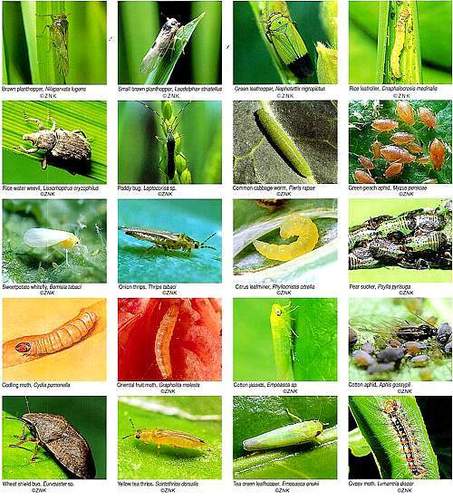
Tell us about your requirement

Price:
Quantity
Select Unit
- 50
- 100
- 200
- 250
- 500
- 1000+
Additional detail
Mobile number
Email

More Products in Insecticides Pesticides Category

Fipronil 4% w/w + Thiamethoxam 4% w/w SC
Minimum Order Quantity : 25 Kilograms
Place of Origin : India
State : Other, Liquid (Suspension Concentrate)
Purity(%) : 98% (active ingredients)
Product Name : Fipronil 4% w/w + Thiamethoxam 4% w/w SC
Grade : agriculture

Transfluthrin 0.08% Aerosol / 0.88% Liquid Vaporiser
Minimum Order Quantity : 25 Kilograms
Place of Origin : India
State : Other, Aerosol (0.08%) / Liquid (0.88%)
Purity(%) : 92%
Product Name : Transfluthrin 0.08% Aerosol / 0.88% Liquid Vaporiser
Grade : Technical / Household Grade

Ethion 40% + Cypermethrin 5% EC
Minimum Order Quantity : 25 Kilograms
Place of Origin : India
State : Liquid
Purity(%) : 9598%
Product Name : Ethion 40% + Cypermethrin 5% EC
Grade : AGRICULTURE GRADE
Clodinofop proparogyl
Place of Origin : China
State : Liquid
Purity(%) : 95%
Product Name : Clodinofop Propargyl
Grade : Technical

Contact Details
JOSHI AGROCHEM PHARMA PRIVATE LIMITED
GST : 27AAFCJ1227Q1Z8
- 813, Topiwala Center, Opp. Railway Station, Goregaon (West), Mumbai - 400062, Maharashtra, India
- Phone :08045802973
 Send Inquiry
- For Chemicals - Solvents :
Mobile. +918097911779
For Pharma - API's :
Mobile. +918655564472
For Agro - Pesticides :
Mobile. +918080701491
For Metals :
Mobile. +919322422799


Developed and Managed by Infocom Network Private Limited.
